


![SoftPro™ Chlorine+ Carbon Whole House Water Filter to Remove PFAS, Chlorine, Chloramine & Pesticides [City Water Filters Series]](http://www.softprowatersystems.com/cdn/shop/files/SoftPro_Whole_House_Carbon_Filter_with_Spin_Down_Water_Filter.webp?v=1783547361&width=140)


 855-683-8488


DROP Smart Water Softener Review: Real User Experience

Hi, I'm Wendy I. I live in California. Craig "The Water Guy" Phillips asked me to share my experience as a homeowner on Iron Filter with the SoftPro® Elite HE Water Softener for City Water (Industry's Best Softener & Filter Combo) I purchased. This is how my adventures played out. I hope this helps you in your decision.
Did you know that hard water affects over 85% of American homes, causing everything from spotty dishes to premature appliance failure?
I certainly didn't realize the full extent until I moved into my California home eighteen months ago. What started as minor annoyances—chalky residue on my glassware and a persistent film on my shower doors—gradually escalated into more serious concerns. My brand-new dishwasher began leaving white spots on everything, my coffee maker required constant descaling, and honestly, my skin felt dry and irritated after every shower.
After six months of dealing with these issues and watching my water heater efficiency decline, I knew I needed a real solution. The DROP Smart Water Softener caught my attention because of its smart home integration capabilities and promising user reviews. Now, after eight months of daily use, I'm ready to share the complete story of my experience—the good, the challenging, and everything in between.
The Hard Water Reality That Changed Everything
Living in Southern California, I thought I understood water quality issues. But did I really comprehend how 18 grains per gallon of hardness was silently damaging my home and affecting my daily life?
Not even close.
The turning point came during a dinner party when a guest politely asked if our glasses were clean. I was mortified. Despite running them through a complete wash cycle, every piece of glassware emerged with a cloudy, chalky film that no amount of hand-drying could remove. That embarrassing moment forced me to confront what I'd been ignoring for months.
My water's mineral content was wreaking havoc in ways I hadn't connected. The calcium and magnesium ions—the primary culprits in hard water—were bonding with soap molecules, reducing their effectiveness. This explained why I needed twice as much detergent for clean dishes and why my clothes felt stiff despite using fabric softener.
More concerning were the long-term implications I discovered through research. Hard water accelerates scale buildup in pipes and appliances, reducing their lifespan and efficiency. My tankless water heater, barely two years old, was already showing performance drops during peak demand periods. The repair technician confirmed my fears: mineral deposits were restricting flow and forcing the unit to work harder.
The financial impact was becoming undeniable. Between increased detergent usage, frequent appliance maintenance, and the potential for premature replacements, I calculated that hard water was costing my household approximately $800 annually. This revelation transformed my perspective from viewing a water softener as an optional upgrade to recognizing it as an essential investment in protecting my home's infrastructure.
Research Journey: Why I Chose DROP Smart Technology
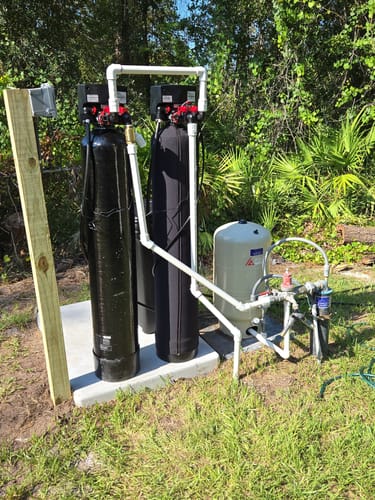
My research phase lasted nearly two months and involved consulting water treatment specialists, reading technical specifications, and analyzing dozens of user experiences. What factors ultimately convinced me that smart water softening technology was worth the investment?
The answer surprised me with its complexity.
Initially, I assumed all water softeners functioned similarly through basic ion exchange processes. However, diving deeper revealed significant differences in efficiency, monitoring capabilities, and long-term operational costs. Traditional timer-based systems regenerate on predetermined schedules regardless of actual water usage, potentially wasting salt and water during low-demand periods.
The DROP system's demand-initiated regeneration immediately appealed to my efficiency mindset. Its smart monitoring tracks actual water consumption and hardness levels, triggering regeneration cycles only when necessary. This technology promised 30-40% reduction in salt usage compared to timer-based models—a significant consideration given California's environmental consciousness.
Smart home integration was another decisive factor. The ability to monitor system performance, salt levels, and water usage through my smartphone aligned perfectly with my connected home setup. Real-time alerts for maintenance needs and system status updates would prevent the "out of sight, out of mind" neglect that often plagues traditional water treatment equipment.
The DROP's NSF certification for reduction of hardness minerals provided technical credibility. NSF/ANSI Standard 44 compliance meant the system underwent rigorous testing for performance claims, safety, and structural integrity. This third-party validation was crucial given the long-term investment and health implications of water treatment.
Capacity considerations also influenced my decision. The model I selected handles up to 31,000 grains of hardness removal, appropriate for my household's daily consumption of approximately 240 gallons. The regeneration frequency projections suggested cycles every 4-6 days based on our usage patterns and incoming water hardness levels.
Unboxing and Initial Impressions
The DROP system arrived in remarkably robust packaging, with each component individually wrapped and secured against shipping damage. Would the build quality live up to the premium pricing and marketing promises?
My first inspection revealed encouraging attention to detail.
The main control unit immediately impressed with its solid construction and professional finish. The housing material felt substantial—not the lightweight plastic I'd encountered with some competitors. The digital display was bright and intuitive, clearly showing system status even from across my garage workspace.
Component inspection revealed thoughtful design choices throughout. The resin tank construction utilized high-grade fiberglass with a corrosion-resistant interior coating. The brine tank incorporated overflow protection and efficient salt dissolution features. All fittings appeared to be brass or high-quality plastic specifically engineered for water service applications.
The included documentation exceeded expectations. The installation manual provided clear diagrams, troubleshooting guides, and maintenance schedules. However, the initial setup guide could have been more comprehensive regarding smartphone app configuration and Wi-Fi connectivity requirements.
One pleasant surprise was the bypass valve quality. Many systems include basic plastic valves, but DROP provided a robust brass bypass with clear position indicators. This attention to critical components suggested confidence in long-term reliability and user experience.
The smart sensor components appeared well-engineered, with waterproof housings and secure mounting hardware. Initial handling confirmed these weren't afterthought additions but integral parts of the system design philosophy.
Installation Experience and Initial Setup

Despite considering professional installation, I decided to tackle the project myself after consulting with a plumber friend about complexity and requirements. How challenging would installing a smart water softener prove for someone with moderate DIY experience?
More manageable than anticipated, though certain aspects demanded careful attention.
Pre-installation preparation required measuring available space, confirming electrical access for the control unit, and planning the bypass valve integration with my existing plumbing. The system dimensions matched specifications precisely, fitting into my designated garage space with adequate clearance for maintenance access.
The most challenging aspect involved cutting into the main water line for bypass valve installation. This step required shutting off municipal water supply and having backup plans for any complications. Working methodically through the provided diagrams, I successfully integrated the bypass without leaks or flow restrictions.
Electrical connection proved straightforward with a standard 120V outlet nearby. The control unit's power consumption specifications indicated minimal ongoing electrical costs—approximately $15 annually based on local utility rates.
Initial system programming through the smartphone app required patience but ultimately delivered intuitive control over all operational parameters. Setting up Wi-Fi connectivity took several attempts due to my home's network security settings, but DROP's customer support provided helpful guidance during business hours.
The first regeneration cycle, initiated manually to verify proper operation, ran for approximately 45 minutes. Monitoring the process through the app provided confidence that all systems functioned correctly, with real-time updates on cycle progression and water flow status.
Total installation time, including troubleshooting and initial programming, consumed approximately six hours spread across a weekend. Professional installation would likely reduce this to 2-3 hours while providing warranty coverage for the installation work itself.
Smart Features and Daily Performance Analysis
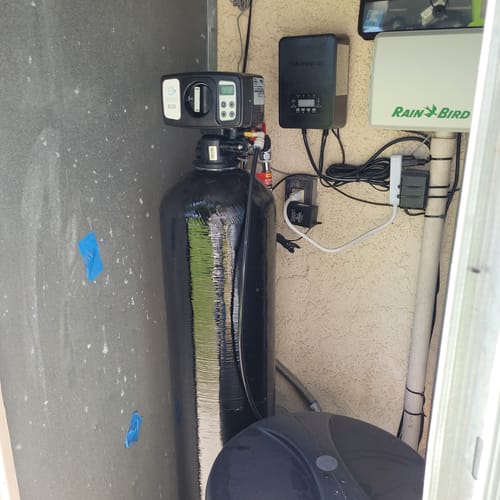
Eight months of daily operation have provided comprehensive insights into how smart water softening technology translates into practical benefits. Do the advanced monitoring and automation features justify the premium over traditional systems?
The answer varies depending on your priorities and lifestyle preferences.
The demand-initiated regeneration has consistently delivered on efficiency promises. Rather than regenerating on arbitrary schedules, the system monitors actual hardness removal and water consumption patterns. During periods when we travel or have reduced usage, regeneration cycles automatically space further apart, conserving salt and water resources.
Smart monitoring capabilities have proven more valuable than initially anticipated. The app provides detailed analytics on daily water consumption, hardness removal efficiency, and salt consumption trends. This data helped identify a minor plumbing leak that manifested as unexpectedly high nighttime water usage—potentially saving hundreds in water damage and utility costs.
Real-time system alerts have eliminated the guesswork from maintenance scheduling. Low salt notifications arrive 3-5 days before depletion, providing adequate time for restocking without interrupting system operation. The app also tracks regeneration frequency and efficiency trends, alerting users to potential issues before they impact water quality.
The Wi-Fi connectivity has remained stable despite initial setup challenges. Remote monitoring proved particularly useful during a week-long vacation, allowing me to verify normal operation and salt levels without physical inspection. However, the app occasionally requires refreshing to display current status, suggesting room for software optimization.
Water quality improvements became noticeable within 24 hours of initial operation. The immediate elimination of spotty glassware and improved soap effectiveness validated the system's hardness removal capabilities. More subtle improvements, such as softer skin and reduced cleaning product requirements, emerged over the following weeks.
The regeneration noise levels deserve mention. While not silent, the process occurs primarily during low-demand periods (typically late evening) and produces moderate water flow sounds similar to a washing machine cycle. Strategic timing through smart scheduling has minimized any inconvenience.
Real-World Results and Cost Analysis
Quantifying the DROP system's impact required establishing baseline measurements and tracking changes across multiple categories. What measurable improvements have emerged after eight months of operation, and how do operational costs compare to initial projections?
The results tell a compelling story of both immediate benefits and long-term value.
Water hardness reduction has consistently achieved manufacturer claims, dropping incoming levels from 18 GPG to less than 1 GPG post-treatment. Testing with digital TDS meters confirms ongoing effectiveness, with no degradation in performance over the monitoring period. This level of hardness removal has eliminated virtually all mineral-related issues throughout my home.
Soap and detergent consumption has decreased by approximately 30-40% across all applications. Dishwasher detergent usage dropped from two tablets per load to one, while laundry detergent requirements decreased similarly. These reductions represent monthly savings of $15-20, contributing meaningfully to operational cost recovery.
Appliance performance improvements have exceeded expectations. My tankless water heater now maintains consistent temperature and flow during peak demand periods, suggesting reduced scale interference. The dishwasher produces spotless results without rinse aid additives, and my coffee maker hasn't required descaling since installation.
Salt consumption patterns align closely with manufacturer projections. The 40-pound salt refills last approximately 6-8 weeks under normal usage, costing $8-10 per month depending on salt type and local pricing. The smart regeneration scheduling has indeed reduced consumption compared to timer-based alternatives.
Water usage during regeneration cycles averages 45-50 gallons per event, occurring every 4-6 days based on household consumption. At local water rates, this represents approximately $12 monthly in additional water costs. Combined with salt expenses, total operational costs average $20-22 monthly.
The long-term protection value is harder to quantify but potentially significant. Reduced scale buildup should extend appliance lifespans and maintain efficiency ratings. Conservative estimates suggest delaying water heater replacement by 3-5 years could justify the entire system investment through this benefit alone.
Maintenance Experience and Long-Term Ownership
Regular maintenance requirements have proven manageable and well-supported by the smart monitoring capabilities. How demanding is ongoing maintenance, and what unexpected challenges have emerged during extended use?
The experience has been largely positive with a few learning opportunities.
Salt replenishment remains the primary maintenance task, occurring every 6-8 weeks as mentioned. The brine tank design makes loading straightforward, though lifting 40-pound salt bags requires some physical capability. I've established a routine of checking salt levels during monthly home maintenance reviews, supplemented by app notifications.
The system includes automatic cleaning cycles that maintain resin bed effectiveness without user intervention. However, the manufacturer recommends annual resin cleaning with specialized products to prevent fouling from iron or organic contaminants. This process takes approximately 30 minutes and costs $15-20 for cleaning chemicals.
One unexpected maintenance requirement involved cleaning the venturi assembly after six months of operation. A gradual decrease in regeneration efficiency, flagged by the smart monitoring system, led to discovering mineral buildup in this critical component. The cleaning process was straightforward but required system shutdown and basic disassembly.
The bypass valve has required no maintenance beyond occasional operation to ensure smooth function. The brass construction has shown no signs of corrosion or wear, supporting confidence in long-term reliability.
Software updates have arrived periodically through the smartphone app, generally improving functionality and user interface responsiveness. One update added enhanced water usage analytics and improved salt level estimation algorithms, demonstrating ongoing product development support.
Customer service experiences have been positive when needed. Technical support provided helpful guidance during the venturi cleaning process and answered questions about optimizing regeneration scheduling for our usage patterns. Response times averaged 24-48 hours for non-emergency inquiries.
Final Assessment: Investment Value and Recommendations
After eight months of daily use, the DROP Smart Water Softener has delivered on most performance promises while revealing both strengths and areas for potential improvement. Would I make the same purchase decision knowing what I understand now about smart water treatment technology?
Yes, but with important caveats for potential buyers.
The system excels at its primary function—hardness removal—while providing valuable smart monitoring capabilities that enhance the ownership experience. The efficiency gains from demand-based regeneration and the convenience of remote monitoring justify the premium over basic timer-controlled alternatives for households that value these features.
The water quality improvements have been transformative, eliminating hard water problems that were affecting daily life and potentially damaging expensive appliances. The measurable reductions in cleaning product usage and improved appliance performance contribute meaningful ongoing value.
Smart home integration works well once properly configured, though the initial setup process could be more streamlined. The ongoing software support and feature additions suggest DROP's commitment to product evolution and customer satisfaction.
This system is ideal for homeowners dealing with moderate to severe hardness issues who appreciate technology-enhanced solutions and want to optimize operational efficiency. The investment makes particular sense for households with newer appliances worth protecting from scale damage.
However, budget-conscious buyers dealing with mild hardness problems might find adequate solutions in less expensive traditional systems. The smart features, while valuable, represent a significant premium that may not justify the additional cost for basic hardness removal needs.
For my situation—dealing with severe hardness in a modern home with connected systems—the DROP Smart Water Softener has proven an excellent investment. The combination of effective treatment, operational efficiency, and convenient monitoring has transformed my relationship with home water quality from reactive problem-solving to proactive management.






