


![SoftPro™ Chlorine+ Carbon Whole House Water Filter to Remove PFAS, Chlorine, Chloramine & Pesticides [City Water Filters Series]](http://www.softprowatersystems.com/cdn/shop/files/SoftPro_Whole_House_Carbon_Filter_with_Spin_Down_Water_Filter.webp?v=1783547361&width=140)


 855-683-8488


How Iron Water Destroys Dishwashers, Water Heaters, and Washing Machines

Iron water wreaks havoc on your appliances by clogging dishwasher spray arms, corroding washing machine components, and coating water heater tanks with insulating sediment. Even at just 0.3 mg/L, iron accelerates wear, drives up energy bills by 10-30%, and quietly shaves years off your appliances' lifespans. What starts as a faint orange stain can quietly snowball into thousands of dollars in damage — and we're here to show you exactly how it happens and how to stop it.
Key Takeaways
- Iron levels above 0.3 mg/L accelerate corrosion and wear on dishwashers, washing machines, and water heaters, significantly shortening their lifespan.
- Clogged spray arms from iron buildup cause dishwashers to clean poorly, requiring extra wash cycles and increasing energy consumption.
- Iron sediment insulates water heater tanks, reducing efficiency and cutting their lifespan by 3-5 years.
- Washing machines develop orange stains on laundry and suffer corroded internal components from prolonged iron water exposure.
- Iron interference forces all affected appliances to work harder, raising energy bills by 10-30%.
How Iron Gets Into Your Water Supply

Iron naturally dissolves from rocks and minerals in the Earth's crust, making its way into our water supply through groundwater movement.
Iron silently leaches from the Earth's crust, infiltrating groundwater and quietly corrupting your home's water supply.
As water filters through iron-bearing geological formations, it picks up dissolved iron concentrations that vary greatly depending on your local geology.
If you're on a private well, you're especially vulnerable. Groundwater tends to accumulate higher iron concentrations than municipal supplies, leaving you exposed to levels that can wreak havoc on your home's appliances.
Iron appears in two forms: ferrous iron, which is colorless and dissolved, and ferric iron, the oxidized rust we can actually see.
Once concentrations exceed 0.3 mg/L, water becomes objectionable.
Push past 2.5 mg/L, and your appliances start paying a serious price.
What Iron Water Does to Your Dishwasher, Washing Machine, and Water Heater
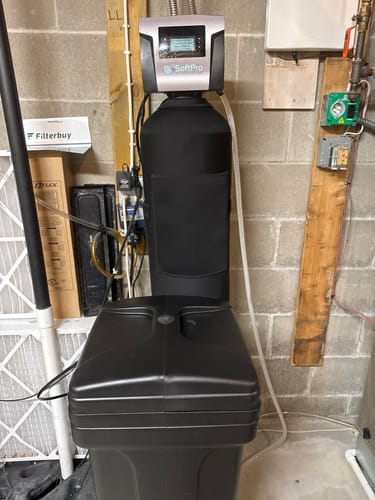
Once iron finds its way into your water supply, it doesn't just sit there quietly — it goes to work on your appliances. Here's what's happening behind the scenes:
- Dishwashers develop clogged spray arms, leaving dishes dirty and demanding extra cycles.
- Washing machines deposit orange, reddish stains on laundry while corroding internal components.
- Water heaters accumulate insulating sediment on heating elements, shrinking their lifespan by 3-5 years.
- All three appliances consume 10-30% more energy fighting iron's interference.
Iron levels above 0.3 mg/L accelerate component wear across every appliance it touches.
We're not talking minor inconveniences — we're talking premature replacements and inflated energy bills. Understanding this damage is the first step toward protecting your investment.
What Iron Water Damage Actually Costs You in Repairs and Energy Bills
The real damage iron water does isn't just rust stains and grimy dishes — it's the slow financial bleed most homeowners never see coming.
Energy bills quietly climb 15–30% as appliances strain against rust buildup and internal corrosion. Your water heater loses 3–5 years off its lifespan from iron sediment accumulation alone. Skip regular maintenance, and you're looking at thousands in repair costs over a decade.
Dishwashers and washing machines? Expect repair or replacement bills exceeding $500 per appliance once iron damage sets in.
And once iron levels cross 0.3 mg/L, you're also buying extra cleaning products and watching your plumbing infrastructure wear down faster. These costs stack quietly — until suddenly, they're impossible to ignore.
Orange Stains, Slow Flow, and Other Signs Your Appliances Have an Iron Problem
Most of us don't notice iron water damage until it's already cost us money — but your appliances have been sending warning signals the whole time.
Learn to read them:
- Orange or rust-colored stains on dishes and laundry signal iron concentrations exceeding 0.3 mg/L — your appliances are already under stress.
- Sluggish water flow from faucets and showerheads means rust deposits are actively choking your pipes and killing pressure.
- Inconsistent dishwasher cleaning indicates clogged spray arms forcing you to burn through extra detergent.
- Premature corrosion inside water heaters and dishwashers quietly shaves 3-5 years off their lifespan.
These aren't minor inconveniences — they're your home's early warning system.
Catching these signs now means avoiding the costly repairs we covered previously.
How to Protect Your Appliances From Iron Water Damage
Catching those warning signs early puts us in a powerful position — now we can actually do something about them.
Start at the source by installing an iron removal system at your main water line, stopping contamination before it ever reaches your appliances. Test your water regularly — once iron exceeds 0.3 mg/L, it's time to act.
Apply phosphate-based treatments to create a protective barrier on metal surfaces, blocking iron's corrosive effects from the inside out. Schedule quarterly appliance inspections to catch buildup before it escalates.
Don't skip flushing your water heater, either — this simple habit alone can extend appliance lifespan by three to five years, saving significant money on repairs and replacements.
Protection is always cheaper than replacement.
Frequently Asked Questions
What Is the Cheapest Way to Remove Iron From Well Water?
We've found the cheapest fix is DIY aeration paired with a basic sediment filter—it converts ferrous iron into filterable ferric iron. Test your water first; kits start low, ensuring you're targeting your specific iron levels effectively.
Is Iron in Water Bad for Appliances?
Yes, iron in water destroys your appliances. We've seen iron levels above 0.3 mg/L clog pipes, damage heating elements, and increase energy consumption by 20%, ultimately shortening your dishwasher's, water heater's, and washing machine's lifespan considerably.
Will Boiling Water Get Rid of Iron?
Boiling won't remove iron from your water. It only converts ferrous iron into ferric iron, which stays suspended until filtered. To truly eliminate iron, we'll need a specialized filtration system designed for that purpose.
Will a Water Softener Remove Iron From Your Water?
Yes, a water softener can remove low to moderate iron levels (up to 3 mg/L). We recommend pairing it with additional filtration for higher concentrations, ensuring your appliances stay protected and running efficiently.






