


![SoftPro™ Chlorine+ Carbon Whole House Water Filter to Remove PFAS, Chlorine, Chloramine & Pesticides [City Water Filters Series]](http://www.softprowatersystems.com/cdn/shop/files/SoftPro_Whole_House_Carbon_Filter_with_Spin_Down_Water_Filter.webp?v=1783547361&width=140)


 855-683-8488


Iron Filter Experience: Real Customer Results & Performance
Hi, I'm [customer_name]. I live in [customer_location].
Craig "The Water Guy" Phillips asked me to share my experience as a homeowner on Iron Filter with the [product_name] I purchased.
This is how my adventures played out. I hope this helps you in your decision.
Did you know that iron contamination affects over 15 million households across America?
I certainly didn't realize the extent of my problem until those telltale orange stains started appearing everywhere. What began as minor discoloration in my bathroom fixtures quickly escalated into a frustrating daily battle against rusty water that was affecting everything from my morning coffee to my family's laundry.
Living in a rural area with well water, I thought occasional discoloration was just part of the territory. Boy, was I wrong. The iron levels in my water were silently wreaking havoc on my home's plumbing system, appliances, and our quality of life. After eighteen months of living with an advanced iron filtration system, I'm here to share the real story – the good, the challenging, and everything in between.
This isn't your typical product review filled with technical jargon and sales pitches. Instead, I'll walk you through my genuine experience as a homeowner who was desperate for a solution and found one that actually works. From the initial research phase through daily operation, maintenance routines, and long-term performance, you'll get the complete picture of what it's really like to own and operate an iron filter system.
The Iron Problem That Changed Everything
My iron water issues didn't happen overnight – they crept up gradually, like most well water problems do. At first, I noticed faint orange tints in my bathroom sinks after the water sat for a while. I'd run the tap for thirty seconds, and it would clear up, so I convinced myself it wasn't a big deal.
Then came the laundry disasters. My white shirts started developing mysterious yellow-orange stains that wouldn't come out, no matter what detergent or bleach I used. My wife's favorite light-colored blouses were ruined, and our kids' school uniforms looked perpetually dingy. We were spending a fortune on stain removers and replacing clothing that should have lasted years.
But the real wake-up call came when our dishwasher started leaving orange spots on our glassware.
Every single glass, plate, and piece of silverware emerged from what should have been a cleaning cycle with rusty-looking deposits. Our morning coffee routine became an exercise in frustration as we'd rinse every mug before use, only to taste that distinct metallic flavor that iron-laden water produces.
I decided to test our water using an at-home kit I picked up from the hardware store. The results were alarming: 4.2 parts per million of iron, well above the EPA's secondary standard of 0.3 ppm. No wonder we were dealing with constant staining and that awful taste. Our well water was essentially delivering liquid rust throughout our home.
The iron wasn't just an aesthetic problem – it was affecting our daily lives in ways I hadn't fully appreciated. Showers left orange rings around the tub that required daily scrubbing. Our toilet bowls developed persistent stains that made our bathrooms look unsanitary no matter how much we cleaned. Even our kitchen sink's white porcelain was taking on a permanent orange tint.
The financial impact was adding up quickly.
Between replacing stained clothing, buying specialized cleaning products, and the extra water usage from constantly re-washing items, we were easily spending an additional $150-200 monthly on iron-related problems. Our water heater was also showing signs of sediment buildup, and I worried about premature appliance failure.
Research Phase: Learning About Iron Filtration
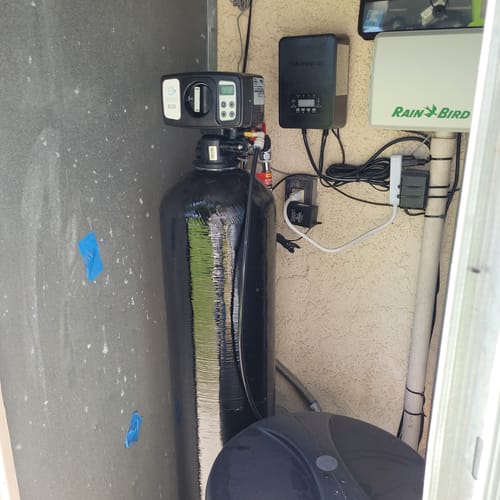
Once I acknowledged we had a serious iron problem, I dove headfirst into research mode. I spent weeks learning about different iron filtration technologies, capacity requirements, and installation considerations. The learning curve was steeper than I anticipated – iron filtration involves much more science than I initially realized.
I discovered that our iron was primarily ferrous iron (dissolved iron), which is invisible when it first comes out of the tap but oxidizes quickly when exposed to air, creating those orange stains. This type of iron requires oxidation followed by filtration, unlike ferric iron (already oxidized) which can be filtered directly.
The technology research revealed several viable approaches.
Air injection systems use compressed air to oxidize iron before filtering it out through specialized media. Chemical feed systems use chlorine or hydrogen peroxide for oxidation. Catalytic media filters combine oxidation and filtration in a single tank. Each approach had distinct advantages and operational requirements.
Sizing the system properly was crucial. With four family members and typical household water usage of approximately 250 gallons daily, I needed a system capable of handling peak flow rates of 8-10 gallons per minute while maintaining adequate contact time for complete iron oxidation. Undersized systems would allow iron breakthrough during high-demand periods.
I also learned about backwashing requirements, media replacement schedules, and ongoing operational costs. Iron filtration systems require regular backwashing to remove accumulated iron particles and prevent media fouling. The frequency depends on iron levels, water usage, and system design – typically ranging from daily to weekly cycles.
Certification and testing standards became important selection criteria.
I looked for systems certified by NSF International or the Water Quality Association for iron reduction performance. These certifications provide independent verification that systems actually perform as advertised under controlled testing conditions.
After comparing air injection, chemical feed, and catalytic media approaches, I decided on an air injection system. The technology made sense for our situation – it adds no chemicals to our water, requires minimal ongoing maintenance, and handles our iron levels effectively. The oxidation process occurs naturally using compressed air, followed by filtration through specialized media designed for iron removal.
Installation Experience and First Impressions
The system arrived via freight delivery on a Tuesday morning, packaged securely on a wooden pallet. The main tank was impressively substantial – a 12-inch diameter fiberglass vessel standing nearly 5 feet tall, weighing approximately 180 pounds when filled with media. The build quality immediately impressed me, with thick tank walls and professional-grade fittings throughout.
I opted for professional installation after reviewing the plumbing requirements. The system needed integration with our existing well pump, pressure tank, and distribution plumbing. Installation required cutting into the main water line, installing bypass valves, and connecting electrical controls – definitely beyond my DIY comfort zone.
The installation team arrived promptly at 8 AM and worked efficiently throughout the day.
They installed the system in our basement utility room, positioning it between the pressure tank and water distribution lines. The air injection head required 110V electrical connection and integration with our existing pressure switch to ensure proper operation timing.
Installation took approximately 6 hours from start to finish, including system startup and initial programming. The technicians explained the control settings, backwash cycle timing, and basic maintenance requirements. They also tested the air injection operation and verified proper pressure readings throughout the system.
The first thing I noticed was how quiet the system operated.
During normal water usage, the only sound was a gentle whoosh of air injection when the pressure switch activated. The air compressor was surprisingly quiet – much less noise than our existing pressure tank pump cycles.
Initial water testing showed immediate improvement. Clear, colorless water flowed from every tap, and the metallic taste was completely gone. I filled a white porcelain bowl and let it sit for several hours – no orange discoloration appeared, confirming that the oxidation and filtration process was working effectively.
The control panel displayed clear operating status indicators, including air pressure, backwash timing, and system operating hours. Everything felt professionally engineered rather than cobbled together, giving me confidence in the long-term reliability.
Performance Results and Water Quality Improvements

The transformation in our water quality was dramatic and immediate. Within 24 hours of system startup, we were enjoying crystal-clear water from every tap in our home. I conducted follow-up testing one week after installation, and our iron levels had dropped from 4.2 ppm to less than 0.1 ppm – well below the EPA's recommended secondary standard.
The taste improvement was remarkable.
Our morning coffee finally tasted like coffee instead of metallic liquid. My wife noticed the difference immediately, commenting that she could actually taste the subtle flavors in her tea again. Even our kids mentioned that the water tasted "normal" – high praise from teenagers who notice everything.
Laundry results exceeded my expectations. We re-washed several stained items that had been sitting in our laundry room, and most of the iron staining came out completely. New laundry emerged from the washing machine looking genuinely clean, and white items stayed white after multiple wash cycles. We eliminated the need for special iron-fighting detergents and stain removers.
Our dishwasher performance improved dramatically.
Glassware emerged spot-free and crystal clear, even without rinse aid. Silverware regained its original luster, and our dishes looked restaurant-clean. We could finally use our good china without worrying about orange staining ruining special occasions.
Bathroom cleaning became significantly easier. The persistent orange rings around our bathtub and toilet bowls disappeared within two weeks of continuous use with treated water. Weekly cleaning now maintains genuinely clean fixtures instead of fighting constant iron staining. Our white bathroom fixtures look white again.
I documented water quality improvements through regular testing.
Monthly iron tests consistently showed levels below 0.1 ppm, and annual testing confirmed no breakthrough or media degradation. pH levels remained stable, and no new water quality issues emerged from the treatment process.
The system handled peak demand periods without performance degradation. During heavy usage periods – simultaneous showers, dishwasher, and washing machine operation – iron removal efficiency remained consistent. No breakthrough occurred even during our highest consumption days.
After eighteen months of operation, I can confidently say the system has exceeded my performance expectations. Every aspect of our water quality improved, and the iron problem that once dominated our household maintenance routines has been completely eliminated.
Daily Operation and Maintenance Reality
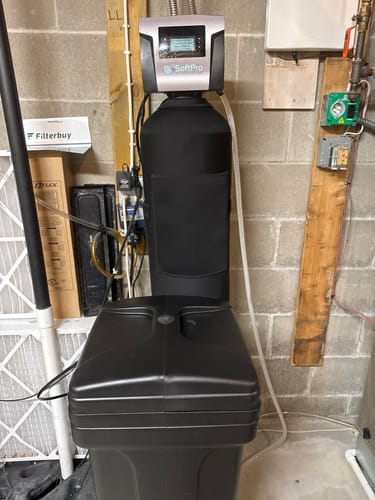
Living with an iron filter system has proven remarkably straightforward. The automatic operation requires no daily intervention – the system cycles through air injection, filtration, and periodic backwashing without any input from me. The control system manages everything based on water usage patterns and programmed maintenance schedules.
Backwashing occurs automatically every three days based on our water usage patterns.
The process takes approximately 12 minutes and consumes about 150 gallons of water. I scheduled backwashing for 2 AM to avoid any inconvenience, though the system operates quietly enough that we rarely notice the cycle even during daytime operation.
Monthly maintenance involves checking air pressure levels and inspecting the system for any obvious issues. The air pressure gauge should read between 15-20 psi during operation, and I've found it holds steady without adjustment. The control panel displays any error codes or maintenance alerts, though I've encountered none during eighteen months of operation.
The media bed requires no regular replacement but needs occasional inspection.
I check the media level annually through the tank opening, and after eighteen months, the media bed remains at proper levels with no visible degradation. The manufacturer estimates 8-10 years of media life under our operating conditions, representing excellent long-term value.
Seasonal variations haven't significantly impacted operation. Our well water iron levels remain relatively consistent year-round, so the system maintains steady performance regardless of weather or seasonal groundwater changes. Winter operation has been completely reliable, with no freezing or cold-weather issues in our heated basement location.
Power outages don't create operational problems.
When power returns, the system automatically resumes normal operation. The control panel retains programming settings, so no reprogramming is required after outages. This reliability has been important during our area's occasional storm-related power interruptions.
Water consumption for backwashing initially concerned me, but 150 gallons every three days represents a small fraction of our total household usage. The backwash water isn't wasted – I've redirected the discharge line to irrigate landscaping areas that benefit from the additional water.
Costs and Long-Term Value Analysis
The total investment for our iron filtration system was $2,400, including equipment, professional installation, and initial startup. While this seemed substantial initially, the cost analysis becomes favorable when compared to ongoing iron-related expenses and potential appliance damage prevention.
Monthly operating costs average approximately $15-20.
This includes electricity for the air compressor and control system, plus water costs for backwashing cycles. The system draws about 2-3 kWh monthly for normal operation, adding roughly $8-12 to our electric bill depending on seasonal rate variations.
We've eliminated numerous iron-related expenses that were costing us $150-200 monthly. No more specialty detergents, stain removers, or replacement clothing due to iron staining. Our cleaning supply costs dropped significantly since we no longer need harsh chemicals to combat iron stains throughout our home.
Appliance protection represents significant long-term value.
Our water heater, dishwasher, and washing machine now operate with clean water, extending their operational life and improving efficiency. Iron buildup was beginning to affect our water heater elements, potentially requiring premature replacement within 2-3 years.
The payback period calculates to approximately 15-18 months based on eliminated expenses and avoided appliance damage. After eighteen months of operation, we're already seeing positive return on investment, with many years of continued benefits ahead.
Maintenance costs remain minimal.
No consumable filters require replacement, and the media bed should last 8-10 years under normal conditions. Annual professional inspection costs about $150, though this is optional since the system operates reliably without regular service calls.
Property value considerations also factor into the cost analysis. Iron water problems negatively impact home values, particularly in rural areas where well water is common. A professionally installed iron filtration system addresses this concern and potentially adds value during future resale considerations.
Comparing costs to alternative solutions – like bottled water consumption or ongoing iron-related expenses – the filtration system provides superior value over any reasonable timeframe. The convenience and quality of life improvements justify the investment beyond pure financial calculations.
Honest Drawbacks and Limitations
Despite my overall satisfaction with the iron filtration system, several limitations and minor frustrations have emerged during eighteen months of ownership. These aren't deal-breakers, but potential buyers should understand the complete picture before making their decision.
The system requires significant installation space.
The main tank and associated plumbing consume a substantial footprint in our utility room. Homes with limited basement space or cramped utility areas might struggle to accommodate the equipment properly. The 5-foot tank height also requires adequate ceiling clearance for maintenance access.
Backwashing noise, while generally quiet, can be noticeable during nighttime hours when ambient sound levels are low. I've occasionally been awakened by the backwash cycle, particularly when the discharge line experiences pressure fluctuations. Scheduling backwashing during daytime hours resolves this issue but requires coordinating with household water usage patterns.
Power dependency means no water treatment during outages.
While we rarely experience extended power loss, the system cannot operate without electricity for the air compressor and control systems. During outages exceeding several hours, untreated well water enters our distribution system, temporarily reintroducing iron-related issues.
The initial learning curve involved understanding optimal settings for our specific water conditions and usage patterns. Default programming worked adequately, but fine-tuning backwash frequency and air injection timing required several weeks of observation and minor adjustments.
Installation costs were higher than anticipated.
While I budgeted for professional installation, additional plumbing modifications and electrical work added approximately $400 to the initial quote. Older homes or non-standard plumbing configurations may require additional installation complexity and expense.
Seasonal water testing revealed minor iron level variations that occasionally approach the system's designed capacity. During late summer when our well water shows slightly elevated iron levels, I've noticed very faint discoloration after several hours of water sitting in white containers – still far superior to untreated water, but not quite the consistent perfection of other seasons.
Long-term media replacement will eventually require professional service.
While media life is rated at 8-10 years, replacement involves handling several hundred pounds of filtration media and requires specialized knowledge. This future maintenance cost of approximately $800-1000 should be factored into long-term ownership planning.
Final Verdict and Recommendations
After eighteen months of daily operation, I can confidently recommend this iron filtration approach to homeowners facing similar water quality challenges. The system has exceeded my performance expectations while proving reliable, efficient, and remarkably low-maintenance in real-world conditions.
The transformation in our quality of life has been substantial.
We no longer think about iron staining when doing laundry, cleaning bathrooms, or preparing beverages. Our home feels cleaner, our appliances operate more efficiently, and we've eliminated the constant frustration of fighting iron-related problems throughout our daily routines.
This system is ideal for households with iron levels between 1-8 ppm who want a chemical-free treatment approach. Families tired of iron staining, appliance damage, and poor water taste will appreciate the comprehensive solution this technology provides. The automatic operation appeals to busy homeowners who prefer set-and-forget convenience.
However, this isn't the right solution for everyone.
Homes with extremely high iron levels (above 10 ppm) might need additional treatment steps or alternative technologies. Households with space constraints, limited electrical service, or minimal iron problems might find simpler solutions more appropriate.
Budget-conscious buyers should consider the total cost of ownership, including installation, operation, and eventual media replacement. While the initial investment is substantial, the long-term value proposition is strong for households with significant iron contamination issues.
Looking ahead, I would absolutely make this purchase decision again.
The system has solved our iron problems completely while requiring minimal ongoing attention. Our investment has paid for itself through eliminated iron-related expenses, and we're enjoying the benefits daily.
If you're dealing with iron water problems and researching treatment options, I encourage you to seriously consider this air injection approach. The technology is proven, the results are excellent, and the long-term reliability gives me confidence in recommending it to other homeowners facing similar challenges.
The peace of mind from having clean, clear water throughout our home has been worth every penny invested in this solution.






