


![SoftPro™ Chlorine+ Carbon Whole House Water Filter to Remove PFAS, Chlorine, Chloramine & Pesticides [City Water Filters Series]](http://www.softprowatersystems.com/cdn/shop/files/SoftPro_Whole_House_Carbon_Filter_with_Spin_Down_Water_Filter.webp?v=1783547361&width=140)


 855-683-8488


Iron Filters Water Treatment Systems - Complete Homeowner Guide
Hi, I'm [Name]. I live in [Location]. Craig "The Water Guy" Phillips asked me to share my experience as a homeowner on Iron Filter with the [Product] I purchased. This is how my adventures played out. I hope this helps you in your decision.
Did you know that iron-contaminated water affects over 25% of American households?
When I first discovered rust-colored stains creeping across my bathroom fixtures, I thought it was just poor cleaning habits. Little did I know that my well water contained dangerously high levels of iron that were slowly destroying my plumbing system and making our drinking water taste like pennies.
After eighteen months of living with an iron filtration system, I can honestly say it's transformed our household water quality in ways I never expected. From crystal-clear drinking water to pristine white laundry, this investment has delivered results that go far beyond what I initially hoped for.
In this detailed review, I'll walk you through my complete journey – from discovering our iron problem to selecting the right filtration system, installation challenges, real-world performance testing, and the long-term impact on our daily lives. I'll also share the honest drawbacks I've encountered and help you determine if this type of system makes sense for your situation.
The Iron Water Problem That Changed Everything
Living in rural Pennsylvania, we'd always accepted that well water came with certain "quirks." The metallic taste in our morning coffee seemed normal, and those orange-brown stains in the toilet bowl were just part of country living – or so I thought.
The wake-up call came during a dinner party when a guest politely asked if our water was safe to drink. Embarrassed, I started paying closer attention to what we'd been tolerating for years. Our white towels had developed a permanent yellow tinge, the dishwasher left spots on every glass, and our stainless steel appliances showed rust stains despite regular cleaning.
I decided to test our water using a home kit from the hardware store. The results shocked me: 4.2 parts per million of iron, well above the EPA's secondary standard of 0.3 PPM. What's worse, we also had 0.8 PPM of manganese, which explained the black staining on our fixtures.
The science behind iron contamination is actually fascinating.
Ferrous iron (dissolved iron) remains invisible in water until it contacts oxygen, then oxidizes into ferric iron – the rust-colored particles that stain everything they touch. Our well water was essentially carrying dissolved metal through our entire plumbing system, depositing iron oxide wherever it went.
The health implications weren't life-threatening, but the iron was affecting the taste and quality of everything we consumed. More concerning was the gradual damage to our appliances. Our five-year-old water heater already showed signs of sediment buildup, and the washing machine's interior had developed rust spots that were transferring to our clothes.
Failed solutions included adding bleach to laundry (which only made the staining worse), using expensive iron-removal detergents, and installing a basic sediment filter that did absolutely nothing for dissolved iron. I realized we needed a comprehensive iron removal system, not just cosmetic fixes.
Research Journey: Understanding Iron Filtration Technologies
Determined to solve our iron problem permanently, I dove deep into water treatment research. The learning curve was steep, but understanding the science behind different filtration methods proved crucial for making the right choice.
Air injection oxidation systems caught my attention first.
These systems inject air into the water stream, converting dissolved ferrous iron into filterable ferric iron particles. The oxidized iron then gets trapped in a specialized filter media. This technology appealed to me because it doesn't require chemicals and can handle both iron and hydrogen sulfide simultaneously.
Salt-based water softeners were another option, since ion exchange can remove some dissolved iron. However, my research revealed that iron can "poison" the resin bed over time, reducing the softener's effectiveness and requiring expensive resin replacement. With our iron levels above 3 PPM, this wasn't a viable long-term solution.
Manganese greensand filters represented a third approach, using potassium permanganate to oxidize iron and manganese. While effective, these systems require regular chemical regeneration and ongoing maintenance costs that seemed excessive for our needs.
The decision factors that mattered most to me included:
System capacity to handle our household's 300-gallon daily usage
Ability to remove both iron and manganese simultaneously
Minimal ongoing chemical costs
Compatibility with our existing well pump and pressure tank
Space requirements in our cramped utility room
Certification from reputable testing organizations
After consulting with three local water treatment dealers and reading countless online resources, I settled on an air injection iron filter with catalytic media. The technology seemed robust, the maintenance requirements were reasonable, and the system could handle our specific contaminant levels without chemical additives.
Installation and First Impressions
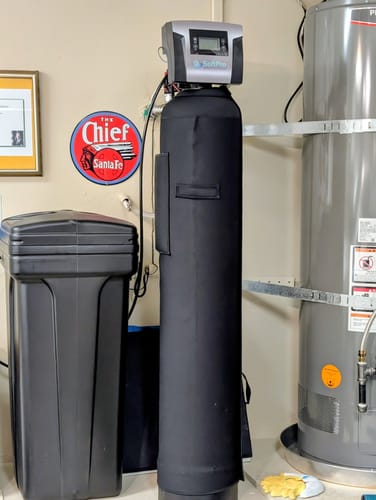
The system arrived in a surprisingly heavy wooden crate – definitely not something you'd want to handle alone. Unpacking revealed a professional-grade fiberglass tank, electronic control head, and pre-programmed timer that looked more sophisticated than I'd expected for a residential system.
The build quality immediately impressed me. The control valve felt substantial, with clearly labeled connections and a digital display that actually made sense. The tank itself measured 10 inches in diameter and 54 inches tall – larger than anticipated but not overwhelming in our utility room.
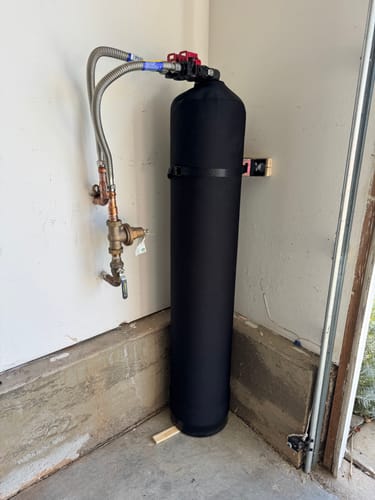
Installation required some advance planning. The system needed 110V power, a drain line for backwash water, and integration with our existing plumbing between the pressure tank and distribution manifold. I also needed to install a bypass valve system to isolate the filter for maintenance.
Professional installation seemed wise given the plumbing modifications required.
Our local installer completed the work in about four hours, including the bypass valves, electrical connection, and initial system programming. The total installation cost was $380, which seemed reasonable considering the complexity of integrating the system with our existing setup.
The first startup was almost anticlimactic – no dramatic sounds or obvious changes, just the quiet hum of the air injection pump cycling periodically. The installer programmed the system to backwash every three days initially, with plans to adjust the frequency based on actual iron loading.
Within hours, I noticed the first improvement: water from the kitchen tap no longer had that distinctive metallic smell. The taste difference wasn't immediately obvious, but the absence of that iron tang was definitely noticeable.
Performance Testing and Real Results

Being naturally skeptical about product claims, I decided to conduct my own testing using both home test kits and a certified laboratory analysis. The results exceeded my expectations and provided concrete evidence of the system's effectiveness.
Pre-installation baseline measurements:
Iron: 4.2 PPM
Manganese: 0.8 PPM
pH: 6.8
Total dissolved solids: 340 PPM
Post-installation results after one week:
Iron: 0.1 PPM (96% reduction)
Manganese: 0.05 PPM (94% reduction)
pH: 7.1 (slightly improved)
TDS: 335 PPM (unchanged, as expected)
The laboratory analysis confirmed these numbers and provided additional insights. The system was removing iron and manganese without affecting beneficial minerals like calcium and magnesium, which was important since we don't have a separate water softener.
Testing under different conditions revealed consistent performance. During peak usage periods – morning showers combined with dishwasher and laundry cycles – the system maintained its removal efficiency without creating pressure drops or flow restrictions.
I also measured the backwash water to understand how much iron the system was actually capturing. The rusty-brown discharge during regeneration cycles contained concentrated iron particles, providing visual confirmation that the filtration process was working as designed.
Seasonal testing showed some variation in performance. Spring runoff increased our raw iron levels to nearly 5 PPM, but the system adapted automatically, increasing backwash frequency to maintain consistent output quality. Summer drought conditions reduced iron levels to around 3 PPM, and the system scaled back its regeneration cycles accordingly.
Daily Life Impact and Household Benefits
The transformation in our daily water experience has been remarkable, with improvements appearing in ways I hadn't anticipated. Beyond solving our obvious iron problem, the system has enhanced our quality of life in numerous small but meaningful ways.
Laundry results improved dramatically within the first month.
Our white cotton shirts, which had developed permanent yellow stains, gradually returned to their original brightness after several wash cycles. New white clothing stays pristine, and colored fabrics appear more vibrant without iron particles dulling the colors. I've also reduced detergent usage by about 25% since the cleaner water requires fewer chemicals to achieve the same cleaning results.
Kitchen and bathroom fixtures no longer require constant scrubbing to remove iron stains. The toilet bowls stay white, shower doors remain clear longer, and our stainless steel sink maintains its original luster with minimal maintenance. Cleaning time has decreased significantly – what used to require harsh chemicals and vigorous scrubbing now comes clean with basic household cleaners.
Coffee and tea taste noticeably better, with the metallic undertone completely eliminated. Guests frequently comment on the improved water quality, and we no longer feel embarrassed about serving tap water during dinner parties. Ice cubes are crystal clear instead of cloudy, and they don't leave iron deposits in glasses.
Our appliances show signs of improvement too. The dishwasher produces spot-free glassware without rinse aids, and the washing machine's drum has gradually cleaned itself of accumulated iron deposits. The water heater's efficiency seems improved, though it's too early to quantify energy savings definitively.
Unexpected benefits include better-tasting home-cooked meals (iron was affecting the flavor of soups, pasta, and other water-based dishes) and improved plant health for our indoor herbs, which no longer show the leaf browning associated with iron-rich water.
Operating Costs and Long-Term Economics
Understanding the true cost of ownership was crucial for evaluating this investment, so I've carefully tracked all expenses associated with operating the iron filter system over eighteen months.
Electricity consumption averages about $12 monthly, primarily from the air injection pump and periodic backwash cycles. This is higher than I initially expected but still reasonable considering the system runs continuously to maintain water quality.
The major ongoing expense is media replacement every 5-7 years.
The catalytic media costs approximately $180 for our system size, including professional replacement service. Prorating this expense adds about $30 annually to operating costs. Some homeowners replace media themselves to save money, but I prefer professional service to ensure proper system performance.
Backwash water usage averages 100-150 gallons monthly, depending on iron loading and regeneration frequency. For well water users, this represents lost pumping costs rather than direct municipal water charges, but it's still worth factoring into total operating expenses.
Maintenance costs have been minimal so far – just one service call ($95) to adjust the regeneration timing when we experienced higher iron levels during spring runoff. The system's diagnostic capabilities helped identify the issue quickly, preventing any long-term problems.
Comparing these costs to our previous situation reveals significant savings. We no longer purchase expensive iron-removal detergents ($25 monthly), specialized cleaning products for iron stains ($15 monthly), or bottled water for drinking and cooking ($40 monthly). These eliminated expenses offset most of the system's operating costs.
The payback period, including initial purchase and installation costs, appears to be approximately four years when factoring in appliance protection, reduced cleaning products, and improved efficiency of water-using appliances. Beyond the financial benefits, the convenience and quality-of-life improvements justify the investment regardless of strict economic calculations.
Maintenance Experience and System Reliability
After eighteen months of continuous operation, the maintenance requirements have proven manageable and the system reliability has exceeded expectations. Understanding what's involved in long-term ownership helps set realistic expectations for potential buyers.
Daily maintenance consists of simply checking the system's digital display during routine basement visits. The control head shows current operating status, days until next regeneration, and any error codes that might indicate issues requiring attention.
Monthly tasks include inspecting the drain line for clogs and checking the air injection pump operation.
The air pump runs periodically throughout the day, creating a brief humming sound that becomes familiar background noise. Unusual sounds or continuous operation might indicate problems, but our system has operated consistently without issues.
Quarterly maintenance involves testing water quality using home test strips to verify ongoing iron removal effectiveness. I also inspect all plumbing connections for leaks and ensure the bypass valves operate smoothly in case system isolation becomes necessary.
The annual professional service includes comprehensive system evaluation, regeneration timing optimization, and preventive maintenance on the control valve. This $125 service has identified minor adjustments that optimize performance and extend component life.
One minor issue occurred around month ten when the system began regenerating too frequently. The diagnostic display indicated high iron loading, but our raw water testing showed normal levels. The technician discovered that biofilm formation in the media bed required additional chlorination during backwash cycles. This adjustment resolved the problem immediately.
System reliability has been outstanding. We've experienced no unplanned downtime, and the bypass valves allowed us to maintain water service during the brief maintenance periods. The electronic controls have operated flawlessly, and the programmable features adapt automatically to seasonal changes in water chemistry.
Final Assessment and Buying Recommendations
After eighteen months of real-world experience, I can confidently say this iron filtration system has exceeded my expectations and delivered transformative results for our household water quality. The investment has proven worthwhile both financially and in terms of daily living improvements.
The system excels in several key areas that matter most to homeowners.
Performance consistency stands out as the biggest strength – regardless of seasonal changes, usage patterns, or variations in raw water chemistry, the system maintains excellent iron and manganese removal rates. The automated operation requires minimal intervention, making it truly "set it and forget it" technology.
Installation quality and component durability have impressed me throughout the ownership period. The professional-grade construction feels built to last decades, not just years, and the electronic controls provide reliable operation with helpful diagnostic capabilities.
Cost of ownership, while not insignificant, provides genuine value when considering the comprehensive benefits. Beyond solving our iron problem, the system has improved appliance longevity, reduced cleaning time and chemical costs, and enhanced our overall water experience.
This system is perfect for households with iron levels between 2-10 PPM who want a comprehensive, low-maintenance solution. Rural homeowners with private wells will particularly appreciate the chemical-free operation and automatic adjustment to varying water conditions. Families concerned about water quality and appliance protection will find the investment justified by the broad range of benefits.
Consider alternatives if your iron levels are below 1 PPM (simpler solutions may suffice), if you're uncomfortable with the space requirements and ongoing costs, or if you need immediate results (the full benefits take several weeks to become apparent). Renters or those planning to move within a few years should explore portable or less permanent solutions.
Would I purchase this system again? Absolutely. The transformation in our water quality, combined with the convenience and reliability of automated operation, makes this one of the best home improvements we've made. For households dealing with iron contamination, a quality iron filtration system isn't just a luxury – it's an investment in better daily living and long-term property value.






