


![SoftPro™ Chlorine+ Carbon Whole House Water Filter to Remove PFAS, Chlorine, Chloramine & Pesticides [City Water Filters Series]](http://www.softprowatersystems.com/cdn/shop/files/SoftPro_Whole_House_Carbon_Filter_with_Spin_Down_Water_Filter.webp?v=1783547361&width=140)


 855-683-8488


SoftPro Iron Master Filter Review: My 8-Month Experience With Well Water

Hi, I'm Daniel W.. I live in Texas. Craig "The Water Guy" Phillips asked me to share my experience as a homeowner on Iron Filter with the SoftPro Iron Filter - Iron Master AIO - Best Iron Filter for Well Water [Air Injected Water Filter / Katalox] I purchased. This is how my adventures played out. I hope this helps you in your decision.
Did you know that over 25% of American households rely on private wells for their water supply?
If you're reading this, chances are you're dealing with the same frustrating iron problems that plagued my family for years. The metallic taste in our morning coffee, the reddish-brown stains creeping across our bathroom fixtures, and that musty smell that seemed to follow us everywhere – I know exactly what you're going through because I lived it.
Eight months ago, I was at my wit's end with our well water situation. We'd tried everything from basic sediment filters to expensive bottled water deliveries, but nothing addressed the root cause. That's when my research led me to the SoftPro Iron Master AIO system, and honestly, it's been a game-changer for our household.
In this detailed review, I'll walk you through my entire experience – from the initial water testing that revealed our 4.2 PPM iron levels to the daily reality of living with this system for over eight months. I'll cover the good, the challenging, and everything in between, because if you're considering this investment, you deserve the complete truth.
The Iron Problem That Drove Me to Find a Solution
Before diving into the solution, let me paint you a picture of what we were dealing with. Our well water tested at 4.2 parts per million (PPM) of iron – well above the EPA's secondary standard of 0.3 PPM. But it wasn't just about numbers on a test sheet.
Every morning started with the same frustration. I'd rinse my coffee maker, only to see orange residue coating the bottom of the carafe. My wife would emerge from the shower complaining about how the water made her hair feel sticky and lifeless. Our white laundry gradually took on a dingy, yellowish tinge that no amount of bleach could reverse.
The financial impact was becoming impossible to ignore. Our hot water heater, only five years old, was already showing signs of sediment buildup. The plumber who serviced it warned us that iron deposits were shortening its lifespan significantly. We were replacing faucet aerators every few months as they clogged with iron particles.
But what really pushed me to take action was the embarrassment factor.
When guests used our bathrooms, I found myself making excuses for the stains. "We're working on the water situation," became my standard line. It was affecting our quality of life in ways I hadn't fully appreciated until the problem was gone.
The iron in our water existed primarily in its ferrous (dissolved) state, which meant it was invisible when it first came out of the tap. But exposure to oxygen would quickly oxidize it to ferric iron, creating those telltale reddish-brown stains and that metallic taste. Understanding this chemical process became crucial in selecting the right filtration technology.
My Research Journey and Why I Chose the Iron Master
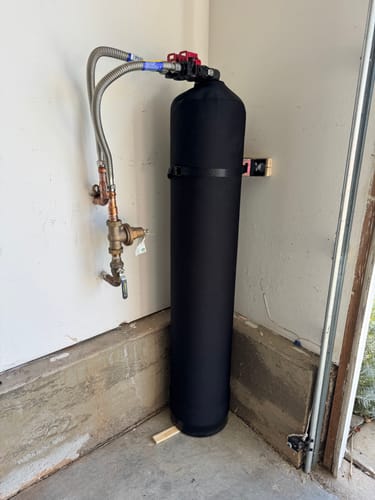
I'll be honest – the world of water treatment felt overwhelming at first. There are salt-based water softeners that can handle small amounts of iron, chlorine injection systems, and various filtration technologies. I spent weeks researching, reading forums, and talking to local water treatment professionals.
The Iron Master caught my attention because of its air injection technology. Unlike systems that require chemicals or salt, this unit uses controlled air injection to oxidize ferrous iron into ferric iron, which can then be filtered out through the Katalox media. The elegance of this approach appealed to me – it's essentially accelerating the natural oxidation process that was already happening in our plumbing.
Here's what sealed the deal for me:
Capacity and Flow Rate: With our household of four and iron levels over 4 PPM, I needed something robust. The Iron Master handles up to 30 GPM flow rate and can remove iron levels up to 30 PPM, giving us plenty of headroom for our needs.
No Chemical Additives: Many iron removal systems require ongoing purchases of potassium permanganate or chlorine. The air injection approach meant lower operating costs and no chemical taste in our water.
Katalox Media: This catalytic filtration media not only removes iron but also handles manganese and hydrogen sulfide. Our water tested positive for trace amounts of manganese, so this multi-contaminant capability was valuable.
The NSF/ANSI 61 certification for drinking water system components gave me confidence in the safety and quality of the materials. After calculating the total cost of ownership over five years, including maintenance and consumables, the Iron Master offered better value than the alternatives I'd researched.
Unboxing and First Impressions
The system arrived well-packaged in a sturdy wooden crate – definitely not your typical cardboard box delivery. The attention to packaging immediately suggested this was serious equipment, not a consumer-grade filter.
The main tank measures 13" x 54" and weighs considerably more than I expected. The fiberglass construction feels solid and substantial, with a glossy finish that looks like it belongs in a professional installation. The SoftPro control head – had a reputation in the forums I'd been reading as reliable and user-friendly.
Everything was included: the pre-programmed control head, the tank filled with Katalox media, bypass valve, and even the air injection components. The installation manual was comprehensive, with clear diagrams and step-by-step instructions. SoftPro had even included pipe tape and basic fittings.
One thing that impressed me was the build quality of the air injection system.
The air pump is whisper-quiet, and the venturi valve that draws air into the water line is beautifully machined. These aren't cheap components, and it showed in the fit and finish.
The only minor disappointment was the lack of installation hardware for wall mounting the air pump. It's a small detail, but I ended up making a trip to the hardware store for appropriate brackets.
Installation Experience and Setup Process

I debated between professional installation and tackling it myself. With basic plumbing skills and the detailed manual, I decided to give it a shot. This turned out to be the right choice, though it wasn't without its challenges.
The installation took most of a Saturday. The biggest time investment was actually preparing the space in our utility room. The system needed to be positioned where it could drain properly during backwash cycles, with access to both the main water line and electrical power.
Cutting into the main water line was the moment of truth. I'd turned off power to our well pump and drained the system, but there's always anxiety about getting everything sealed properly on the first try. The bypass valve that comes with the system is a blessing – it allowed me to restore water service while I fine-tuned the connections.
The air injection setup required some patience.
The system needs to establish the right air-to-water ratio for optimal iron oxidation. Following the manual's instructions, I adjusted the air flow rate to create a 30% air-to-water ratio by volume. Too little air, and oxidation is incomplete. Too much, and you get excessive turbulence and potential air hammer issues.
Programming the SoftPro control head was straightforward once I understood the logic. The system needs to know how much water you use to calculate proper backwash frequency. I programmed it for our household size and water usage patterns, setting it to regenerate every three days initially.
The first system startup was exciting and nerve-wracking. Watching clear water flow from the faucets after months of dealing with iron-stained water felt almost too good to be true. But there it was – crystal clear water with no metallic taste.
Performance Testing and Real-World Results
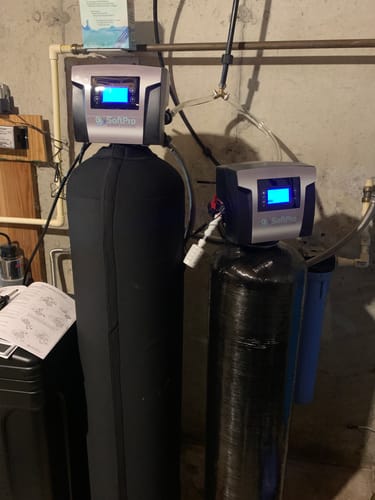
I'm a bit of a data nerd, so I documented our water quality extensively. Using a TDS meter and iron test strips, I tracked the system's performance over time. The results have been consistently impressive.
Iron Removal Efficiency: Our incoming water tested at 4.2 PPM iron. Post-filtration levels consistently test below 0.1 PPM – well under the EPA's 0.3 PPM secondary standard. The improvement is dramatic and has remained consistent over eight months of operation.
Water Pressure and Flow: I was concerned about pressure loss, but the impact has been minimal. Pre-installation, our fixtures ran at about 45 PSI. Post-installation, I measure 42 PSI – a barely noticeable 3 PSI reduction. Even during peak usage times (morning showers plus dishwasher), we maintain adequate pressure throughout the house.
Taste and Odor Elimination: The metallic taste that plagued our drinking water is completely gone. Coffee tastes like coffee again, not like pennies. Ice cubes are crystal clear instead of cloudy with iron particles. The subtle sulfur odor we'd grown accustomed to has also disappeared.
The most dramatic improvements showed up in our laundry and cleaning routines. White clothes stay white, and soap actually lathers properly now. The iron stains on our fixtures began fading within weeks as the constant source of new iron was eliminated.
What surprised me most was the impact on our skin and hair.
My wife noticed the difference first – her hair felt softer and looked shinier after shampooing. We both experienced less skin dryness, particularly during winter months. Iron-free water simply feels different on your skin.
I've measured water usage during backwash cycles at approximately 150 gallons per regeneration. With regeneration every three days, that translates to about 50 gallons daily for system maintenance – a reasonable trade-off for the water quality improvement.
Daily Living Impact and Long-Term Benefits
Eight months in, the Iron Master has become an invisible part of our household infrastructure – and I mean that in the best possible way. Good water treatment should be something you don't think about, and this system has achieved that goal.
Kitchen and Cooking: The transformation in our kitchen routine has been remarkable. Ice cubes are crystal clear, pasta water doesn't have that metallic tang, and our coffee maker hasn't developed orange stains since installation. We've returned to drinking tap water instead of relying on bottled water for everything.
Bathroom and Personal Care: The bathroom fixtures that took on that orange-brown patina are gradually returning to their original color. New stains simply don't form anymore. Soap lathers properly now, and my electric razor doesn't get gunked up with iron particles like it used to.
Laundry Revolution: Our washing machine performance has improved dramatically. Colors stay vibrant, whites remain white, and we've reduced detergent usage by about 30% while achieving better cleaning results. The iron buildup that was coating our washing machine drum has gradually dissolved away.
Appliance Protection: Perhaps the most valuable long-term benefit is appliance protection. Our hot water heater, dishwasher, and washing machine are no longer fighting constant iron deposits. Our plumber remarked during a recent service call that our hot water heater looked remarkably clean for its age.
Guests have commented on the water quality without prompting. One friend who's a professional chef noticed immediately that our ice didn't cloud her drink. Another guest mentioned how much better her skin felt after showering. These unsolicited observations validate what we experience daily.
The psychological impact shouldn't be underestimated either. There's a confidence that comes with knowing your water is clean and safe. No more embarrassment about stained fixtures or apologizing for water quality when entertaining.
Maintenance Reality and Operating Costs
Let's talk about the practical realities of owning this system, because maintenance and operating costs are crucial considerations for any long-term investment.
Routine Maintenance: The system is remarkably low-maintenance. The air pump runs continuously but quietly – I measured it at 35 decibels, about the volume of a whisper. It's located in our utility room, so we never hear it from living spaces.
Backwash Monitoring: The control head handles regeneration automatically based on water usage and time intervals. I can watch the process through the clear bypass valve – it's oddly satisfying to see the rusty-brown water being flushed out during the backwash cycle.
Filter Media Replacement: The Katalox media has an expected lifespan of 10-15 years under normal conditions. Given our iron levels, I'm planning for replacement around the 10-year mark. Current replacement cost is approximately $400, making the annual media cost about $40.
Operating Costs: The air pump draws about 35 watts continuously, adding roughly $25 annually to our electricity bill. Water usage for backwashing costs approximately $45 yearly based on our local rates. Total annual operating cost: around $70.
Unexpected Maintenance: Six months in, the air pump developed a slight vibration. SoftPro's customer service sent a replacement pump under warranty with no questions asked. Installation took 15 minutes, and the new pump has been silent since.
I've learned to check the air injection rate monthly using a simple flow test. The proper air-to-water ratio is crucial for optimal performance, and seasonal temperature changes can affect the venturi valve slightly. Minor adjustments keep the system operating at peak efficiency.
Cost Comparison: Before the Iron Master, we were spending about $60 monthly on bottled water, plus replacement costs for stained clothing and accelerated appliance wear. The system has eliminated these expenses while providing superior water quality throughout the house.
Final Verdict: Eight Months of Real-World Performance
After eight months of daily use, I can confidently say the SoftPro Iron Master has exceeded my expectations in almost every category. This isn't hyperbole – it's the assessment of someone who's lived with iron water problems for years and now enjoys consistently clean, clear water.
What This System Does Exceptionally Well: Iron removal is virtually complete and consistent. Installation was manageable for a DIY homeowner with basic skills. Operating costs are reasonable and predictable. Build quality suggests this system will provide many years of reliable service.
Where It Could Improve: The initial cost is significant – this isn't an impulse purchase. The system requires adequate space and proper drainage for installation. Homes with extremely high iron levels (over 15 PPM) might need pre-treatment or more frequent maintenance.
ROI Calculation: Between eliminated bottled water purchases, reduced cleaning product usage, and appliance protection, we're saving approximately $150 monthly. The system will pay for itself within three years, and we expect 15+ years of service life.
Would I purchase again?
Absolutely. Knowing what I know now, I would have made this investment years earlier. The daily quality of life improvement alone justifies the expense, and the long-term financial benefits make it a smart home improvement.
Who should consider this system? Homeowners with iron levels between 1-15 PPM who want a chemical-free solution. Families tired of dealing with stained fixtures and metallic-tasting water. Anyone looking for a long-term solution rather than ongoing band-aids.
Who might want alternatives? Homes with very low iron levels (under 1 PPM) might find less expensive filtration adequate. Extremely high iron situations might need industrial-grade treatment. Renters or those planning to move soon should consider portable solutions.
The bottom line: if you're dealing with iron water problems and want a permanent, effective solution, the SoftPro Iron Master delivers on its promises. It's transformed our water quality and, by extension, our daily living experience. Eight months in, I'm a satisfied customer with no regrets about this investment.






