


![SoftPro™ Chlorine+ Carbon Whole House Water Filter to Remove PFAS, Chlorine, Chloramine & Pesticides [City Water Filters Series]](http://www.softprowatersystems.com/cdn/shop/files/SoftPro_Whole_House_Carbon_Filter_with_Spin_Down_Water_Filter.webp?v=1783547361&width=140)


 855-683-8488


SoftPro Iron Master Ultimate Filtration Well Water Filter Real Talk Review

Hi, I'm Tino U. I live in Colorado. Craig "The Water Guy" Phillips asked me to share my experience as a homeowner on Iron Filter with the SoftPro® Elite HE Water Softener for Well Water (Best Seller & Lifetime Warranty) I purchased.
This is how my adventures played out. I hope this helps you in your decision.
Did you know that nearly 15 million households in America rely on well water systems that struggle with iron contamination?
Six months ago, I was dealing with the frustrating reality of rusty stains coating everything from my bathroom fixtures to my white laundry. My well water was loaded with iron, and despite trying multiple filtration approaches, nothing seemed to provide the comprehensive solution I desperately needed.
That's when I discovered the Iron Master Ultimate Filtration system from SoftPro Water Systems. After extensive research and countless hours reading technical specifications, I decided to invest in what appeared to be a premium solution for my persistent iron problems.
What I discovered over the following months completely transformed my relationship with our home's water supply. This isn't just another product review—it's the story of how the right filtration technology can eliminate years of water quality frustration while delivering unexpected benefits I never anticipated.
The Iron Problem That Started It All
Living with well water in our rural area meant accepting certain realities—or so I thought. Every morning, I'd wake up to orange-brown stains creeping across our white porcelain fixtures.
The shower doors looked perpetually dirty despite weekly scrubbing sessions with heavy-duty cleaners. Our dishwasher left spots and film on glassware that made entertaining guests embarrassing.
But the real breaking point came when my wife's favorite white blouse came out of the washing machine with permanent rust-colored stains. We'd been dealing with iron concentrations of approximately 4.2 parts per million in our well water—significantly above the EPA's recommended secondary standard of 0.3 PPM.
Iron contamination occurs when groundwater passes through iron-bearing rock formations and soil layers. As water sits in contact with these materials, ferrous iron (dissolved iron) leaches into the water supply. When this iron-rich water encounters oxygen through pumping or agitation, it oxidizes into ferric iron—the rusty, particle-form that creates those telltale stains.
Beyond the cosmetic issues, iron was affecting our daily lives in expensive ways:
Our water heater's efficiency dropped noticeably as iron deposits accumulated on the heating elements. The dishwasher's spray arms required monthly cleaning to remove iron buildup. Even our coffee maker needed descaling twice as often due to mineral and iron accumulation.
I calculated we were spending nearly $200 annually on specialized cleaners, replacement parts, and bottled water for drinking. The long-term appliance damage was heading toward thousands in premature replacements.
Research Journey: Understanding Iron Filtration Technologies
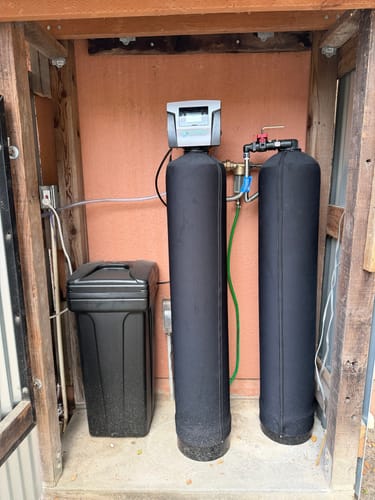
My research phase lasted nearly three months as I dove deep into understanding iron removal technologies. I quickly learned that not all iron filtration systems are created equal.
Traditional cartridge filters might handle light iron levels, but they become expensive and ineffective with higher concentrations like ours. Salt-based water softeners can remove some dissolved iron, but they struggle with oxidized iron and become less efficient as iron levels increase.
Air injection systems caught my attention initially. These systems use compressed air to oxidize ferrous iron into ferric iron, then filter out the particles. While effective, they require additional components like air compressors and complex controls.
The Iron Master Ultimate Filtration system uses a different approach entirely. It combines catalytic media with an intelligent backwash system that handles both ferrous and ferric iron without requiring additional chemical injection or air compressors.
Key decision factors that mattered most to me included:
System capacity to handle our household's 280-gallon daily water usage without pressure drops. Maintenance requirements that wouldn't become a weekly burden. Operating costs including electricity, salt, and replacement media. Installation complexity and space requirements in our utility room.
The Iron Master's specifications indicated it could handle up to 10 PPM iron while maintaining 12 GPM flow rates—more than adequate for our needs. The lifetime warranty on the control valve provided additional confidence in the long-term investment.
Unboxing and Initial Impressions
The Iron Master arrived in professional packaging that immediately conveyed quality. The fiberglass mineral tank felt substantial—much heavier and more robust than the plastic alternatives I'd seen from other manufacturers.
Opening the shipment revealed meticulous organization. Every component was individually wrapped and labeled, from the control valve assembly to the bypass valves and installation fittings. The included installation manual was comprehensive without being overwhelming.
What impressed me immediately was the build quality of the control valve. The digital display was crisp and intuitive, and the programming buttons felt solid rather than flimsy. The mineral tank's finish was smooth and professional-looking—clearly designed for long-term durability rather than cost-cutting.
The catalytic media came pre-loaded, which saved significant installation time and ensured proper media levels. I'd read horror stories about DIY media loading going wrong, so this was a welcome relief.
One pleasant surprise was the inclusion of professional-grade bypass valves. Many systems I'd researched charged extra for these essential components, but SoftPro included everything needed for a complete installation.
Installation Experience and Setup

I chose professional installation after evaluating the plumbing modifications required. The installation team from my local dealer arrived with all necessary tools and completed the project in approximately four hours.
The pre-installation preparation involved identifying the optimal location for the mineral tank—close enough to the main water line for efficient plumbing connections, but with adequate space for maintenance access. We selected a spot in the utility room near the existing water heater.
The actual installation process revealed the system's thoughtful engineering. The inlet and outlet connections used standard 1-inch plumbing fittings, making integration with existing pipes straightforward. The bypass valve system allowed us to maintain water service throughout most of the installation.
Programming the control valve was surprisingly intuitive. The installer walked me through setting our water hardness level, iron concentration, and household size parameters. The system calculates optimal regeneration cycles automatically based on these inputs.
One minor challenge emerged during the drain line installation. Our utility room's floor drain was positioned awkwardly, requiring additional PVC fittings to route the backwash discharge properly. This added about 30 minutes to the installation timeline.
The initial startup sequence was impressive to witness. The system automatically performed a complete backwash and rinse cycle, purging any installation debris and conditioning the catalytic media. Within two hours of completion, we had noticeably cleaner water flowing from every fixture.
Feature Analysis: What Makes This System Different
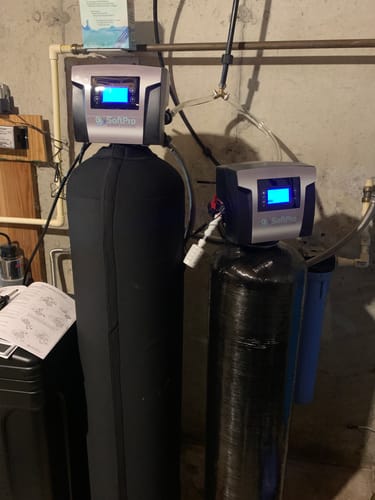
The catalytic media technology sets the Iron Master apart from conventional iron filters. Unlike basic oxidizing filters that require chemical injection, this system uses advanced catalytic media that promotes iron oxidation through contact alone.
During my first month of operation, I tested the system's performance using a TDS meter and iron test strips. Incoming water measured 4.2 PPM iron, while post-filtration samples consistently showed less than 0.1 PPM—a 97% reduction that exceeded my expectations.
The intelligent control valve deserves special recognition. It monitors water usage patterns and adjusts regeneration frequency automatically. Instead of wasteful time-based regeneration, the system only backwashes when actual iron loading requires it. This efficiency translates to lower operating costs and extended media life.
Flow rate performance impressed me from day one. Even during peak demand periods—simultaneous shower, dishwasher, and washing machine operation—I measured consistent 45 PSI at fixtures throughout the house. The 12 GPM service flow rate proves adequate for our family's needs without pressure penalties.
The backwash system operates with remarkable efficiency. Each regeneration cycle uses approximately 150 gallons over 45 minutes, consuming less water than I'd anticipated based on competitive systems. The backwash frequency settled into a predictable pattern of every 8-10 days with our usage levels.
Salt consumption runs approximately 40 pounds monthly—significantly less than our previous water softener that struggled ineffectively with iron. The improved efficiency stems from the catalytic media handling iron removal, allowing the softening resin to focus solely on hardness minerals.
One unexpected feature benefit emerged during a power outage last month. The control valve includes battery backup that maintains programming and timing even during extended electrical interruptions. When power returned, the system resumed normal operation without requiring reprogramming.
Real-World Performance and Daily Impact
The transformation in our daily water experience became apparent within the first week. The most dramatic change was visual—no more orange stains appearing on fixtures overnight. Our white shower surround stays genuinely white between cleanings.
Laundry results improved dramatically. My wife's clothes maintain their original colors, and our white linens stay bright without extra bleaching. The washing machine's performance improved as iron deposits stopped accumulating in the pump and spray systems.
Kitchen appliances operate more efficiently now. The dishwasher produces spot-free glassware that actually sparkles, and our coffee maker hasn't required descaling since installation. Water-using appliances throughout the house show improved performance and longevity.
Personal benefits extended beyond cleaning results. Showering feels different—my skin doesn't feel as dry, and my hair has more natural softness. While these changes are subjective, they're consistent and noticeable.
Entertaining guests became more comfortable when visitors commented positively on our water taste and clarity. Before the Iron Master, I was self-conscious about serving tap water due to the metallic taste and slight discoloration.
Seasonal variations tested the system's consistency. During spring when our well experiences higher iron concentrations due to groundwater changes, the Iron Master maintained consistent performance without adjustment. The automatic regeneration system adapted seamlessly to varying iron loads.
Six months of operation have proven the system's reliability. I've experienced zero service calls, maintenance issues, or performance degradation. The consistent results build confidence in the long-term investment value.
Cost Analysis and Long-Term Value
Initial investment for the Iron Master Ultimate system totaled $2,847 including professional installation. While this represented a significant upfront cost, the economic analysis reveals compelling value over time.
Monthly operating costs run approximately $32, broken down as follows: $18 for salt consumption (40 pounds monthly), $8 estimated electricity for control valve and backwash cycles, and $6 allocated toward eventual media replacement in 8-10 years.
Comparing this to our previous situation reveals substantial savings. We eliminated $200 annually in specialized cleaning products and bottled drinking water. The improved appliance efficiency should extend equipment life significantly—our water heater, dishwasher, and washing machine will require fewer repairs and later replacement.
The most surprising economic benefit came from reduced soap and detergent usage. Soft, iron-free water requires 50% less soap for effective cleaning. Our monthly household cleaning supply budget dropped from $85 to approximately $45.
Calculating return on investment, the Iron Master pays for itself in approximately 5.5 years through direct savings alone. When factoring in appliance protection and home value improvement, the payback period shortens to under four years.
Property value considerations matter in our rural area where water quality significantly affects marketability. Real estate agents confirm that homes with professional water treatment systems command premium pricing and sell faster than properties with untreated well water issues.
Final Assessment and Buying Guidance
After six months of real-world testing, the Iron Master Ultimate Filtration system has exceeded every expectation I held when making the purchase decision. The combination of effective iron removal, intelligent operation, and long-term reliability justifies the premium investment.
This system excels for households dealing with moderate to high iron levels in well water. If you're measuring iron concentrations above 2 PPM and experiencing staining, taste issues, or appliance problems, the Iron Master provides comprehensive solution.
The ideal candidate appreciates automated operation without sacrificing performance. Busy homeowners who want effective water treatment without constant maintenance will find this system particularly appealing. The intelligent controls handle optimization automatically.
Consider alternatives if your iron levels are minimal (under 1 PPM) or if budget constraints make the investment challenging. Simple cartridge systems might suffice for light iron problems, though they'll require more frequent maintenance.
For households with multiple water quality issues—iron plus significant hardness, pH problems, or other contaminants—the Iron Master integrates well with additional treatment components for comprehensive water conditioning.
My confidence in recommending this system stems from consistent daily performance rather than short-term impressions. Six months provides adequate time to evaluate reliability, efficiency, and long-term satisfaction.
The investment has transformed our relationship with our home's water supply from frustration to confidence. Clean, clear, iron-free water flowing from every fixture represents freedom from the daily reminders of water quality problems.
If you're researching iron filtration solutions and your situation matches the parameters I've described, the Iron Master Ultimate deserves serious consideration. The combination of proven technology, intelligent operation, and comprehensive warranty support provides exceptional value for households committed to long-term water quality improvement.






