


![SoftPro™ Chlorine+ Carbon Whole House Water Filter to Remove PFAS, Chlorine, Chloramine & Pesticides [City Water Filters Series]](http://www.softprowatersystems.com/cdn/shop/files/SoftPro_Whole_House_Carbon_Filter_with_Spin_Down_Water_Filter.webp?v=1783547361&width=140)


 855-683-8488


What Causes That Slimy Brown Buildup in Well Pipes and Fixtures? The Iron Bacteria Answer

That slimy brown buildup in your well pipes and fixtures is caused by iron bacteria — microscopic organisms that feed on dissolved iron and manganese in your groundwater. They thrive in low-oxygen environments and leave behind that telltale orange or brown slime you're seeing. They spread fast, need almost no nutrients to survive, and create serious water quality concerns. Stick with us, and we'll show you exactly how to spot, remove, and stop them for good.
Key Takeaways
- Iron bacteria are microscopic organisms that feed on dissolved iron and manganese, leaving orange or brown slime inside pipes and fixtures.
- These bacteria thrive in low-oxygen environments and need as little as 0.01 mg/L of iron to survive and spread.
- Groundwater naturally contains iron, manganese, and sulfate, making well systems ideal environments for iron bacteria colonization.
- Poor well construction creates easy entry points, allowing iron bacteria to infiltrate and contaminate the water supply.
- Reddish-brown deposits, orange toilet slime, and musty odors from taps are common signs of iron bacteria presence.
What Iron Bacteria Actually Are (And Why They Love Your Well)

Iron bacteria are microscopic organisms that thrive in low-oxygen environments where dissolved iron and manganese are plentiful — conditions that make a typical water well an ideal home for them. They feed on these dissolved minerals, and as they metabolize them, they leave behind the orange or brown slime you've likely noticed coating your pipes and fixtures.
What makes wells particularly vulnerable is their surrounding environment. Wet, organic-rich soil creates a natural breeding ground, and if your well isn't properly constructed or maintained, these bacteria find easy entry points.
They won't make you sick directly, but here's what you should know — they create conditions where other harmful organisms can establish themselves, turning a nuisance problem into a genuine water quality concern.
Why Iron Bacteria Spread So Easily in Well Systems
Once you understand what iron bacteria are, the next logical question is why they spread so fast — and the answer comes down to how little it takes for them to get comfortable. They need almost nothing to establish themselves — just 0.01 mg/L of iron and low oxygen. That's it.
| Condition | Iron Bacteria Advantage |
|---|---|
| Low dissolved oxygen | Ideal growth environment |
| Iron as low as 0.01 mg/L | Minimal nutrient threshold |
| Shale/sandstone aquifers | Natural reservoir habitat |
| Poor well construction | Easy entry point during drilling |
Once they're in, they're in. Inadequate sealing or capping during drilling or maintenance practically rolls out the welcome mat. And because groundwater naturally contains iron, manganese, and sulfate, your well's environment is already primed for colonization.
How to Spot the Slime Before It Gets Worse
There are five telltale signs that iron bacteria have already made themselves at home in your well — and catching them early can save you from a costly remediation down the road.
Watch for reddish, yellow, or brown deposits on fixtures, orange or opaque slime collecting in toilets, and that unmistakable musty, swampy, or oily odor coming from your taps. These aren't cosmetic nuisances — they're biological warnings.
For a quick home confirmation, fill a clear glass with well water and let it sit undisturbed for 24 hours. If you spot fluffy, cotton-like sediment forming, iron bacteria are likely present.
From there, we'd recommend pursuing a dedicated iron bacteria test to confirm what you're dealing with before choosing a treatment strategy.
How to Remove Iron Bacteria From Your Well
Getting rid of iron bacteria isn't a one-size-fits-all fix — it typically takes a combination of physical removal, chemical treatment, and ongoing maintenance to fully reclaim your water quality.
Shock chlorination is your first line of defense, but that protective slime layer often demands repeated treatments. For heavily infected wells, licensed professionals physically scrub out slime colonies — a step you simply can't skip.
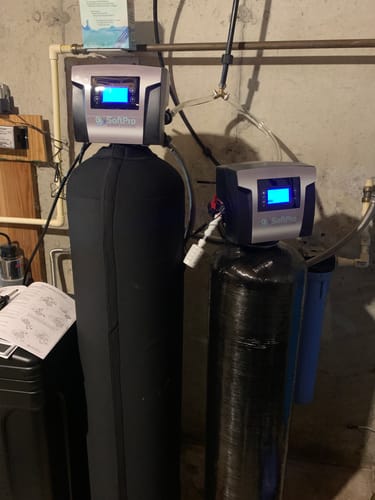
Chemical treatments, including disinfectants, acids, and surfactants, work alongside physical removal to hit bacteria from multiple angles. For persistent infestations, automated chlorine pellet droppers paired with whole-house filtration systems keep contamination in check long-term.
Prevention matters too — proper well construction and consistent sanitary practices stop iron bacteria from gaining a foothold before the problem starts.
How to Keep Iron Bacteria From Coming Back
Keeping iron bacteria from staging a comeback means staying proactive on a few key fronts.
First, make sure your well casing is watertight and extends at least one foot above ground—this blocks surface contaminants from sneaking in.
After any maintenance or repairs, disinfect everything: the well, pump, and plumbing system. We also recommend using only disinfected water when drilling, making repairs, or priming pumps.
Don't let equipment sit directly on the ground during well work, either—that's an easy contamination pathway people overlook.
Implement shock chlorination treatments after any well work or whenever you suspect contamination.
These targeted habits disrupt iron bacteria's ability to reestablish colonies, keeping your water cleaner longer and reducing the frequency of intensive treatments down the road.
Frequently Asked Questions
What Is the Brown Slime in My Well Water?
That brown slime we're seeing in your well water is iron bacteria. They're feeding on dissolved iron and manganese, producing a sticky, slimy buildup that clogs pipes, stains fixtures, and creates that unpleasant swampy odor.
What Is the Brown Slime in My Pipes?
The brown slime in your pipes is iron bacteria. They feed on dissolved iron and manganese, thriving in low-oxygen environments and creating that sticky, slimy buildup that blocks flow and causes costly plumbing issues.
How to Remove Brown Sediment From Well Water?
We'll tackle brown sediment by combining shock chlorination to kill iron bacteria, proper filtration systems designed for iron removal, and regular backwashing to flush debris—restoring your water's clarity and protecting your plumbing long-term.
What Causes Slime in Water Pipes?
Iron bacteria cause slime in water pipes. They thrive in low-oxygen environments, feeding on dissolved iron and manganese, creating that reddish, slimy buildup we often spot coating our pipes and fixtures.






