


![SoftPro™ Chlorine+ Carbon Whole House Water Filter to Remove PFAS, Chlorine, Chloramine & Pesticides [City Water Filters Series]](http://www.softprowatersystems.com/cdn/shop/files/SoftPro_Whole_House_Carbon_Filter_with_Spin_Down_Water_Filter.webp?v=1783547361&width=140)


 855-683-8488


Why Iron Bacteria in Well Water Keeps Coming Back Even After Installing an Iron Filter

Iron filters aren't designed to kill bacteria — they only trap iron particles. Iron bacteria live in protective biofilms deep inside your well casing, pump, and pipes, where filters simply can't reach them. Even tiny amounts of residual iron slipping through your filter feed these colonies, allowing them to multiply. Without active disinfection, they'll always come back. Stick with us, and we'll show you exactly how to stop the cycle for good.
Key Takeaways
- Iron filters remove dissolved iron particles mechanically but contain no disinfectants, leaving bacteria alive and free to multiply downstream.
- Iron bacteria hide within protective biofilms coating well casings and pipes, making them virtually unreachable by standard filtration systems.
- Residual iron passing through filters continues feeding bacteria, sustaining colonies even after filtration is installed.
- Stagnant zones and crevices inside well systems provide permanent sheltered habitats where bacteria survive and repeatedly repopulate.
- Without ongoing disinfection strategies like chemical injection or shock chlorination, bacteria are guaranteed to recolonize after any treatment.
Why Iron Filters Can't Kill Iron Bacteria

Many homeowners assume that installing an iron filter will solve their iron bacteria problem — but that's not quite how it works.
Iron filters are built to remove dissolved iron, not kill living organisms. Here's the core issue: iron bacteria hide inside a protective biofilm that filters simply can't penetrate. No penetration means no elimination.
Iron filters remove iron. They don't kill bacteria. And no filter can penetrate the biofilm protecting them.
Compounding this, iron filters contain no disinfectants whatsoever. They're mechanical systems, not microbial killers.
So while the filter catches iron particles, the bacteria survive, multiply, and rebuild their colonies downstream.
Worse, residual iron that slips through the filter becomes their food source. They don't just survive — they thrive.
Solving an iron bacteria problem requires disinfection, not just filtration. That distinction changes everything about how you approach treatment.
Where Iron Bacteria Hides in Your Well System
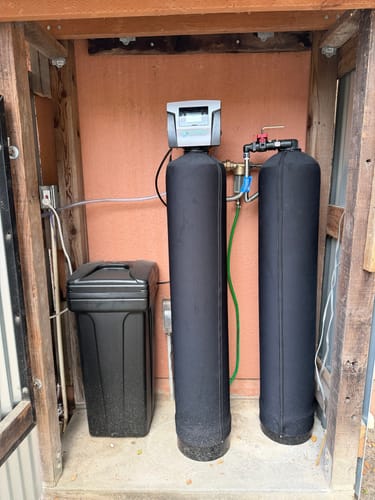
Iron bacteria don't just drift through your water and disappear — they settle in and claim territory throughout your entire well system. They colonize the well casing, pump, and distribution pipes, anchoring themselves in biofilms that grip surfaces like glue.
Stagnant zones are their favorite real estate — low-oxygen pockets where water sits still and nobody's watching. Crevices, cracks, and construction weak points become permanent hideouts.
Here's what makes this dangerous: those biofilms act as armor. Standard shock chlorination struggles to penetrate them, leaving protected colonies intact and ready to rebuild.
They can also infiltrate during routine maintenance if proper precautions aren't taken. Until you eliminate the stagnant conditions and structural vulnerabilities that attract them, iron bacteria will keep finding their way back.
How Iron Bacteria Keeps Coming Back After Treatment
Even after a successful treatment, iron bacteria have a frustrating habit of bouncing right back — and understanding why is the first step to stopping them for good.
These resilient organisms survive at iron concentrations as low as 0.3 ppm, meaning your groundwater alone gives them everything they need to recolonize.
Shock chlorination kills the visible problem, but biofilm buried deep in your well or plumbing shields surviving bacteria from the treatment entirely.
Meanwhile, if stagnant water or nutrient-rich conditions remain, rebounding populations are practically guaranteed.
Even your iron filter becomes a liability if it's not properly maintained — clogged with slime and deposits, it transforms from a solution into a breeding ground.
The bacteria don't get lucky; we simply leave the door open.
How to Eliminate Iron Bacteria for Good
Beating iron bacteria for good means attacking the problem on every front — not just treating symptoms, but eliminating the conditions that let them thrive.
Here's what actually works:
- Test regularly — bacteria colonize at just 0.3 ppm, so knowing your iron levels drives smarter treatment decisions.
- Shock chlorinate — flood the system with 200-500 ppm chlorine, then flush completely to wipe out existing colonies.
- Scrub the well physically — biofilms cling to casings and screens, sheltering bacteria from chemical treatments.
- Install chemical injection systems — continuous disinfectant dosing prevents regrowth between maintenance cycles.
We've seen well owners break the cycle once they stop relying on a single fix.
Layering these strategies closes every door iron bacteria use to return.
Signs You Need a Professional to Treat Iron Bacteria
Sometimes the problem runs deeper than any filter or DIY treatment can reach. If you're still seeing rust-colored stains after installing an iron filter, that's your water telling you something bigger is happening.
Add a rotten egg smell to the mix, and iron bacteria have likely taken hold in ways standard equipment can't address.
Watch for these warning signs: concentrations as low as 0.3 ppm can sustain bacterial growth, so even modest readings matter.
If biological slime keeps clogging your filters, pumps, or plumbing repeatedly, you're fighting a losing battle alone.
And if bacteria resurface after treatment, that's the clearest signal yet—you need a specialist implementing shock chlorination or chemical injection systems.
Don't wait until the damage compounds.
Frequently Asked Questions
How to Stop Iron Bacteria in Well Water?
We'll stop iron bacteria by shock chlorinating every 2-3 years, testing water regularly, keeping well casings sealed tight, running your pump consistently, and using continuous chlorination systems to maintain disinfectant levels that'll prevent regrowth.
Will an Iron Filter Get Rid of Iron Bacteria?
Iron filters won't eliminate iron bacteria. They'll reduce dissolved iron, but bacteria survive by forming biofilms on the filter media itself, continuously recirculating through your system. You'll need shock chlorination or chemical injection to truly win this battle.
Will Shocking a Well Get Rid of Iron Bacteria?
Shocking your well can kill iron bacteria, but it won't keep them gone. We've seen it work temporarily, yet without addressing high iron levels or stagnant water, they'll always come back.
What Temperature Kills Iron Bacteria?
Temperatures above 60°C (140°F) kill iron bacteria, but we'll need at least 70°C (158°F)—pasteurization level—to fully eliminate them. Remember, heat won't remove existing rust or biofilm, so we'll still need additional filtration.






