


![SoftPro™ Chlorine+ Carbon Whole House Water Filter to Remove PFAS, Chlorine, Chloramine & Pesticides [City Water Filters Series]](http://www.softprowatersystems.com/cdn/shop/files/SoftPro_Whole_House_Carbon_Filter_with_Spin_Down_Water_Filter.webp?v=1783547361&width=140)


 855-683-8488


Activated Carbon Iron Filter Water Treatment: How Often to Replace the Media and What Happens If You Don't

Activated carbon iron filter media typically lasts 6–8 years under normal conditions, but heavy water usage and high iron levels can shorten that lifespan considerably. If you skip replacement, saturated media can release trapped contaminants back into your water, restrict flow, and cause costly plumbing damage. Watch for warning signs like discolored water, foul odors, and dropping pressure. There's a lot more to know about protecting your system and your wallet.
Key Takeaways
- Activated carbon iron filter media typically lasts 6–8 years under normal conditions, but heavy bioloads and high iron levels shorten this lifespan significantly.
- Iron concentrations exceeding 0.3 mg/L accelerate media exhaustion, while levels above 5 ppm signal an urgent need for immediate replacement.
- Warning signs of failing media include discolored water, foul odors, reduced flow rate, and elevated ammonia or nitrate levels.
- Neglected media becomes oversaturated, releasing trapped contaminants back into the water and potentially damaging plumbing systems over time.
- Timely replacement costs $200–$350, while ignoring maintenance can lead to repair bills reaching $800 or more.
How Often Should You Replace Activated Carbon Iron Filter Media?

Heavier bioloads, higher stocking densities, and aggressive feeding schedules can exhaust your carbon media faster than you'd expect.
A heavily populated tank isn't the same maintenance commitment as a lightly stocked one, and treating them identically is a costly mistake.
We suggest building a regular monitoring habit — test your water's ammonia, nitrite, and nitrate levels consistently, and watch for early warning signs like reduced flow rate, discoloration, or emerging odors.
These indicators tell you precisely when your carbon's adsorption capacity is failing, before your aquatic life pays the price.
How Iron Concentration and Water Usage Affect Your Media's Lifespan
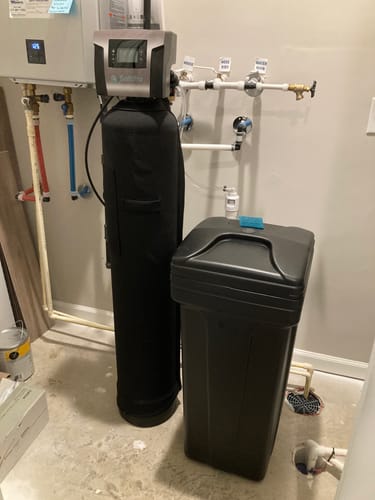
The iron concentration in your source water is one of the biggest variables we see people overlook when estimating media lifespan. Standard media lasts 6-8 years, but once iron exceeds 0.3 mg/L, you're accelerating that timeline considerably. Push past 5 ppm, and you're looking at urgent replacement territory.
Iron levels above 0.3 mg/L quietly accelerate media breakdown—exceed 5 ppm, and replacement becomes urgent.
Water usage compounds this further. Higher household demand means more contaminated water cycling through your media, exhausting its capacity faster. It's a double-edged equation—more water, more iron exposure, shorter lifespan.
Here's what we recommend watching for: red staining, foul odors, or dropping water pressure. These aren't minor inconveniences; they're your system telling you the media's overwhelmed.
Understanding these two variables together gives you genuine control over your filter's performance and longevity.
5 Warning Signs Your Activated Carbon Iron Filter Media Is Failing
Knowing what shortens your media's lifespan is only half the battle—recognizing when it's actually failing is where most homeowners drop the ball.
Watch for these red flags: discolored or cloudy water signals your carbon's losing its filtration effectiveness. Foul odors mean its adsorption capacity is exhausted—it simply can't pull contaminants out anymore. A noticeable drop in flow rate tells you the media's clogged or saturated.
We'd also recommend periodic water testing; elevated ammonia, nitrite, or nitrate levels confirm your carbon isn't removing impurities the way it should. None of these symptoms appear randomly—they're your system communicating a real problem.
Catch them early through regular visual checks and water quality assessments, and you'll stay ahead of costly water quality failures.
What Happens If You Skip Carbon Iron Filter Media Replacement?
Skipping carbon iron filter media replacement doesn't just degrade water quality—it triggers a chain reaction of problems that get progressively harder and more expensive to fix.
First, adsorption capacity drops, letting impurities slip through and clouding your water.
Then, saturated media starts releasing previously trapped contaminants back into your system—a process called desorption—introducing odors and tastes you'd worked hard to eliminate.
In aquarium setups, that contamination can harm or kill aquatic life.
Physically, over-saturated media restricts water flow, forcing your system to strain against reduced pressure.
Left unchecked, that stress compounds into plumbing damage and costly repairs.
The pattern's clear: every skipped replacement compounds the damage, turning a simple maintenance task into an expensive, time-consuming recovery project.
Is It Cheaper to Replace Your Filter Media or Just Maintain It?
When it comes to filter media, most of us instinctively assume replacement is the bigger expense—but maintenance costs tell a more nuanced story.
Regular upkeep—backwashing, cleaning, timely inspections—runs $100–$150 per visit, extending media life well beyond the standard 6–8 years. Skip that routine, and you're looking at $350–$800 in plumbing damage plus emergency replacements.
| Cost Scenario | Estimated Range |
|---|---|
| Proactive maintenance visit | $100–$150 |
| Routine media replacement | $200–$350 |
| Neglect-related repairs | $350–$800 |
| Extended media lifespan savings | Significant long-term reduction |
Maintenance clearly wins on cost efficiency. We're not just delaying replacement—we're preventing the cascading failures that make replacement feel inevitable. The smarter investment isn't reactive; it's consistent.
Frequently Asked Questions
How Long Does Activated Carbon Last in a Water Filter?
We recommend replacing activated carbon every 4 to 6 weeks, though your tank's bioload and feeding habits can accelerate saturation. Watch for cloudy water or odors—they're telling you it's time.
What Are the Disadvantages of an Activated Carbon Filter?
Activated carbon filters can't remove all contaminants—they struggle with minerals, metals, iron, and sulfur. They'll also saturate over time, harbor bacteria if neglected, and release trapped impurities, causing foul tastes and odors in your water.
What Is the Life Expectancy of an Iron Filter?
Iron filter media typically lasts 6 to 8 years, but that's not guaranteed. Your water's iron concentration and household usage patterns can considerably shorten that lifespan, especially if iron levels exceed 0.3 mg/L.
How Do You Know if Your Carbon Filter Is Bad?
We can spot a failing carbon filter by watching for turbid or discolored water, foul odors, reduced flow rates, rising ammonia or nitrate levels, and stressed fish—all clear signs it's time for replacement.






