


![SoftPro™ Chlorine+ Carbon Whole House Water Filter to Remove PFAS, Chlorine, Chloramine & Pesticides [City Water Filters Series]](http://www.softprowatersystems.com/cdn/shop/files/SoftPro_Whole_House_Carbon_Filter_with_Spin_Down_Water_Filter.webp?v=1783547361&width=140)


 855-683-8488


The Appliance Lifespan Cost of Not Having an Iron Filter

Without an iron filter, your appliances are fighting a losing battle. Unfiltered iron causes corrosion and sediment buildup that forces appliances to work harder, driving up energy bills while cutting their lifespan by roughly 25%. Water heaters, dishwashers, and washing machines can cost you over $2,500 in replacements — plus $1,000 annually in repairs. An iron filter costing $1,000–$5,000 can extend appliance life by 5–10 years, and the real numbers tell an even more compelling story.
Key Takeaways
- Without an iron filter, appliances lose approximately 25% of their lifespan due to corrosion and sediment buildup.
- Iron-damaged appliances consume more energy, directly increasing monthly utility bills over time.
- Water heaters, dishwashers, and washing machines face repair costs exceeding $2,000 without iron filtration.
- Annual plumbing repairs from unchecked iron buildup average $1,000, compounding financial losses yearly.
- Installing an iron filter costing $1,000–$5,000 extends appliance life by 5–10 years, offsetting replacement costs.
How Iron Destroys Your Appliances Without a Filter

When iron runs unchecked through your home's water supply, it quietly wages war on your appliances. It builds up inside water heaters and dishwashers, forcing them to work harder, consuming more energy, and driving up your utility bills.
Over time, that relentless buildup shaves roughly 25% off your appliances' lifespans—meaning replacements arrive far sooner than they should.
Here's where it gets costly: repairs from corrosion and iron-driven inefficiency average over $2,500.
That's money gone before you've even considered replacement costs. Rust-colored stains also form inside appliances, creating constant cleaning headaches while degrading the quality of your drinking and cooking water.
Iron doesn't announce itself—it just erodes your investment silently, steadily, and expensively.
The damage compounds faster than most homeowners expect.
Which Appliances Suffer Most From Unfiltered Iron?
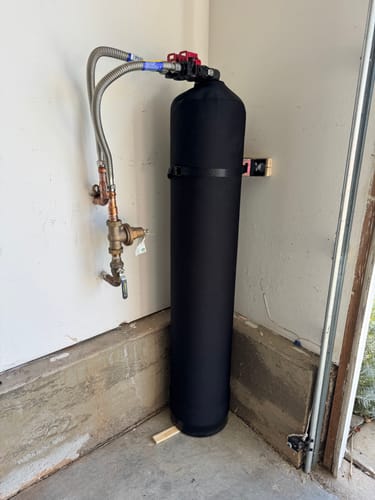
Iron doesn't play favorites—it damages nearly every water-using appliance in your home, but some take the hit harder than others. Water heaters, dishwashers, and washing machines absorb the worst punishment, with repair bills that quietly snowball over time.
| Appliance | Primary Damage | Potential Cost |
|---|---|---|
| Water Heater | Corrosion & sediment | $2,000+ |
| Dishwasher | Shortened lifespan | Elevated energy bills |
| Washing Machine | Staining & internal damage | Frequent replacements |
We've seen homeowners blindsided by these costs simply because iron went unchecked for years. Ice makers and plumbing fixtures suffer too—rust stains, reduced flow, and eventual failure. Every appliance connected to your water supply is quietly losing ground without proper iron filtration protecting it.
What Iron-Damaged Appliances Cost You Per Year
The numbers hit hard when you add them up. Iron damage quietly slashes appliance lifespan by around 25%, and replacement costs alone can exceed $2,500 over time.
That's before factoring in the energy bills climbing as iron-clogged appliances strain harder to perform basic functions.
Iron-clogged appliances don't just struggle—they silently drive your energy bills higher every single month.
Plumbing repairs average $1,000 annually when iron buildup goes unchecked. Add hundreds more in extra maintenance on water heaters and dishwashers, and you're staring at a recurring financial drain that compounds every year you wait.
Here's the sharper truth: an iron filter's annual savings can directly offset these costs. Unfiltered water doesn't just damage appliances—it taxes your wallet continuously.
Protecting your system now means stopping a slow, expensive bleed before it empties your budget entirely.
Iron Filter vs. Appliance Replacement: Real Numbers
Replacing a water heater or dishwasher wrecked by iron buildup easily runs $2,500 or more—and that's just one appliance. Stack in a washing machine, and you're looking at thousands more.
Without an iron filter, you're also absorbing up to $1,000 annually in repairs before that inevitable replacement arrives.
Now compare that to an iron filter. Installation runs $1,000–$5,000, but it extends appliance life by 5–10 years. That's years of avoided replacements, fewer repair calls, and lower operating costs from appliances actually running efficiently.
The math isn't complicated—one prevented water heater replacement alone can recover your filter investment entirely.
We're not talking about a luxury upgrade here. We're talking about protecting thousands of dollars in equipment you already own.
How Much Longer Appliances Last With an Iron Filter
Without an iron filter, most appliances are quietly losing years off their lifespan—up to 25% shorter than they should be. That's real money walking out the door.
Here's what changes when you add proper iron filtration:
| Appliance Condition | Without Iron Filter | With Iron Filter |
|---|---|---|
| Average Lifespan | 3–5 years | 5–10 years |
| Wear & Tear | Accelerated | Minimized |
| Replacement Costs | Frequent, costly | Considerably reduced |
We're talking about doubling the functional life of your water heater and dishwasher simply by removing iron before it causes damage. Efficient appliances also mean fewer repairs sneaking up on you. An iron filter isn't an expense—it's the protection your appliances desperately need.
Frequently Asked Questions
How Much Does It Cost to Maintain an Iron Filter?
We're looking at $40–$100 annually for basic maintenance, or $300–$500 for professional servicing. DIY media replacement keeps costs between $50–$150, saving us up to 70% while protecting our system's long-term performance.
Do Iron Filters Really Work?
Yes, they absolutely work! We've seen iron filters tackle both dissolved and visible rust iron that standard filters can't handle, protecting your appliances and preventing costly repairs that can exceed $2,500.
What Is the Life Expectancy of an Iron Filter?
We'll typically get 5 to 10 years from a well-maintained iron filter. Premium media like Katalox Light stretches that lifespan further, while neglecting maintenance can slash it down to just 3 to 5 years.
What Is the Cheapest Way to Remove Iron From Well Water?
We've found the cheapest way to remove iron from well water is a DIY sediment filter or water softener, costing as little as $50 in parts, with annual maintenance running just $40–$150.






