


![SoftPro™ Chlorine+ Carbon Whole House Water Filter to Remove PFAS, Chlorine, Chloramine & Pesticides [City Water Filters Series]](http://www.softprowatersystems.com/cdn/shop/files/SoftPro_Whole_House_Carbon_Filter_with_Spin_Down_Water_Filter.webp?v=1783547361&width=140)


 855-683-8488


Bypass Valve for Iron Filter Systems: Types, Installation Requirements, and When to Use It

A bypass valve lets us reroute water around our iron filter without cutting off the whole house supply. We can choose from push/pull valves, knob-operated valves, or three-valve configurations depending on how much control we need. We'll use one when swapping cartridges, fixing leaks, or troubleshooting regeneration issues. Installing one means shutting off the main supply, using Teflon tape, and confirming flow direction. Stick with us and we'll walk you through everything you need to know.
Key Takeaways
- The three main bypass valve types are push/pull valves, knob-operated valves, and three-valve configurations, each offering different levels of control and convenience.
- Install the bypass valve on the main cold water supply line before the filter, using Teflon tape on all threaded connections for tight seals.
- Engage the bypass valve when replacing filter cartridges, detecting leaks, or when salt has run out and needs flushing.
- Common bypass valve problems include inconsistent water pressure, leaks around connections, and toggle mechanism issues caused by mineral buildup or debris.
- Contact a licensed plumber if your installation involves complex rerouting, incompatible pipe sizes, or outdated plumbing in older homes.
Which Bypass Valve Does Your Iron Filter Actually Need?

When it comes to keeping your iron filter running smoothly, choosing the right bypass valve makes all the difference.
We've seen homeowners struggle with unnecessary downtime simply because they grabbed the wrong valve type.
Your three main options are push/pull valves, knob-operated valves, and three-valve bypass configurations. Each one handles water redirection differently, and your ideal choice depends on how frequently you're servicing your system and how much control you want during that process.
Three-valve configurations offer the most precise control, making them our recommendation for serious setups. Push/pull valves are faster but sacrifice some flexibility.
Before purchasing anything, check your local plumbing codes.
Compliance isn't optional, and the wrong valve installation can compromise both performance and safety. Choose wisely upfront, and you'll thank yourself later.
When Should You Bypass Your Iron Filter?
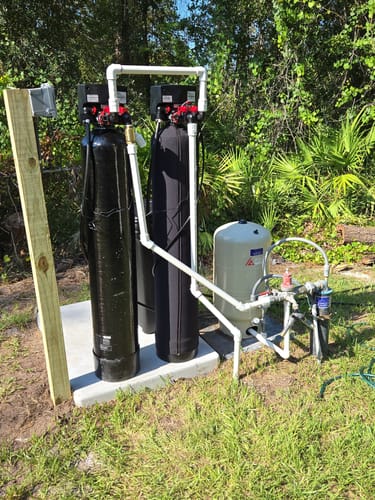
Once you've picked the right bypass valve, knowing when to actually use it saves you headaches down the road.
Swap out your filter cartridge? Engage the bypass first — you'll keep water flowing without interruption.
Spot a leak at the filter or brine tank? Bypass it immediately to stop waste and protect your plumbing while you fix the problem.
If your system's regenerating constantly, use the bypass to confirm your timing settings aren't burning through unnecessary water.
Detecting hard water suddenly? Check whether your bypass valve accidentally shifted open, letting untreated water sneak through.
And if you've run out of salt for a while, bypass the system until it's fully flushed and reset — otherwise, you're just pushing compromised water through restored equipment.
How to Install a Bypass Valve on Your Iron Filter
Installing a bypass valve isn't complicated, but doing it right the first time saves you from soggy floors and wasted effort.
Start by shutting off the main water supply and draining the system completely—skipping this step turns a simple job into a mess.
Position the valve on the main cold water supply line before your iron filter, where you'll actually reach it during maintenance.
Wrap Teflon tape on every threaded connection; it's the difference between a tight seal and a slow drip that ruins your day.
Before tightening everything down, confirm the flow direction arrows align with your plumbing.
Once installed, toggle between bypass and service positions while inspecting every joint for leaks. A quick test now prevents a costly headache later.
How to Fix Common Iron Filter Bypass Valve Problems
Even the best-installed bypass valve can throw a curveball, but most problems boil down to a handful of fixable issues.
If you're noticing inconsistent water pressure, check your valve's alignment first—improper positioning is usually the culprit. For leaks around the connections, inspect your seals and tighten the fittings. Adding Teflon tape creates a reliable barrier against stubborn drips.
Inconsistent water pressure? Check valve alignment, inspect seals, tighten fittings, and add Teflon tape to stop stubborn leaks.
Struggling to toggle the valve? Mineral buildup or debris is likely jamming the mechanism. A thorough inspection and cleaning typically restores smooth movement.
We'd also recommend regularly testing your valve by toggling between positions—it's a simple habit that prevents bigger headaches during maintenance.
And always consult your manufacturer's guidelines, since each iron filter model carries its own quirks requiring specific solutions.
When to Call a Plumber for Iron Filter Bypass Work
While DIY fixes handle most bypass valve issues, some situations genuinely call for a licensed plumber.
Complex plumbing rerouting for pressure and flow adjustments is one clear signal—mistakes there can damage your entire system.
Older homes present another challenge. Outdated plumbing often complicates bypass valve installation in ways we don't anticipate until we're already mid-project.
A plumber brings the experience to navigate those surprises efficiently.
Incompatible pipe sizes, local code compliance, and manufacturer specifications are additional areas where professional expertise pays for itself.
Getting these wrong creates costly corrections later.
Ultimately, trust your instincts.
If a task feels beyond your comfort level and risks damaging your iron filter system or existing plumbing, calling a plumber isn't defeat—it's smart decision-making.
Frequently Asked Questions
Where Should a Bypass Valve Be Installed?
We recommend installing your bypass valve on the main cold water supply line, directly before the iron filter. Position it close to the filter unit so you'll always have easy maintenance access without interrupting your water supply.
Do You Need a Bypass Valve to Install a Water Filtration System?
You don't need a bypass valve to install a water filtration system, but we strongly recommend it. It lets you maintain water access during servicing, saving you from costly, inconvenient shutdowns when your system needs attention.
What Is the Purpose of a Bypass Valve in a Filter?
A bypass valve lets us divert water around your filter during maintenance, so you're never without water service. It's your safety net—keeping toilets flushing and dishes washing while we service the system.
Why Must a Bypass Valve Be Installed?
We must install a bypass valve to keep water flowing during maintenance or repairs. Without one, you'd lose all water access, frustrating everyone and complicating any troubleshooting when your iron filter needs servicing.






