


![SoftPro™ Chlorine+ Carbon Whole House Water Filter to Remove PFAS, Chlorine, Chloramine & Pesticides [City Water Filters Series]](http://www.softprowatersystems.com/cdn/shop/files/SoftPro_Whole_House_Carbon_Filter_with_Spin_Down_Water_Filter.webp?v=1783547361&width=140)


 855-683-8488


Clear Water Ferrous vs. Red Water Ferric Iron: Water Test Differences and What Each Means

Ferrous iron is the "clear water" type — it's fully dissolved and invisible, yet still causes staining and damage above 0.3 mg/L. Ferric iron is the "red water" type, showing up as those familiar reddish-brown particles. Your water test results reveal exactly which form you're dealing with, and that distinction completely changes how you treat it. Understanding both types helps you protect your home far more effectively than you might expect.
Key Takeaways
- Ferrous iron (+2) dissolves invisibly in water, while ferric iron (+3) appears as visible reddish-brown particles.
- Water tests identify ferrous iron as dissolved concentration and ferric iron as measurable particulate matter.
- Clear water can still contain high ferrous iron levels, making visual inspection an unreliable detection method.
- Both iron types cause staining and damage above 0.3 mg/L, despite their different physical appearances.
- Sediment filters only capture ferric iron; specialized systems are required to treat dissolved ferrous iron effectively.
What's the Real Difference Between Ferrous and Ferric Iron?

When it comes to iron in your water, not all iron is created equal — and knowing the difference can save you a lot of headaches.
Ferrous iron, or clear water iron, carries a +2 oxidation state, making it fully dissolved and invisible in water. You won't see it coming.
Ferric iron, on the other hand, carries a +3 oxidation state and shows up as those familiar reddish-brown particles clouding your water.
Here's where it gets practical: ferrous iron oxidizes when exposed to oxygen, converting directly into ferric iron.
That's when staining and discoloration begin damaging your fixtures and laundry. Understanding which form you're dealing with determines your entire treatment strategy — because what works for one won't work for the other.
What Your Water Test Results Actually Reveal About Iron?
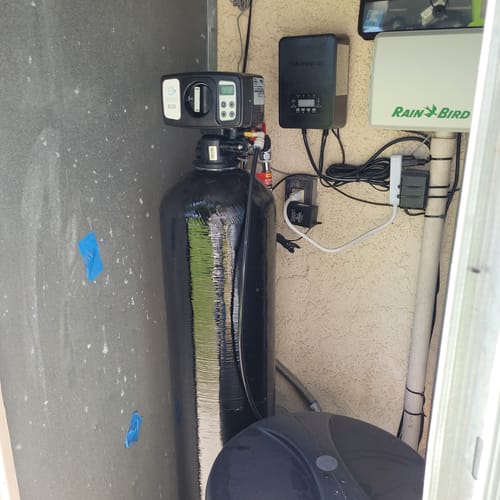
Once you get your water test results back, they're telling you more than just a number — they're revealing exactly which form of iron you're dealing with and how serious the problem is.
Ferrous iron shows up as a dissolved concentration, invisible to the naked eye, while ferric iron appears as measurable particulate matter. Anything above 0.3 mg/L becomes problematic, causing staining and aesthetic damage.
Ferrous iron hides in plain sight. Ferric iron doesn't — but both will ruin your water above 0.3 mg/L.
Here's what makes laboratory analysis so valuable: it distinguishes between both iron types precisely, so we're not guessing at treatment solutions. That distinction matters enormously because ferrous and ferric iron each demand completely different filtration strategies.
Knowing which oxidation state dominates your water means we can target the exact problem rather than applying a generic, ineffective fix.
Why Is Ferrous Iron So Easy to Miss?
Ferrous iron earns its nickname "clear water iron" for an obvious reason — it's completely invisible while dissolved in water, making it nearly impossible to detect without proper testing. Your water can look perfectly clean straight from the tap, yet still carry significant iron levels. That's a deceptive combination.
Here's where homeowners typically go wrong: they assume clear water means clean water.
But ferrous iron only reveals itself after oxidizing into ferric iron — that familiar reddish-brown staining appears on fixtures and laundry, and the metallic taste surfaces when water sits exposed to air.
What Happens When Ferrous Iron Goes Untreated at Home?
So now that we recognize ferrous iron hides in plain sight, let's talk about what actually happens when we ignore it. The consequences build quietly but hit hard:
- Staining and discoloration – Ferrous iron oxidizes into ferric iron, leaving reddish-brown stains on fixtures and turning laundry an unsightly color once levels exceed 0.3 ppm.
- Pipe accumulation and clogs – Iron deposits build inside pipes, restricting water flow and driving up maintenance costs over time.
- Damaged appliances and unpleasant taste – Prolonged exposure shortens appliance lifespans, while the metallic taste discourages proper hydration.
Each consequence compounds the next. What starts as invisible iron in clear water becomes a costly, frustrating problem that proper testing and early treatment easily prevent.
Which Filter Works Best for Ferrous or Ferric Iron?
Choosing the right filter depends entirely on which type of iron you're dealing with—and sometimes both show up at once.
Sediment filters trap ferric iron effectively, but ferrous iron slips right through because it's dissolved in water. That's where specialized systems make a real difference.
Ferrous iron dissolves completely in water—sediment filters never see it coming, letting it pass through undetected.
For ferrous iron, we recommend backwashing filters containing oxidizing minerals—they convert ferrous iron into ferric iron first, then capture it.
Terminox® filters handle both types without salt or chemical maintenance, making them a powerful all-in-one solution. For stubbornly high ferrous iron concentrations, the Impression Plus Series delivers the performance needed.
Here's the key takeaway: don't guess.
Regular water testing identifies exactly what's present and at what concentration, so we're selecting solutions that actually solve the problem.
Frequently Asked Questions
Can Ferrous Iron Affect the Taste and Smell of Drinking Water?
Yes, ferrous iron absolutely affects your water's taste and smell! You'll notice a metallic, bitter flavor and sometimes a faint sulfur-like odor. Even low concentrations can make your drinking water noticeably unpleasant.
Is Iron in Well Water Dangerous to Human Health Long-Term?
Iron in well water isn't typically dangerous long-term, but it can stress your kidneys over time and worsen conditions like hemochromatosis. We recommend testing regularly and treating elevated levels before they become a health concern.
How Often Should Homeowners Test Their Water for Iron Levels?
We recommend testing your well water for iron annually, but if you notice discoloration, staining, or metallic taste, test immediately. Seasonal changes and nearby agricultural activity can also shift iron levels unexpectedly.
Can Iron Bacteria Coexist With Ferrous or Ferric Iron in Water?
Yes, iron bacteria can coexist with both ferrous and ferric iron. They feed on dissolved iron, oxidizing ferrous into ferric iron while creating slimy biofilms—making your contamination problem considerably worse and harder to treat effectively.
Does Boiling Water Remove or Reduce Iron Concentrations Effectively?
Boiling won't remove iron from your water — it actually concentrates it. To effectively reduce iron, you'll need filtration, ion exchange softeners, or oxidation systems tailored to whether you're dealing with ferrous or ferric iron.






