


![SoftPro™ Chlorine+ Carbon Whole House Water Filter to Remove PFAS, Chlorine, Chloramine & Pesticides [City Water Filters Series]](http://www.softprowatersystems.com/cdn/shop/files/SoftPro_Whole_House_Carbon_Filter_with_Spin_Down_Water_Filter.webp?v=1783547361&width=140)


 855-683-8488


Commercial-Grade Iron Filtration Solutions for Exceptionally High-Demand Residential Properties

When standard iron filters fail high-demand homes, the problems show up fast — clogged pipes, rust-stained laundry, and appliances breaking down ahead of schedule. If your home has more than three bathrooms or iron levels above 15 PPM, you need commercial-grade filtration built for those realities. We're talking systems that handle up to 30 PPM of iron and flow rates reaching 604.8 GPM. The right solution is closer than you think, and we'll show you exactly how to find it.
Key Takeaways
- Standard iron filters fail high-demand homes, as mid-range systems handle only 4–15 PPM while household needs can exceed 30 PPM.
- Progressive flow systems deliver up to 604.8 GPM, making them ideal for exceptionally high-demand residential properties requiring constant filtration.
- Commercial-grade filters remove iron up to 30 PPM, plus sulfur and manganese, addressing multiple contaminants simultaneously.
- A detailed water analysis is essential for selecting the right system capacity and matching flow rates without pressure drops.
- Air injection oxidation systems are recommended for heavy iron and sulfur problems, with corrosion-resistant components ensuring long-term durability.
Why Standard Iron Filters Fail High-Demand Homes

When a home runs on more than three bathrooms, standard iron filters often buckle under the pressure.
We've seen it repeatedly—mid-range systems handling only 4–15 PPM of iron while a household's actual demand pushes well beyond 30 PPM. The result? Clogged pipes, failing appliances, and a filtration system that's working overtime yet underdelivering.
Conventional filters compound the problem through chemical oxidation methods that wear out media every 3–5 years, driving up long-term costs precisely when contamination is already severe.
These systems weren't engineered for high-demand realities. They're built for average conditions, and your home isn't average.
Understanding where standard filters break down is the first step toward choosing a solution that genuinely matches your property's iron removal requirements.
Simplex, Duplex, and Progressive Flow: Which Type Do You Need?
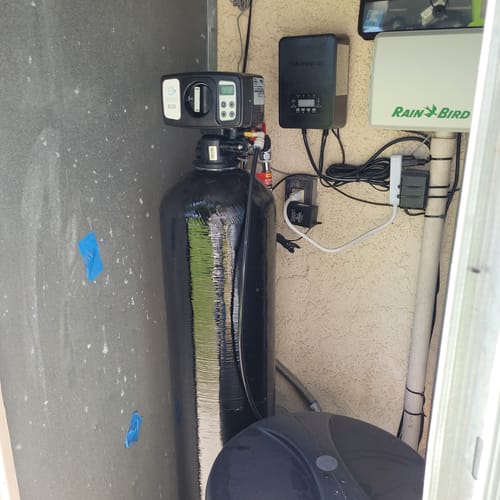
How much water does your home actually move in a day? That answer determines everything.
We categorize solutions into three purpose-built tiers:
- Simplex — Handles 0.9–100.8 GPM across 12-hour cycles, perfect for moderate residential demand where downtime's acceptable.
- Duplex Alternating — Runs continuously for 24 hours at 0.9–39.3 GPM, letting us service one tank while the other keeps your water flowing uninterrupted.
- Progressive Flow — Our heaviest hitter, delivering up to 604.8 GPM around the clock for properties where demand never sleeps.
Choosing incorrectly doesn't just mean poor filtration—it means your system's constantly overwhelmed.
We analyze your peak demand and contaminant profile together, then match you to the system that performs exactly when you need it most.
Commercial Iron Filter Specs That Actually Matter: Flow Rate and Capacity
Two numbers tell us everything we need to know about whether a commercial iron filter will actually work for your property: flow rate and capacity. Get these wrong, and you're left with pressure drops, untreated water, and frustrated households.
Flow rate ranges matter enormously. Simplex systems handle 0.9 to 100.8 GPM across a 12-hour window—solid for moderate demand.
Need continuous service? Duplex alternating systems run 24 hours at 0.9 to 39.3 GPM, never going offline.
For high-demand properties, progressive flow models scale aggressively from 0.9 all the way to 604.8 GPM.
Capacity works alongside flow rate. Commercial-grade filters handle significant iron and manganese loads, meaning even severely contaminated water sources get proper treatment.
Match both specs correctly, and your system performs exactly as expected—every time.
Iron, Sulfur, and Manganese: What Commercial Filtration Systems Actually Remove
Iron, sulfur, and manganese—three contaminants that turn well water into a headache. Commercial-grade systems tackle all three decisively, using air injection and chemical oxidation to restore what your water should've been all along.
Here's what we're actually eliminating:
- Iron (up to 30 PPM): Those rust-colored stains coating your fixtures and laundry? Gone.
- Sulfur: That rotten-egg smell forcing you to hold your breath at the tap? Neutralized.
- Manganese: The black residue quietly damaging your plumbing and appliances? Removed.
But here's what matters—before selecting any system, we need a thorough water analysis. Contaminant type and concentration dictate the right treatment method.
Without that data, we're guessing. And guessing costs you.
How to Choose the Right Commercial Iron Filter for Your Property
Choosing the right commercial iron filter comes down to four things: your iron levels, your flow rate demands, the system's durability, and what kind of warranty backs it up.
Start with a detailed water analysis — high-capacity systems handle up to 30 PPM, so you need exact numbers before committing. Next, match your flow rate. Commercial-grade filters range from 0.9 to 604.8 GPM, meaning there's no excuse for pressure drops.
For heavy iron and sulfur problems, we'd recommend air injection oxidation systems — they're self-cleaning, low-maintenance, and built for punishment.
Finally, don't overlook build quality and warranty coverage. Corrosion-resistant components and lifetime warranties on key parts aren't luxuries here — they're the difference between a system that lasts and one that fails you.
Frequently Asked Questions
How Often Should Commercial Iron Filters Be Professionally Inspected and Serviced?
We recommend you schedule professional inspections every six months. Catching early wear, verifying flow rates, and recalibrating backwash cycles keeps your system performing at peak capacity and prevents costly iron breakthrough failures.
Can Commercial Iron Filters Be Integrated With Existing Home Plumbing Systems?
Yes, we can integrate commercial iron filters seamlessly into your existing plumbing. We'll assess your current setup, identify the ideal entry point, and retrofit the system—ensuring you're maximizing filtration performance without disrupting your home's infrastructure.
What Is the Average Lifespan of a Commercial-Grade Iron Filtration System?
We've seen commercial-grade iron filtration systems last anywhere from 15 to 25 years when you maintain them properly. Consistent backwashing, timely media replacement, and regular inspections are what'll push yours toward that upper range.
Are Commercial Iron Filters Safe for Households With Young Children or Elderly?
Yes, they're absolutely safe! We've designed these systems to remove harmful iron contaminants, giving your family cleaner, healthier water. For young children and elderly members, that protection isn't just convenient—it's essential for their long-term wellbeing.
How Do Extreme Weather Conditions Affect Commercial Iron Filter Performance?
Extreme weather can challenge your system's performance, but we've seen that proper insulation and pressure regulation keep commercial iron filters running reliably through freezing temps, heavy rainfall, and drought-driven sediment surges.






