


![SoftPro™ Chlorine+ Carbon Whole House Water Filter to Remove PFAS, Chlorine, Chloramine & Pesticides [City Water Filters Series]](http://www.softprowatersystems.com/cdn/shop/files/SoftPro_Whole_House_Carbon_Filter_with_Spin_Down_Water_Filter.webp?v=1783547361&width=140)


 855-683-8488


7 Common Mistakes in Greensand Iron Filter Regeneration — And How to Avoid Every One

The seven most common greensand iron filter regeneration mistakes include skipping potassium permanganate monitoring, ignoring pH imbalances, regenerating too late, neglecting injector maintenance, undersizing for high iron levels, missing backwash schedules, and failing to keep regeneration logs. Each mistake quietly compounds until iron breaks through and media fails completely. We'll show you exactly what's going wrong inside your system and how to stop every one of these mistakes before they cost you.
Key Takeaways
- Skipping backwash beyond 2-4 weeks clogs media irreversibly; high-iron environments require backwashing every three days minimum.
- Potassium permanganate below 0.5 ppm causes incomplete oxidation, allowing iron to bypass filtration and compromise water quality.
- Delayed regeneration causes media exhaustion; iron breakthrough exceeding 2 ppm signals the media is overwhelmed.
- pH below 6.0 stalls iron oxidation; maintain levels between 6.5 and 8.5 for efficient removal.
- Clogged injectors hinder brine draw and stall regeneration; clean injector assemblies every 2-3 years to prevent failures.
Skipping Potassium Permanganate Monitoring Kills Iron Removal

One of the fastest ways to sabotage a greensand filter's performance is neglecting potassium permanganate monitoring.
When levels drop below 0.5 ppm, oxidation becomes incomplete, and iron slips right through your filtration system undetected. That's a costly problem hiding in plain sight.
Below 0.5 ppm, oxidation fails — and iron moves through your filter completely undetected.
Overdosing creates equally serious trouble — excessive concentrations cause purple discoloration and foul your filter media, turning a fixable issue into an expensive replacement project.
Here's what consistent monitoring actually buys you: precise dosing that keeps your greensand filter performing at peak efficiency for iron and manganese removal, plus extended media lifespan that protects your investment long-term.
We recommend establishing a routine testing schedule.
It's the simplest, most impactful discipline you can build into your filtration maintenance program.
pH Imbalances Quietly Wreck Greensand Performance
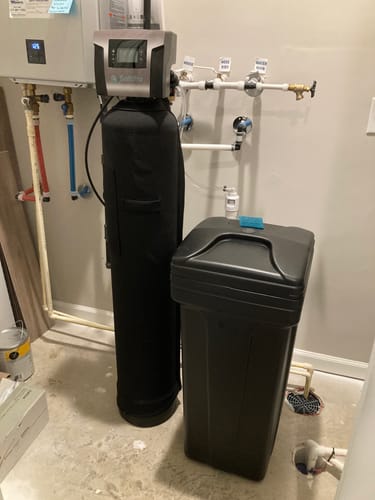
pH is the silent variable that can quietly dismantle everything your greensand filter works to accomplish.
When pH drops below 6.0, iron oxidation stalls — and unoxidized iron slips right through your media into treated water. That's a failure hiding in plain sight.
We need to keep pH between 6.5 and 8.5 for ideal removal.
Outside that window, we're not just losing efficiency — we're accelerating greensand media degradation, which means premature replacement and rising maintenance costs.
High TDS levels and pollutants compound the problem by destabilizing that balance further.
The fix? Regular pH monitoring and targeted chemical additives to maintain that sweet spot.
Don't let a number you're not watching become the reason your entire filtration system underperforms.
Regenerating Too Late Exhausts Your Greensand Media
Timing is everything when it comes to greensand regeneration — wait too long, and we're not just dealing with a sluggish filter, we're facing irreversible media exhaustion.
Once oxidized iron coats the media too heavily, standard regeneration won't recover it. Here's what delayed regeneration actually costs us:
- Iron breakthrough — levels exceeding 2 ppm signal the media's already overwhelmed
- Thick iron coating — demands aggressive cleaning that degrades greensand faster
- Shortened lifespan — media that should last 5 years fails prematurely
- Escalating contamination — unfiltered iron compounds downstream problems quickly
We prevent this by monitoring water quality consistently and honoring scheduled regeneration cycles.
Mastering timing isn't optional — it's the difference between a filter that performs and one that quietly fails us.
Dirty Injectors Block Brine Draw and Stall Regeneration
Behind every failed regeneration cycle, there's often a culprit we overlook — a clogged injector quietly blocking brine draw.
When injectors get coated with mineral buildup, brine can't move through the system effectively, and regeneration stalls entirely.
Here's what that means practically: your greensand media isn't getting cleaned, iron breakthrough increases, and operational costs climb.
We recommend cleaning injector assemblies every 2-3 years — don't wait for performance to visibly decline.
Regular visual inspections let us catch partial clogs early, before they escalate into full regeneration failures.
The mistake most people make is treating injectors as set-and-forget components.
They're not. Neglecting them doesn't just stall one regeneration cycle — it compounds filtration problems system-wide, undermining everything we've invested in maintaining clean, iron-free water.
High Iron Concentrations Your System Wasn't Sized to Handle
When iron concentrations exceed what your system was designed to handle, even a well-maintained greensand filter can't keep up.
Most systems sized for under 2 ppm will buckle under higher loads, causing iron bypass and water quality failures.
Watch for these sizing pitfalls:
- Underestimating peak surges — brief concentration spikes overwhelm filter capacity just as severely as sustained high levels
- Ignoring average-versus-actual gaps — design specs based on averages miss the real-world variability that breaks systems
- Skipping regular water testing — without current data, you won't know when concentrations have crept past your system's threshold
- Delaying media upgrades — staying undersized drives up maintenance costs and accelerates media failure
Size for your worst day, not your average day.
Neglecting Backwash Frequency Turns Media Into a Clogged Mess
One of the easiest mistakes to make with a greensand filter is letting backwashing slide past that critical 2-4 week window, and the consequences hit fast.
When we skip or delay backwashing, oxidized iron accumulates, compacts the media, and chokes water flow to a frustrating trickle.
Let's walk through why backwash frequency is non-negotiable, what clogged media actually does to your system, and how to restore your filter's efficiency before the damage becomes permanent.
Backwash Frequency Matters
Skipping regular backwashing is one of the fastest ways to turn a functioning greensand filter into an expensive headache.
In high-iron environments, we recommend backwashing at least every three days to keep media performing at its peak.
Here's what happens when we let that schedule slip:
- Iron particles bind irreversibly to the media, making replacement unavoidable
- Accumulated sediment clogs the bed, slashing filtration efficiency
- Saturated media loses its ability to oxidize and capture iron effectively
- Minor neglect escalates into costly repairs that a simple schedule would've prevented
Sticking to a consistent backwash routine isn't just maintenance—it's protection.
We extend media lifespan, preserve filter performance, and avoid the compounding costs that come from letting small problems become permanent ones.
Media Clogging Consequences
The damage doesn't stop at a disrupted backwash schedule—it compounds. When we skip backwashing, iron and contaminants accumulate until the greensand media hardens into a near-solid layer.
That's when water pressure throughout the home drops noticeably—a clear signal the media can no longer do its job.
Here's what makes it worse: clogged media loses its oxidation capacity entirely. Iron levels climb, fixtures stain, and appliances suffer.
What started as a skipped maintenance step becomes an expensive repair or full media replacement.
Regular backwashing removes accumulated sediment and organic matter before any of this happens. It's not just preventive—it actively extends media lifespan and keeps filtration performance where it needs to be.
Consistent scheduling is non-negotiable if we want lasting results.
Restoring Filter Efficiency
Here's what keeps your Greensand filter performing at its best:
- Match backwash frequency to iron concentration—higher iron levels demand shorter intervals.
- Document every backwash cycle to spot patterns and prevent operational surprises.
- Follow manufacturer guidelines to extend media lifespan and protect your investment.
- Increase frequency proactively rather than reacting to declining water quality.
Consistency separates filters that last from filters that fail prematurely.
We control the outcome by respecting the schedule before problems force our hand.
No Regeneration Log Means Repeating the Same Greensand Failures
One of the easiest ways to repeat the same greensand failures is to skip keeping a regeneration log. Without one, we're fundamentally flying blind — unable to track backwashing frequency, chemical feed effectiveness, or patterns tied to iron levels and water usage.
Here's what that costs us: oversaturated media, reduced filtration efficiency, and rising operational expenses from unchecked iron buildup.
Worse, troubleshooting persistent issues becomes guesswork instead of precision.
A detailed log changes everything. It tells us when backwashing isn't cutting it, when chemical feed needs adjustment, and — critically — when media replacement is approaching that five-year mark.
We can't improve what we don't measure. Start logging every regeneration cycle, and we'll stop making the same expensive mistakes twice.
Frequently Asked Questions
How Often Should an Iron Filter Regenerate?
We recommend regenerating your iron filter every 2 to 4 days, but if your iron levels exceed 2 ppm, you'll need more frequent cycles to prevent oversaturation and maintain peak filtration performance.
Why Is My Water Softener Regeneration so Often?
Your softener's regenerating too often because it's likely handling excess iron it wasn't designed for. We recommend checking your iron levels—anything above 2 ppm overwhelms the system—and reviewing your programming settings to match actual household usage.
What Are Common Problems With Iron Filters?
We've seen iron filters struggle with excessive iron concentration, clogged media, pH fluctuations, iron bacteria buildup, and insufficient air draw during regeneration—each one quietly undermining your system's performance if left unchecked.
How Do You Maintain a Greensand Filter?
We'll keep our greensand filter performing at its peak by backwashing every 3-7 days, monitoring potassium permanganate levels, inspecting the air disperser regularly, and testing water iron concentrations and pH consistently.






