


![SoftPro™ Chlorine+ Carbon Whole House Water Filter to Remove PFAS, Chlorine, Chloramine & Pesticides [City Water Filters Series]](http://www.softprowatersystems.com/cdn/shop/files/SoftPro_Whole_House_Carbon_Filter_with_Spin_Down_Water_Filter.webp?v=1783547361&width=140)


 855-683-8488


SoftPro Iron Removal System Genuine Review: Real Results & Performance
Hi, I'm Serina Mehta. I live in California. Craig "The Water Guy" Phillips asked me to share my experience as a homeowner on Iron Filter I purchased. This is how my adventures played out. I hope this helps you in your decision.
Why I Desperately Needed an Iron Removal Solution
Did you know that iron contamination affects over 25% of private wells in the United States?
I certainly didn't until I became part of that statistic. When we moved into our new home eighteen months ago, I thought the reddish-brown stains appearing on our white porcelain fixtures were just temporary construction residue.
Boy, was I wrong.
Within three weeks, our beautiful white farmhouse sink looked like it belonged in a rust museum. The toilet bowls developed orange rings that no amount of scrubbing could remove. My wife's favorite white blouses started coming out of the wash with permanent yellowish stains. The final straw came when guests commented on the metallic taste of our water during a dinner party.
I had our well water tested and discovered we were dealing with 4.2 parts per million of iron – nearly three times the EPA's secondary standard of 1.5 PPM. The iron existed primarily in the dissolved ferrous state, making it invisible until it oxidized upon contact with air. This explained why our water looked clear coming from the tap but left stains everywhere it touched.
The impact went beyond aesthetics. Our water heater was accumulating sediment faster than normal, reducing efficiency. The dishwasher left spots on glassware despite using rinse aid. Even our coffee maker developed mineral buildup that affected taste. I calculated we were spending an extra $40 monthly on cleaning products, stain removers, and bottled water for drinking.
My Research Journey Into Iron Filtration Technologies
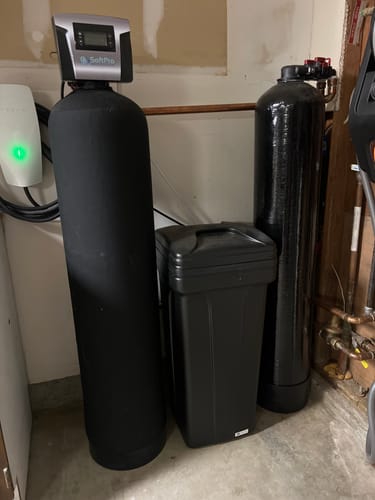
Determined to solve this problem permanently, I dove deep into iron removal technologies. I quickly learned that not all iron filters are created equal, and choosing the wrong system could waste thousands of dollars.
The market offered several approaches: traditional sediment filters (ineffective for dissolved iron), water softeners (limited iron removal capacity), and dedicated iron filtration systems using various oxidation methods. I researched air injection systems, chemical oxidation units, and catalytic media filters.
Air injection systems fascinated me initially. They work by introducing compressed air into the water stream, oxidizing dissolved ferrous iron into ferric particles that can be filtered out. However, I learned these systems require significant maintenance, including air compressor upkeep and frequent backwashing cycles.
Chemical oxidation systems using chlorine or potassium permanganate offered another route. While effective, they introduced additional chemicals into our water supply – something my family wanted to avoid. Plus, the ongoing chemical costs and safety considerations made this less appealing.
Catalytic media filters emerged as the most promising solution. These systems use specially designed filter media that catalyzes the oxidation of iron without chemicals or air injection. The media acts as both an oxidizer and filter, converting dissolved iron to particles and trapping them in a single step.
I prioritized systems certified by NSF International for iron reduction, adequate flow rates for our household of four, reasonable maintenance requirements, and proven track records. After comparing specifications, warranties, and user experiences across multiple platforms, I selected the SoftPro Iron Master system.
Unboxing and First Impressions of the Iron Master
The Iron Master arrived in surprisingly robust packaging – double-boxed with foam inserts protecting every component. The main unit impressed me immediately with its heavy-duty fiberglass tank and professional-grade control valve. At 54 inches tall and 13 inches in diameter, it commanded more space than anticipated but felt substantial and well-engineered.
The package included the main filtration tank, digital control head, bypass valve assembly, drain line fittings, and comprehensive installation manual. The control head featured a clear LCD display showing system status, remaining capacity, and regeneration countdown – a significant upgrade from basic timer-based systems I'd researched.
What struck me most was the build quality. The tank's fiberglass construction felt more durable than plastic alternatives, and the stainless steel internal components suggested longevity. The control valve moved smoothly through all positions, and electrical connections appeared well-sealed against moisture.
The documentation exceeded expectations. Instead of cryptic diagrams, the manual provided clear photographs of each installation step, detailed plumbing requirements, and troubleshooting guides. They even included a laminated quick-reference card for daily operation – a thoughtful touch.
My only initial concern was the system's footprint. Even with careful measurements, seeing the actual unit in our utility room made me realize how much space dedicated iron filtration requires. Fortunately, we had adequate clearance, but this would be challenging in smaller homes.
Installation Experience and Setup Process

I chose professional installation despite my plumbing experience, primarily because iron filter systems require precise positioning in the water line and proper drain connections. The certified installer arrived promptly and immediately assessed our existing plumbing configuration.
The installation required cutting into our main water line between the well pressure tank and household distribution. This necessitated a brief water shutoff while connections were made. The installer emphasized the importance of installing the system before any water softener, as iron can foul softener resin if not removed first.
Mounting the control head required careful attention to ensure proper drainage during backwash cycles. The installer ran a dedicated drain line to our utility sink, explaining that iron filters generate significant wastewater during regeneration – typically 100-150 gallons per cycle. This was higher than expected and something to consider for homes with septic systems.
The bypass valve installation proved crucial for future maintenance. This allows isolating the iron filter while maintaining water flow to the house – essential during media replacement or system service. The installer used high-quality ball valves rather than cheaper gate valves, explaining they provide better long-term reliability.
Programming the control head took about fifteen minutes. The installer input our water usage patterns, iron levels, and desired regeneration frequency. The system defaults to regenerating based on treated water volume rather than time, ensuring efficient media utilization. We set it for regeneration every 1,200 gallons initially, with plans to adjust based on performance.
The entire installation took approximately four hours, including system startup and initial backwashing. The installer ran a complete regeneration cycle to ensure proper operation and verified all connections for leaks. Total installation cost was $425, which seemed reasonable given the system's complexity.
Performance Testing and Real-World Results
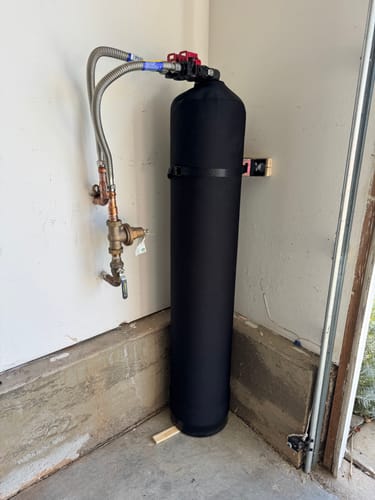
I documented our iron filter's performance meticulously, testing water quality before and after installation using both professional laboratory analysis and home test kits. The baseline test confirmed 4.2 PPM total iron with minimal bacterial iron contamination.
After the initial 48-hour settling period, I collected water samples from multiple household locations. The results were dramatic: iron levels dropped to 0.1 PPM throughout the house – well below the 0.3 PPM threshold where staining begins. The metallic taste disappeared entirely, and water clarity improved noticeably.
More importantly, the real-world benefits became apparent within days. New stains stopped appearing on fixtures, and existing stains gradually faded as we cleaned them without immediate re-contamination. Laundry emerged from the washer without iron discoloration, and our white clothing began looking properly white again.
The dishwasher performance improved dramatically. Glassware that previously emerged with cloudy spots now dried crystal clear. Even our coffee tasted better – the metallic notes that had become background noise disappeared, revealing the actual flavor profiles of our favorite blends.
I monitored the system's regeneration patterns closely. Initially set for every 1,200 gallons, I discovered our household actually triggered regeneration every 8-10 days. The system's demand-based regeneration proved more efficient than timer-based alternatives, adapting to our actual usage patterns rather than arbitrary schedules.
Flow rate remained excellent throughout testing. Even during peak usage periods – simultaneous shower, dishwasher, and washing machine operation – I measured minimal pressure drops. The system maintains 15 GPM flow rates, more than adequate for typical household demands.
After six months of operation, laboratory testing still showed iron levels below 0.2 PPM, confirming the system's consistent performance. The catalytic media showed no signs of fouling or capacity reduction, suggesting years of reliable operation ahead.
Daily Living Impact and Household Benefits
The iron filter's impact on our daily routine exceeded my expectations. Beyond eliminating stains and improving taste, subtle quality-of-life improvements emerged that I hadn't anticipated.
Bathroom cleaning became significantly easier. Instead of scrubbing iron stains weekly, simple routine cleaning now keeps fixtures spotless. My wife estimates we save 30 minutes weekly on bathroom maintenance alone. The toilet bowls stay white without constant attention, and shower doors remain clear much longer.
Our appliances began performing better almost immediately. The coffee maker that required weekly descaling now runs clean for months. The ice maker produces crystal-clear cubes instead of cloudy, metallic-tasting ones. Even our humidifiers run longer between cleanings since iron sediment no longer accumulates in the reservoirs.
Laundry improvements proved especially valuable. White shirts stay white, and colored fabrics maintain their vibrancy longer. We eliminated iron stain removal products from our shopping list, saving approximately $25 monthly on specialized detergents and cleaning supplies.
Unexpected benefits emerged in our garden. Before iron filtration, our outdoor spigot water left rust stains on concrete and killed delicate plants through iron toxicity. Now we confidently use household water for all gardening without worrying about plant damage or aesthetic issues.
Guest reactions provided external validation. Several visitors commented on our improved water taste without knowing about our iron filter installation. One friend, a chef, specifically mentioned how much better our coffee tasted compared to previous visits.
The psychological impact shouldn't be underestimated. We no longer feel embarrassed about our water quality or make excuses for stained fixtures. Entertaining feels natural again, and we've stopped automatically buying bottled water for cooking and drinking.
Operating Costs and Long-Term Efficiency
Understanding the true cost of iron filtration requires analyzing both obvious expenses and hidden savings. I've tracked every penny for eight months to provide accurate financial projections.
The system consumes approximately 150 gallons of water per regeneration cycle, occurring every 8-10 days in our household. At our local water rates, this adds roughly $12 monthly to utility bills. Electricity consumption for the control valve and regeneration process averages $3-4 monthly.
The major ongoing expense involves media replacement. The Iron Master uses catalytic carbon media with an expected lifespan of 3-5 years depending on iron levels and water usage. Replacement media costs approximately $180, translating to $36-60 annually when amortized.
However, the savings offset these costs significantly. We eliminated bottled water purchases ($35 monthly), reduced cleaning supply expenses ($25 monthly), and expect extended appliance lifespans due to reduced iron exposure. Our water heater efficiency improved measurably – heating costs dropped approximately 8% after iron removal reduced sediment accumulation.
Annual operating cost breakdown:
- Water for regeneration: $144
- Electricity: $42
- Media replacement (amortized): $48
- Total annual cost: $234
Annual savings:
- Bottled water elimination: $420
- Cleaning supplies: $300
- Improved appliance efficiency: $150
- Total annual savings: $870
The net annual benefit of $636 provides a strong return on investment, with payback occurring within the first 18 months of operation.
Honest Assessment of Limitations and Considerations
While I'm thoroughly satisfied with our iron filter, honesty requires acknowledging its limitations and potential drawbacks for certain situations.
Space requirements present the most obvious limitation. The system occupies significant floor space and requires adequate clearance for maintenance access. Homes with cramped utility areas might struggle to accommodate the full unit, particularly considering drain line routing requirements.
The regeneration process generates substantial wastewater – 150 gallons every 8-10 days in our household. For homes with septic systems, this additional load requires consideration, especially during wet seasons when soil absorption may be limited. The iron-rich backwash water can also stain driveways if not properly directed to appropriate drainage.
Installation costs add significantly to the initial investment. While DIY installation is possible for experienced plumbers, most homeowners require professional installation costing $400-600. The system also demands proper electrical connections and adequate drainage, potentially requiring additional infrastructure improvements.
Regeneration timing occasionally proves inconvenient. While the system typically regenerates during low-usage periods, unexpected timing can coincide with high-demand activities. The bypass valve allows continued water flow, but iron filtration temporarily ceases during regeneration cycles.
Very high iron levels (above 10 PPM) might overwhelm the catalytic media, requiring additional pre-treatment or more frequent media replacement. Bacterial iron contamination also necessitates chlorine shock treatment before iron filtration, adding complexity to the treatment process.
The system performs poorly with iron bacteria contamination, requiring pre-disinfection that some homeowners prefer to avoid. Additionally, the catalytic media cannot address other well water issues like hydrogen sulfide or high manganese levels, potentially requiring multiple treatment systems.






