


![SoftPro™ Chlorine+ Carbon Whole House Water Filter to Remove PFAS, Chlorine, Chloramine & Pesticides [City Water Filters Series]](http://www.softprowatersystems.com/cdn/shop/files/SoftPro_Whole_House_Carbon_Filter_with_Spin_Down_Water_Filter.webp?v=1783547361&width=140)


 855-683-8488


Copper vs. PVC vs. PEX Pipe for Iron Filter Installation: Which Material Is Truly Best?

When choosing pipe material for iron filter installation, PEX is our top overall recommendation. It resists corrosion, handles scale buildup, and fits tight spaces with ease. PVC works well in iron-rich conditions but struggles under pressure. Copper offers longevity but reacts poorly with iron and costs considerably more. Your best choice depends on budget, water conditions, and placement within your system — and we'll break down every factor so you can decide with confidence.
Key Takeaways
- PEX is often the best overall choice, offering flexibility, corrosion resistance, and low installation costs between $0.50–$2 per foot.
- Copper provides exceptional durability and antimicrobial properties but costs significantly more, with whole-home installations reaching $3,500–$6,000.
- PVC resists chemicals effectively in iron-laden water but struggles under the pressures found in iron filter systems.
- Before the filter, PVC or PEX is recommended to prevent corrosion; PEX excels after the filter for easier routing.
- The best material depends on your budget, water conditions, pH levels, temperature, and whether you prefer DIY or professional installation.
How Iron and Water Conditions Affect Pipe Material Choice

When it comes to iron filter installations, the water conditions in your home play a huge role in determining the right pipe material. Iron in water causes staining and pipe build-up, so you'll want materials that can handle that abuse without degrading.
That's where copper falls short — it's vulnerable to corrosion and reacts poorly with iron, which can compromise both your pipes and your water quality over time.
We strongly recommend considering PVC or PEX instead. PVC's chemical resistance makes it a reliable choice for iron-laden water, while PEX's flexibility and resistance to scale buildup add long-term durability.
Don't overlook pH and temperature either — extreme conditions accelerate copper's corrosion, while PVC and PEX handle those variables far better.
Which Pipe Material Resists Corrosion Best in Iron Filter Systems?
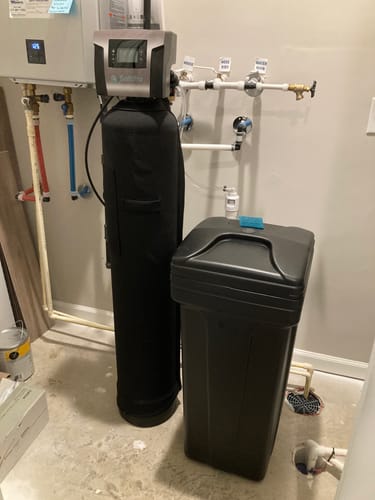
Choosing the right pipe material for corrosion resistance in iron filter systems comes down to three main contenders: copper, PEX, and PVC.
Copper leads the pack with its natural antimicrobial properties and an impressive lifespan exceeding 50 years. It resists corrosion exceptionally well, making it a trusted choice for potable systems.
Copper's natural antimicrobial properties and 50-year lifespan make it a powerhouse choice for corrosion-resistant potable systems.
PEX follows closely, offering 25 to 50 years of reliable corrosion resistance without mineral buildup concerns—just keep it away from UV exposure.
PVC, while rust-proof, struggles under the chemical reactions and pressures common in iron filter systems, making it the weakest option here.
When corrosion resistance is your priority, copper and PEX clearly outperform PVC. Your specific pressure, temperature, and environmental conditions will ultimately determine which of these two superior materials fits your system best.
What Pipe Goes Before and After an Iron Filter?
Placement matters just as much as material when we're talking about iron filter piping. Before the filter, we recommend PVC or PEX since both are non-reactive, eliminating corrosion risks and keeping your pre-filtered water uncontaminated.
Copper works pre-filter too, but you'll need to verify compatibility with your specific iron filter system to avoid unwanted chemical reactions.
After the filter, PEX becomes our top pick. Its flexibility makes routing through tight spaces considerably easier, saving you installation time and frustration.
PVC also performs well post-filter, offering lightweight handling and rust-free drainage for your newly filtered water.
Regardless of placement, always factor in water temperature, pressure, and system compatibility. Getting these details right upfront protects your investment and guarantees long-term performance from your iron filter system.
How Much Does Pipe Installation Cost for an Iron Filter?
Pipe installation costs for an iron filter vary widely depending on the material you choose, so let's break it down.
PEX is your budget-friendly winner, running $0.50–$2 per foot for materials and labor combined.
PVC sits slightly higher at $1–$5 per foot but remains DIY-friendly, keeping labor costs low.
Copper, however, is the premium option—and you'll feel it. Skilled welding drives labor expenses up considerably, with whole-home installations reaching $2,000–$3,500, and professional jobs sometimes exceeding $6,000.
If you're solely replacing pipe around your iron filter, costs stay manageable with PEX or PVC.
But if you're upgrading an entire system, copper's price tag demands serious consideration.
Choose based on your budget, skill level, and long-term performance expectations.
Should You Hire a Pro or DIY Your Iron Filter Piping?
When it comes to iron filter piping, the DIY-vs.-pro decision isn't one-size-fits-all. Your pipe material choice heavily influences which route makes sense.
| Pipe Type | DIY-Friendly? | Pro Recommended? |
|---|---|---|
| PEX | Yes | Optional |
| PVC | Moderate | Situational |
| Copper | No | Strongly Yes |
PEX's flexibility makes it the most forgiving for experienced DIYers, though improper fittings still risk leaks. Copper demands specialized tools and techniques—mistakes here get expensive fast, so we'd strongly recommend hiring a licensed plumber. Beyond technique, professionals guarantee your installation meets local building codes, preventing costly compliance issues down the road.
Regardless of material, a pro brings material-selection expertise that optimizes your system's efficiency and long-term durability—often justifying the upfront investment.
Frequently Asked Questions
Why Do Insurance Companies Not Like PEX Plumbing?
Insurance companies don't like PEX because it's vulnerable to UV damage, lacks copper's 50-year track record, and faces regional code restrictions. These factors make insurers view it as a higher-risk, less reliable plumbing option.
Why Do Plumbers Use PEX Instead of Copper?
We use PEX instead of copper because it's flexible, corrosion-resistant, and cheaper to install. It doesn't require welding, installs faster, and performs better in freezing temperatures, making it our go-to for efficient, cost-effective plumbing solutions.
Why Don't Plumbers Use Copper Anymore?
We've moved away from copper because PEX is cheaper, faster to install, and more flexible. Copper's high labor costs, corrosion issues, and vulnerability to freezing make it a less practical choice for modern plumbing projects.
Which Is Safer, PEX or PVC?
PEX is safer than PVC for drinking water. It's certified for potable use, resists freezing without cracking, and has anti-microbial properties. PVC can leach chemicals and harbor bacteria, making it less ideal for water supply lines.






