


![SoftPro™ Chlorine+ Carbon Whole House Water Filter to Remove PFAS, Chlorine, Chloramine & Pesticides [City Water Filters Series]](http://www.softprowatersystems.com/cdn/shop/files/SoftPro_Whole_House_Carbon_Filter_with_Spin_Down_Water_Filter.webp?v=1783547361&width=140)


 855-683-8488


DIY Iron Levels Testing in Well Water at Home: The Most Accurate Methods for Well Owners

Testing your well water for iron at home is one of the smartest things you can do to protect your family's health, your plumbing, and your appliances. We recommend using DIY test kits, which cost between $20 and $50, to measure iron levels against the EPA's safe threshold of 0.3 mg/L. Simply flush your tap, collect a sample, and apply the test strips or chemical drops. Stick around, because we've got everything you need to take action on your results.
Key Takeaways
- DIY test kits costing $20–$50 use test strips or chemical drops to detect iron levels accurately at home.
- Flush your tap for several minutes before collecting a water sample to ensure accurate, representative test results.
- Compare your results against the EPA's safety threshold of 0.3 mg/L to determine if action is needed.
- Identify whether iron is ferrous (Fe²⁺) or ferric (Fe³⁺), as each type requires a different treatment approach.
- Annual testing is recommended to consistently monitor iron levels and catch changes in water quality over time.
What Causes Iron in Well Water

Because groundwater travels through iron-rich rocks and soil, it naturally picks up iron along the way — and depending on where your well sits, those concentrations can get surprisingly high.
But geology isn't the only culprit. If your home has older plumbing, corroding pipes can leach iron directly into your supply, compounding the problem before water ever reaches your tap.
Iron bacteria are another factor worth understanding. These microorganisms thrive in iron-rich environments and can drive levels even higher while creating additional plumbing headaches.
And if your well sits near agricultural land, industrial sites, or landfills, runoff contamination can introduce iron from external sources entirely.
That's exactly why regular testing isn't optional — it's how you stay ahead of what you can't see.
Signs Your Well Water Has an Iron Problem
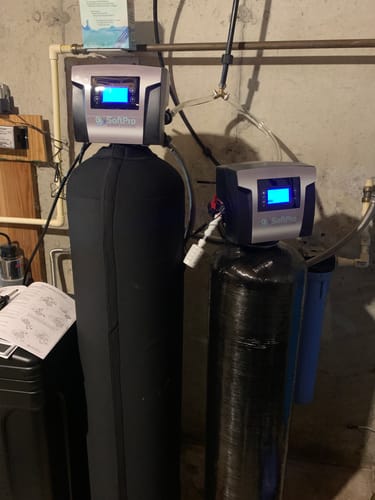
Iron doesn't always announce itself loudly, but it does leave clues — and knowing what to look for can save you from bigger problems down the line.
Watch for reddish-brown water and rust stains on your fixtures — those are textbook signs of iron contamination. If your water carries a metallic taste or smell, you're likely dealing with ferrous iron dissolved in the supply.
Notice sluggish water flow? Iron buildup inside your pipes could be the culprit. Even your laundry tells a story — stubborn stains and dingy fabrics often trace back to iron-laden water.
In Pennsylvania alone, roughly 17% of private wells exceed safe iron levels, so if any of these signs sound familiar, your well deserves a closer look.
How to Test Well Water for Iron at Home
Testing your well water for iron at home is easier than you might think, and a DIY kit costing between $20 and $50 is all it takes to get started.
Here's how we do it effectively:
- Run your tap for a few minutes before collecting the sample — this flushes stagnant water, giving you a true reading of your well's iron levels.
- Apply test strips or chemical drops to your collected sample, watching carefully for color changes that reveal iron concentrations.
- Compare results against the EPA's 0.3 mg/L threshold — exceeding this signals aesthetic problems like staining and metallic taste.
How to Read Your Iron Test Results
Once you've got your results in hand, knowing what they actually mean makes all the difference. Match your test strip's color to the provided scale—that color tells your iron's concentration story.
Here's what the numbers mean: EPA guidelines consider anything below 0.3 mg/L acceptable, but don't celebrate too quickly. Even levels as low as 0.05 mg/L can cause staining and taste problems.
If your results show elevated levels, we'd recommend digging deeper to identify whether you're dealing with ferrous (Fe²⁺) or ferric (Fe³⁺) iron—they require different treatment approaches entirely.
High iron doesn't just taste unpleasant; it actively clogs plumbing and restricts water flow over time.
That's why we recommend annual testing to track trends before they become expensive problems.
How to Remove Iron From Well Water Based on Your Results
Now that you know what's in your water, let's put those results to work. Your iron type determines your solution—no guessing required.
Your water test results are the roadmap—your iron type points directly to the right solution.
- Ferrous iron (clear water iron): Use air oxidation followed by filtration. This invisible culprit turns rust-red once exposed to oxygen, making it filterable.
- Ferric iron (red water iron): Skip straight to sediment filters or manganese greensand systems—they'll catch that cloudy, rusty particulate efficiently.
- High iron concentrations: Combine pH adjustment with filtration, or invest in reverse osmosis or advanced oxidation systems for persistent contamination.
Regular testing keeps your strategy accurate as conditions change.
When contamination feels overwhelming, professional installation of advanced systems delivers the long-term protection your household deserves.
Frequently Asked Questions
How to Test for Iron in Your Well Water?
We'll grab a DIY iron testing kit for $20-$50, collect a water sample, then use test strips or chemical drops to detect iron levels—getting accurate results within minutes from the comfort of home.
How to Get Iron Out of Well Water Naturally?
We'll naturally remove iron by aerating your water to convert soluble iron into filterable particles, then running it through a sand or manganese greensand filter while maintaining a slightly alkaline pH for best results.
What Is the Most Accurate Iron Test?
For the most accurate iron test, we recommend professional lab testing. It differentiates between ferrous and ferric iron, measures concentrations against EPA guidelines, and provides legally certified results that DIY kits simply can't match.
What Is the Best Test Kit for Well Water?
We've found that the best DIY well water test kits cost between $20–$50, using color-changing strips that deliver iron level results within minutes, helping us make immediate, informed decisions about our water quality.






