


![SoftPro™ Chlorine+ Carbon Whole House Water Filter to Remove PFAS, Chlorine, Chloramine & Pesticides [City Water Filters Series]](http://www.softprowatersystems.com/cdn/shop/files/SoftPro_Whole_House_Carbon_Filter_with_Spin_Down_Water_Filter.webp?v=1783547361&width=140)


 855-683-8488


Do You Really Need to Upgrade Your Home's Pipes Before Installing a Whole House Iron Filter?

Whether you need to upgrade your pipes before installing a whole house iron filter depends entirely on their current condition. If your pipes are corroded, rusted, or degraded, they'll overwhelm your filter with sediment and slash its lifespan before it ever reaches full potential. But if your pipes are in solid shape, you can skip the upgrade entirely. Stick with us, and we'll help you figure out exactly what your home needs.
Key Takeaways
- Corroded or rusted pipes must be replaced before installing a whole house iron filter, as upstream contamination undermines filtration effectiveness.
- Old iron or galvanized steel pipes shed sediment that overwhelms filters, reducing their lifespan and increasing maintenance costs.
- PEX, PVC, or copper pipes in good condition rarely require upgrading before iron filter installation.
- Failing pipes restrict water flow, straining the filter and significantly shortening its operational lifespan.
- A professional pipe assessment before installation ensures the filter performs optimally within a sound plumbing infrastructure.
How Old Pipes Reduce Whole House Iron Filter Efficiency

When we install a whole house iron filter in a home with aging pipes, we're often setting ourselves up for disappointment.
Here's why: corroded iron pipes shed sediment that overwhelms your filter before it even begins tackling actual iron contamination. Limescale and mineral deposits restrict water flow, forcing the filter to work harder while delivering weaker results.
Worse, compromised pipes actively reintroduce contaminants the filter just removed, creating a frustrating cycle that defeats the entire purpose. That extra strain dramatically shortens your filter's lifespan, driving up maintenance costs you never anticipated.
Compromised pipes undo your filter's work — shortening its lifespan and inflating maintenance costs you never saw coming.
Slow flow rates from degraded pipes also drop household water pressure noticeably. Understanding these dynamics isn't just helpful—it's essential for protecting your investment and actually getting clean water throughout your home.
What Signs Tell You Pipes Must Be Replaced First?
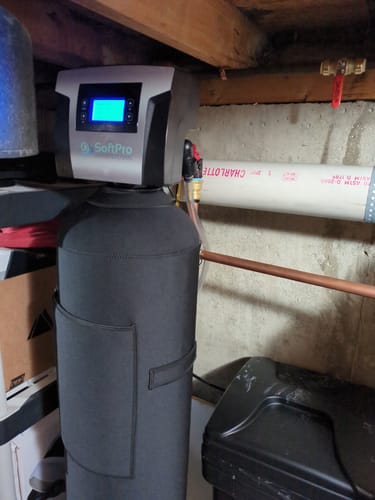
How do you know if your pipes need replacing before you install a whole house iron filter? Watch for these warning signs:
- Rust-colored water or iron stains on fixtures signal internal pipe corrosion demanding immediate attention.
- Reduced water pressure suggests dangerous buildup inside aging pipes that's already restricting flow.
- Frequent leaks or water damage near pipes confirm deterioration that'll undermine any filtration investment.
- Pipes over 50 years old face higher internal corrosion risks, compromising your filter's effectiveness from day one.
We've seen homeowners install expensive iron filters only to watch them fail prematurely because the pipes feeding them were already compromised.
Skyrocketing repair bills are your final red flag. Address these issues first, and your iron filter will actually deliver what you're paying for.
Does Your Pipe Material Change How the Iron Filter Performs?
Yes, your pipe material absolutely changes how well an iron filter performs — and we've watched homeowners learn this the hard way.
Iron or galvanized steel pipes actively work against your filter, shedding rust and sediment that overwhelm the system and drive up replacement costs. Meanwhile, copper and PVC pipes complement the filter's work, resisting corrosion so filtration stays efficient and water quality stays high.
Here's what most people miss: older, degraded pipes compound the problem regardless of material.
We always recommend evaluating your pipes' age and condition before installation. Sometimes you'll also need pre-filtration or supplemental treatment to protect your plumbing and maximize the iron filter's effectiveness.
Your pipe material isn't just background information — it's a critical performance variable.
When Skipping the Pipe Upgrade Is Actually Fine
If your situation checks the right boxes, you can move forward confidently:
- Your pipes are PEX or PVC — these materials resist corrosion, making upgrades less urgent.
- No visible leaks or corrosion exist — a healthy system handles filter installation without strain.
- Your water quality fluctuates considerably — the filter delivers immediate wins while pipes wait.
- You're committed to post-installation monitoring — regular water quality checks reveal whether upgrades become necessary later.
The iron filter itself reduces future pipe buildup, fundamentally buying your existing infrastructure more time.
Smart sequencing beats unnecessary spending every time.
Pipes or Whole House Iron Filter: Which Comes First?
The answer isn't always obvious, but pipe condition makes the decision for you. If your pipes show corrosion, rust, or degradation, address them first. A whole house iron filter can't compensate for contaminants introduced by failing plumbing upstream—you'd fundamentally be filtering water that's getting re-contaminated before it reaches your tap.
Failing pipes re-contaminate water before it reaches your tap—no filter can fix that upstream problem.
Think of it this way: corroded pipes restrict flow, harbor buildup, and shorten your filter's lifespan. Installing a premium filtration system into compromised infrastructure is like putting a high-performance engine into a rusted frame.
Get a professional assessment before committing to either upgrade. They'll identify leaks, weak points, and deterioration that aren't visible.
When pipes are sound, your whole house iron filter performs at its peak—and lasts considerably longer.
Frequently Asked Questions
What's the Average Cost for a Whole House Water Filtration System?
We're looking at $1,000 to $4,000 for the system itself, plus $300 to $800 for installation. Factor in $150 to $300 annually for maintenance, and you've got a complete cost picture.
What Are the Problems With Whole House Water Filtration Systems?
We've found that corroded pipes restrict flow, sediment clogs filters, and aging plumbing dumps extra contaminants into your system. These issues tank filtration performance and spike maintenance costs, ultimately defeating the purpose of installing a whole house filter.
Do I Need a Permit to Install a Whole House Water Filter?
You might need a permit, depending on your local regulations. We recommend checking with your building department first. If you hire a licensed plumber, they'll typically handle the entire permit process for you.
How Long Does a Whole House Iron Filter Last?
We've found that a whole house iron filter typically lasts 5 to 10 years. You'll maximize that lifespan through regular backwashing, media replacement, and investing in pre-filtration systems that reduce sediment and contaminants before they reach your filter.






