


![SoftPro™ Chlorine+ Carbon Whole House Water Filter to Remove PFAS, Chlorine, Chloramine & Pesticides [City Water Filters Series]](http://www.softprowatersystems.com/cdn/shop/files/SoftPro_Whole_House_Carbon_Filter_with_Spin_Down_Water_Filter.webp?v=1783547361&width=140)


 855-683-8488


Does Adding a UV System to Your Iron Filter Actually Solve the Iron Bacteria Problem?

Adding a UV system to your iron filter won't fully solve your iron bacteria problem. UV light kills bacteria, but it can't remove the iron deposits and biofilms those bacteria leave behind. Dense biofilms actually block UV penetration, letting bacteria survive and recolonize. Without addressing the root conditions, you're treating symptoms, not the cause. The real solution combines chlorination and iron filtration together—and we'll show you exactly how that works.
Key Takeaways
- UV light kills iron bacteria but fails to remove iron deposits that allow bacteria to recolonize after treatment.
- Dense biofilms shield bacteria from UV penetration, letting colonies survive even with an active UV system.
- Iron and manganese particles scatter UV light, significantly reducing its disinfection effectiveness in contaminated water.
- Chlorination combined with iron filtration more effectively eliminates both bacteria and the iron deposits sustaining them.
- A multi-stage approach using chlorine injection, iron filtration, and regular testing provides more reliable long-term protection.
How Iron Bacteria Damages Pipes and Contaminates Well Water

Iron bacteria might be microscopic, but they're capable of causing some serious damage to your well water system. These organisms thrive in low-oxygen environments like groundwater wells, feeding on iron and multiplying rapidly.
As they grow, they produce thick, gelatinous biofilms that cling to your pipes, restricting water flow and dropping pressure throughout your system. Left unchecked, biofouling escalates into costly pipe replacements that could've been avoided.
You'll also notice rust-colored stains on fixtures and laundry — telltale signs of contamination. Worse, iron bacteria generate metallic or musty odors that make your water genuinely unpleasant to use.
Understanding this damage matters because effective treatment starts with recognizing exactly what you're dealing with and why standard iron filtration alone may not be enough.
Why UV Light Cannot Eliminate Iron Bacteria in Well Systems
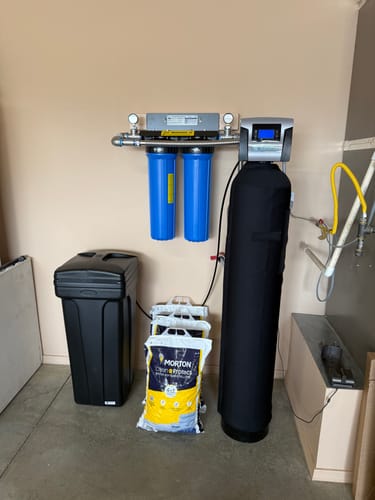
UV light's ability to kill iron bacteria is real, but it's only part of the story.
Here's what we're up against when relying solely on UV treatment:
- UV destroys iron bacteria but leaves iron deposits behind, fueling future bacterial growth.
- Dense biofilms block UV penetration, letting bacteria survive underneath protective layers.
- UV systems don't address the source conditions that allow bacterial recolonization.
- Turbidity and sediment scatter UV light, considerably weakening disinfection effectiveness.
- Without removing iron itself, bacteria simply return after treatment ends.
We need to understand that UV disinfection addresses symptoms, not causes.
Iron bacteria management demands a multifaceted strategy combining physical removal, chemical treatment, and UV disinfection working together.
Relying on UV alone leaves your system vulnerable to persistent recontamination.
Why Biofilm and Iron Deposits Make UV Treatment Unreliable
When iron bacteria colonize a well system, they don't just float freely in the water waiting to be zapped by UV light — they build thick, protective biofilms that UV rays simply can't penetrate. These biofilms act as shields, absorbing and scattering light before it ever reaches the bacteria beneath.
Compounding this problem, iron and manganese particles in the water further obstruct UV penetration, and any turbidity makes things worse.
Even when UV light does kill surface bacteria, it leaves the iron deposits completely intact — giving surviving colonies everything they need to recolonize.
That's the core reliability issue: UV treats a symptom while leaving the environment that sustains iron bacteria completely undisturbed.
Solving this problem requires a thorough, multi-stage approach that targets both the bacteria and their habitat.
How Chlorination and Iron Filtration Actually Solve the Problem
Chlorination cuts straight to the heart of the problem by killing iron bacteria on contact — not just on the surface, but deep within the biofilms where UV light can never reach.
Paired with an iron filtration system like an Iron Titan or Pure Blue filter, you're tackling both the bacteria and their food source simultaneously.
Here's what this combination actually delivers:
- Eliminates iron bacteria during the retention tank contact period
- Removes iron residues that sustain bacterial colonies
- Prevents biofilm formation throughout your plumbing
- Stops rust-colored stains on fixtures and laundry
- Maintains consistent water pressure and flow long-term
Regular maintenance keeps chlorination equipment performing at peak efficiency, ensuring iron bacteria don't re-colonize your system and compromise your water quality again.
How to Keep Iron Bacteria From Coming Back
Once you've got iron bacteria under control, keeping them out requires a consistent, multi-layered approach. Start with regular well cleaning and maintaining low turbidity levels—these two steps alone eliminate the conditions iron bacteria need to thrive.
Pair that with an extensive treatment system combining an iron filter and chlorine injection. Greensand filters or aeration systems tackle iron, manganese, and sulfide odors, while consistent chlorine application after primary filtration maintains ongoing bacterial control.
Don't skip monthly water quality testing. Early detection of resurgence means you're addressing small problems before they escalate into costly ones.
The strategy that works isn't one single solution—it's layered defense: mechanical filtration, chemical disinfection, and routine monitoring working together to protect your water supply long-term.
Frequently Asked Questions
Is There a Downside to UV Sterilizers?
Yes, UV sterilizers have real downsides. They can't remove existing biofilms, don't provide residual protection, and iron or turbidity severely compromises their effectiveness. We'll also need to maintain them regularly to keep them working.
Do Iron Filters Remove Iron Bacteria?
Iron filters don't remove iron bacteria—they're designed to target dissolved iron and manganese. While they reduce some biofilm, bacteria thrive within the filter media itself, so you'll need chlorination to truly eliminate them.
How Do I Get Rid of Iron Bacteria?
To eliminate iron bacteria, we recommend chlorination as your most effective weapon—it kills the bacteria outright. Combine it with physical removal and ongoing monthly chlorine maintenance to prevent regrowth and keep your water clean.
What Are the Disadvantages of UV Filters?
UV filters can't penetrate biofilms, don't remove iron deposits, require constant maintenance, and lose effectiveness when turbidity's high. They also lack residual disinfection, meaning we're left vulnerable without an all-encompassing treatment strategy addressing iron bacteria's root causes.






