


![SoftPro™ Chlorine+ Carbon Whole House Water Filter to Remove PFAS, Chlorine, Chloramine & Pesticides [City Water Filters Series]](http://www.softprowatersystems.com/cdn/shop/files/SoftPro_Whole_House_Carbon_Filter_with_Spin_Down_Water_Filter.webp?v=1783547361&width=140)


 855-683-8488


Does Iron Filtration Actually Improve Your Skin and Hair Health? Here's What the Evidence Shows

Yes, iron filtration genuinely improves your skin and hair health. Iron in water strips moisture, causes brittleness, and leaves reddish stains that mimic eczema or acne. Dermatologists confirm that iron oxides worsen existing skin conditions, while prolonged exposure can shift your skin tone toward reddish-orange. Once you filter it out, skin feels softer, hair regains strength, and care products actually work better. Stick with us, and we'll show you exactly how it all works.
Key Takeaways
- Iron in water causes skin dryness, irritation, and reddish staining that mimics conditions like eczema and acne.
- Prolonged iron exposure can alter skin tone and cause hair brittleness, moisture loss, and discoloration.
- Dermatologists confirm iron oxides worsen existing skin conditions, making filtration a medically relevant solution.
- After iron filtration, users report softer skin, stronger hair, and improved effectiveness of personal care products.
- Chemical-free iron filtration systems measurably improve water quality without introducing additional harsh substances to your water supply.
How Iron in Your Water Damages Skin and Hair

When we turn on the tap, most of us don't think twice about what's actually in the water hitting our skin — but if your water has high iron content, it's silently working against you.
Iron triggers dryness, irritation, and that stubborn reddish staining that mimics eczema or acne, making it nearly impossible to pinpoint the real culprit. Your hair isn't spared either — iron strips moisture, accelerates brittleness, and causes discoloration that leaves strands vulnerable to breakage.
It gets worse: iron reacts with bacteria, forming sludge that releases unpleasant odors directly onto your skin during bathing, compounding irritation.
Understanding this damage isn't just academic — it's the foundation for making smarter choices about your water and, ultimately, your health.
Which Types of Iron in Water Cause Skin and Hair Problems
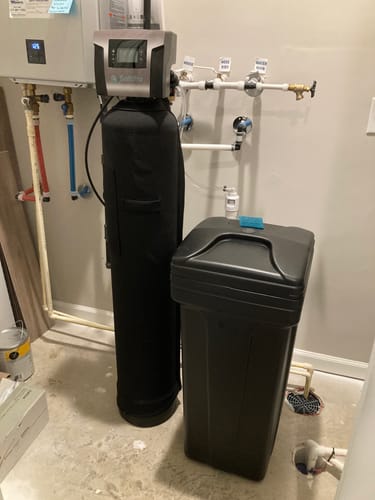
Not all iron is the same — and knowing the difference matters more than you'd think. Three distinct types affect your skin and hair differently, and identifying which one's in your water shapes your entire filtration strategy.
| Iron Type | Form | Primary Damage |
|---|---|---|
| Ferrous Iron | Dissolved | Reddish skin and hair staining |
| Ferric Iron | Oxidized/particulate | Stubborn rust-colored buildup |
| Iron Bacteria | Biological/slimy | Dryness, itchiness, irritation |
Ferrous iron dissolves invisibly, making it deceptive. Ferric iron, its oxidized counterpart, leaves rust-colored stains that resist removal. Iron bacteria introduce a slimy residue that compounds irritation markedly.
Each type demands a targeted solution. Once we've identified our specific iron problem, we're positioned to choose filtration that actually delivers results.
What Dermatologists and Water Scientists Say About Iron's Effects on Skin
Dermatologists confirm that iron oxides stain and dry the skin, worsening eczema and acne.
Water scientists add another layer: excess iron bonds with bacteria, forming iron-bacteria slime inside pipes. That slime doesn't stay in your pipes — it reaches your skin.
Prolonged exposure can even shift your skin tone toward a reddish-orange tint from iron accumulation. That's not a minor cosmetic nuisance; it signals real biological impact.
The good news? Filtering iron out changes outcomes measurably.
Research shows improved hair strength, reduced breakage, and better skin hydration when iron-free water replaces high-iron water in daily bathing routines.
How to Pick an Iron Filter for Skin and Hair
Choosing the right iron filter doesn't have to feel overwhelming, but it does require knowing what to look for. Here's what we recommend prioritizing:
- AIO Technology — Look for Air Injection Oxidation systems, which remove up to 7 ppm of iron and manganese effectively.
- Ferrous Iron Targeting — Choose filters that convert dissolved ferrous iron into filterable ferric iron, preventing staining and skin irritation.
- Chemical-Free Systems — Avoid filters introducing harsh additives; chemical-free options protect skin and hair while still eliminating iron.
- Regular Maintenance — Follow manufacturer guidelines consistently to sustain long-term performance and benefits.
Before purchasing, test your local water quality. Understanding your specific contamination levels guarantees you're selecting a system that genuinely addresses your needs rather than guessing.
What Happens to Your Skin and Hair After You Filter Iron
Once you filter iron from your water, you'll likely notice three meaningful changes fairly quickly: your skin feels softer, your hair behaves better, and those stubborn rust-toned stains stop showing up where they don't belong.
Here's why that matters. Iron-heavy water quietly worsens conditions like eczema and acne, and it leaves mineral buildup that makes hair brittle and unmanageable. Remove the iron, and you remove the source of those problems.
We also see something less obvious but equally important: hydration improves. When water no longer carries a metallic taste, people drink more of it.
More water means better skin and hair moisture from the inside out. Your care products even perform better, since clean water preserves their intended colors and active ingredients.
Frequently Asked Questions
Does Iron Help With Skin and Hair?
Yes, iron's essential for healthy skin and hair! It helps produce hemoglobin, which carries oxygen to our skin and hair cells. But too much iron in water? That's where we run into trouble.
What Are the Benefits of Iron Filter?
We've seen iron filters transform skin and hair health by removing harsh iron deposits, preventing dryness, breakage, and staining. They also enhance water taste, encouraging better hydration for a healthier you overall.
What Does Iron in Water Do to Hair?
Iron in water can leave your hair discolored, dry, and brittle. We've seen it cause reddish tints, metallic odors, and buildup that weighs hair down, stripping away its natural shine and manageability.
What Are the Symptoms of Too Much Iron in Water?
When we're exposed to too much iron in water, we'll notice dry, irritated skin, reddish hair discoloration, nausea, joint pain, and organ-related symptoms—all warning signs that iron overload's silently damaging our bodies.






