


![SoftPro™ Chlorine+ Carbon Whole House Water Filter to Remove PFAS, Chlorine, Chloramine & Pesticides [City Water Filters Series]](http://www.softprowatersystems.com/cdn/shop/files/SoftPro_Whole_House_Carbon_Filter_with_Spin_Down_Water_Filter.webp?v=1783547361&width=140)


 855-683-8488


First-Time Well Owner Iron Contamination Testing Guide: Exactly What to Test for and When

As first-time well owners, we recommend testing your water for iron immediately — before problems start. The EPA's maximum acceptable level is just 0.3 mg/L, and high iron can stain fixtures, damage plumbing, and cause health issues. Test annually, and retest after flooding or if you notice metallic taste or murky water. Beyond iron, you'll want to check pH, nitrates, and bacteria too. Stick with us, and we'll walk you through everything you need to know.
Key Takeaways
- Test your well immediately after installation to establish a baseline, then retest annually as recommended by the CDC.
- The EPA's maximum acceptable iron level is 0.3 mg/L; exceeding this requires prompt treatment action.
- Test for three iron types: ferrous (invisible in water), ferric (causes rust staining), and organic iron.
- Retest immediately if you notice metallic taste, murky water, unusual odor, or after nearby flooding occurs.
- Beyond iron, also test pH, nitrates, manganese, hardness, and total coliform bacteria for comprehensive well safety.
Why New Well Owners Should Test for Iron Immediately?

When you're a new well owner, testing for iron right away can save you from a cascade of costly and frustrating problems down the road.
The EPA sets the maximum acceptable iron level at 0.3 mg/L — exceed that, and you're looking at reddish-brown stains destroying your fixtures, laundry, and plumbing. In Pennsylvania alone, 17% of private wells report excessive iron levels, so this isn't a rare edge case.
Beyond aesthetics, excessive iron intake can trigger gastrointestinal issues and other health complications.
The CDC recommends annual testing, but your first test matters most. It establishes your baseline and reveals what you're actually dealing with before problems compound.
Think of that initial test as your well's first health checkup — skip it, and you're flying blind.
When to Test Your Well Water for Iron?
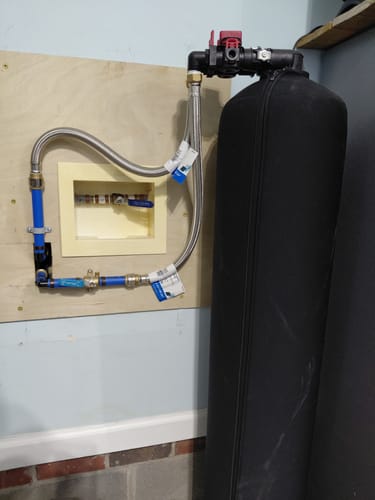
Knowing exactly when to test can mean the difference between catching a problem early and dealing with stained fixtures, ruined laundry, or compromised plumbing.
We recommend testing annually at minimum — that's straight from the CDC — but don't wait if something feels off. Notice a metallic taste, murky water, or a strange odor? Test immediately. Experience flooding or any nearby environmental disruption? Test again.
Iron doesn't announce itself politely; it shows up as rust stains, clogged pipes, and orange-tinged laundry before you realize there's a serious problem.
With over 43 million Americans relying on private wells, and many exceeding the EPA's 0.3 mg/L iron threshold, staying proactive isn't optional — it's essential.
Your well, your responsibility.
What Else to Test for Besides Total Iron?
Iron rarely travels alone. When you're testing your well water, you'll uncover a fuller picture of what's actually flowing through your pipes by casting a wider net.
Here's what else deserves your attention:
- pH levels – Anything below 6.5 turns your water acidic, corroding pipes and accelerating metal leaching.
- Nitrate – The EPA caps this at 10 mg/L; exceeding it creates serious health risks, especially for infants.
- Manganese – Above 0.05 ppm, it stains like iron and raises health concerns.
Don't overlook hardness either. Above 7 gpg, scale builds inside appliances and shortens their lifespan.
Finally, test for total coliform bacteria. Their presence signals sewage contamination, making your water genuinely dangerous to drink.
How to Interpret Your Iron Results Against EPA Standards?
Once you've gathered results across all those parameters, the iron number is usually the one that jumps out first—and for good reason. The EPA's threshold is 0.3 mg/L—anything above that signals you need treatment.
But don't stop at the number. The type of iron matters enormously. Ferrous iron hides in clear water, so you won't see the problem—you'll only find it through testing.
Ferric iron announces itself with reddish-brown staining, making contamination visually obvious. Organic iron behaves differently still.
Each form demands a different treatment approach, so misreading your results means misapplying your solution. Match the iron type to the appropriate remedy, measure it against that 0.3 mg/L benchmark, and you'll know exactly what you're dealing with.
Your Well Water Failed the Iron Test: Now What?
Most of us feel a sinking feeling when test results come back with iron levels above that 0.3 mg/L mark—but a failed test isn't the end of the story, it's the beginning of fixing it.
Your next move determines everything. Start by identifying which iron type you're dealing with:
- Ferrous iron dissolves invisibly in water
- Ferric iron appears as visible rust particles
- Organic iron bonds with organic matter, requiring specialized treatment
Each type demands a different solution, which is why consulting a water quality expert saves you costly guesswork.
Most homeowners benefit from whole-house filtration systems that address iron thoroughly. After treatment, retest immediately—confirmation isn't optional, it's your proof that the fix actually worked.
Frequently Asked Questions
How Do You Test for Iron Contamination?
We recommend grabbing a DIY test kit from your local hardware store—it'll quickly reveal iron levels in your water. For deeper accuracy, we'd send samples to a professional lab for detailed ppb measurements.
How to Test for Iron in Your Well Water?
We'll test for iron by running water 2-3 minutes, collecting samples in sterile containers, then using DIY test strips or sending samples to a professional lab for precise iron-level identification.
What Can Falsely Elevate Iron Levels?
We've seen five culprits falsely inflate iron readings: iron bacteria oxidizing ferrous iron, corroded pipe rust, post-disturbance sediment resuspension, iron-rich geological formations, and pH shifts causing ferric iron precipitation during testing.
Can Iron Bacteria Contaminate Wells?
Yes, iron bacteria can absolutely contaminate your well. They thrive in iron-rich water, forming rusty, reddish slime that clogs pipes, degrades water quality, and creates those unpleasant tastes and odors we're all keen to avoid.






