


![SoftPro™ Chlorine+ Carbon Whole House Water Filter to Remove PFAS, Chlorine, Chloramine & Pesticides [City Water Filters Series]](http://www.softprowatersystems.com/cdn/shop/files/SoftPro_Whole_House_Carbon_Filter_with_Spin_Down_Water_Filter.webp?v=1783547361&width=140)


 855-683-8488


Greensand Iron Filter Regeneration: Here's Exactly What Happens When You Skip It

When you skip a greensand filter regeneration cycle, you're not just postponing maintenance — you're triggering a chain reaction. The manganese dioxide coating breaks down immediately, letting iron particles push through the filter bed. That means stained fixtures, rust-colored laundry, and dropping water pressure. pH levels fall below 6.2, accelerating the damage further. One missed cycle can lead to costly repairs that dwarf the cost of simple upkeep. Stick with us to find out exactly how bad it gets.
Key Takeaways
- Skipping regeneration depletes the manganese dioxide coating, causing iron particles to break through the filter and contaminate your water supply.
- Untreated iron causes rust-colored water, stained fixtures, and discolored laundry, signaling immediate filter failure.
- A clogged filter bed reduces water pressure and increases energy costs significantly.
- Prolonged neglect can halve greensand media lifespan from eight years to just four.
- Restoration requires potassium permanganate regeneration, multiple flushing cycles, and pH testing before resuming normal operations.
What Greensand Regeneration Does to Iron in Your Filter

When greensand starts losing its edge, it's usually because the manganese dioxide coating has worn down — and that coating is everything.
It's what drives the catalytic oxidation process that pulls dissolved iron out of your water before it causes problems.
Here's what regeneration actually does: it introduces potassium permanganate or bleach into the system, which re-oxidizes accumulated iron and restores that critical coating.
Without it, the media can't perform the chemistry it's designed for.
We also want to highlight pH's role here. The system needs to stay between 6.2 and 8.0 to keep oxidation running efficiently.
Regular regeneration helps maintain that window.
Skip it, and you're not just losing performance — you're actively compromising the entire filtration process.
Iron Breakthrough: What Happens the Moment You Skip a Regeneration Cycle
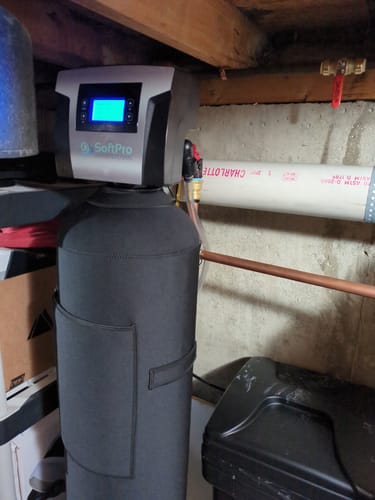
Skipping even one regeneration cycle sets off a chain reaction that's faster and messier than most people expect. Without regeneration, the manganese dioxide coating that captures iron begins degrading immediately, losing its oxidizing power.
Skipping just one regeneration cycle triggers an immediate chain reaction — and the damage moves faster than you'd expect.
Iron particles don't just slow down — they accumulate, pile up, and eventually push through the filter bed entirely. That's iron breakthrough, and it's exactly as bad as it sounds.
Once breakthrough hits, untreated iron flows directly into your household supply. You'll notice it quickly: stained fixtures, rust-colored laundry, discolored water.
Meanwhile, iron deposits clog the filter bed, dropping water pressure and forcing your system to work harder. What started as one skipped cycle now means higher energy costs, degraded performance, and repairs that cost far more than a simple regeneration ever would.
How to Tell Your Greensand Filter Has Gone Too Long Without Regeneration
How do you know your greensand filter has crossed the line from "overdue" to "in serious trouble"? Watch for these specific signals.
First, check your pressure. A noticeable pressure drop means the media's clogging and restricting flow.
Next, inspect your fixtures and laundry—fresh iron staining tells you the manganese dioxide coating is depleted and no longer capturing iron effectively.
If you test your effluent water and see pH dipping below 6.2, that's confirmation the filter's lost its functional edge.
Here's the costly part most people miss: your system may start discharging water continuously, wasting both water and money.
Skip regeneration long enough, and you'll slash your media's lifespan from eight years down to four—doubling your replacement costs unnecessarily.
What Extended Neglect Does to Greensand Media Permanently
If you ignore regeneration long enough, the damage to your greensand media stops being temporary and becomes permanent. The manganese dioxide coating that makes greensand effective gradually degrades, stripping the media of its ability to capture iron and manganese.
Once that coating's gone, no amount of regeneration brings it back. Meanwhile, accumulated deposits clog the media, pressure drops climb, and your water quality visibly suffers—staining, discoloration, the works.
If your pH dips below 6.2 during this neglect, the coating loss accelerates even faster.
The real cost? A filter that should last 4 to 8 years might fail in just a couple. That means earlier replacement, higher expenses, and a system that never performs the way it should. Neglect compounds—and greensand doesn't forgive it.
How to Restore a Neglected Greensand Iron Filter
Restoring a neglected greensand filter isn't as hopeless as it sounds—but it does require a deliberate sequence of steps.
Start by initiating a regeneration cycle using potassium permanganate—this reactivates the manganese dioxide coating that's been compromised by neglect.
Don't stop there, though. Follow that with multiple flushing cycles to purge accumulated iron, manganese, and residual chemicals from the media bed.
We'd also recommend testing your water's pH before restarting normal operation. Keeping it between 6.2 and 8.0 guarantees the restored media performs effectively and doesn't degrade again prematurely.
Skipping any of these steps risks repeating the same cycle of decline. Restoration is possible, but only if we respect the process and commit to maintaining it afterward.
Frequently Asked Questions
How Long Does Greensand Filter Media Last?
Greensand filter media typically lasts 4 to 8 years, but here's what we've learned: your maintenance habits matter most. Keep up with regular regeneration, and you'll maximize every year of its lifespan.
Is an Iron Filter Necessary?
If your well water exceeds 0.3 ppm of iron, we'd say yes—it's absolutely necessary. Without one, you're risking stained fixtures, damaged plumbing, and water that tastes and smells unpleasant.
How Long Can a Water Softener Go Without Regeneration?
We recommend you don't let your water softener go longer than 6-8 weeks without regeneration. Ideally, you'll regenerate every 2-4 weeks to prevent mineral buildup and keep your system performing at its best.
How Often Should Your Iron Filter Regenerate?
We recommend regenerating your iron filter every 4 to 8 weeks. Staying consistent with this schedule keeps your manganese dioxide coating effective, prevents media saturation, and guarantees you're always getting clean, iron-free water.






