


![SoftPro™ Chlorine+ Carbon Whole House Water Filter to Remove PFAS, Chlorine, Chloramine & Pesticides [City Water Filters Series]](http://www.softprowatersystems.com/cdn/shop/files/SoftPro_Whole_House_Carbon_Filter_with_Spin_Down_Water_Filter.webp?v=1783547361&width=140)


 855-683-8488


How Acidic Well Water Damages Iron Filter Media and Reduces Overall System Performance

When acidic well water flows through your iron filter, it triggers a chain reaction that steadily destroys your system's performance. Low pH oxidizes iron into rust, coating and clogging your filter media. It also erodes resin beads and manganese greensand, stripping away their ability to capture iron effectively. Once pH drops below 6.0, performance declines sharply. We'll walk you through exactly what's happening inside your system and how to stop it.
Key Takeaways
- Acidic water oxidizes ferrous iron into ferric iron, coating filter media with rust and causing progressive clogging that reduces system performance.
- Low pH degrades resin beads and erodes manganese greensand, significantly weakening the media's ability to capture and remove iron effectively.
- Acidic conditions leach minerals from filter media, diminishing filtration capacity and forcing more frequent regeneration cycles that accelerate overall wear.
- Performance declines sharply when pH drops below 6.0, making iron removal unreliable and increasing the risk of contamination and staining.
- Correcting pH before iron filtration is essential, as acidic water keeps iron dissolved, rendering filters ineffective without prior neutralization.
What Does Acidic Well Water Do to Iron Filter Media?

When acidic well water flows through an iron filter, it sets off a chain of reactions that can quietly undermine your entire filtration system. Low pH triggers the oxidation of ferrous iron into ferric iron, coating the filter media with rust and steadily clogging it.
Simultaneously, acidic conditions degrade resin beads, stripping away their capacity to capture iron effectively. Once pH drops below 6.0, performance declines sharply, demanding more frequent maintenance and replacements.
What's often overlooked is that acidity can also leach harmful metals from the media itself, introducing new contaminants into your water supply. Without regular pH testing, these compounding issues accelerate system failures and drive up repair costs before you even realize something's wrong.
Signs Your Iron Filter Is Failing From Acidic Water
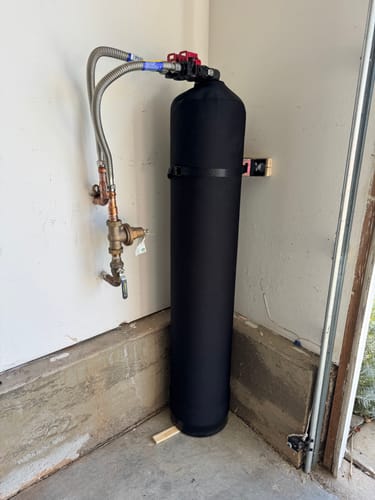
Catching the warning signs early can save you from costly repairs and contaminated water.
If you're noticing reddish-brown stains on your fixtures, that's a clear signal your filter isn't removing iron effectively. A metallic taste or smell in your water—even after filtering—suggests acidic conditions have compromised your media's performance.
Reddish-brown stains and a metallic taste are your filter sending a distress signal—don't ignore them.
We also watch for frequent clogging or unusually high backwashing demands, which indicate rust is coating the media faster than it should.
These symptoms don't appear randomly. They're direct consequences of acidic water steadily breaking down your filter's capacity.
That's why we recommend regularly testing both pH and iron levels. Early detection lets you adjust your system, replace media on schedule, and prevent bigger, more expensive problems down the line.
How Acidic Water Quietly Destroys Your Iron Filter Over Time
The damage acidic water does to your iron filter isn't dramatic—it's slow, quiet, and easy to miss until it's too late. Below pH 6.5, your filter media faces a relentless, compounding threat:
- Media degradation – Acidic water erodes manganese greensand and similar media, stripping away the very material that oxidizes and captures iron particles.
- Mineral leaching – Low pH pulls minerals out of the media, progressively weakening its filtration capacity from the inside out.
- Regeneration overload – Acidic conditions force more frequent regeneration cycles, accelerating wear and pushing your system toward premature failure.
We often don't notice these changes week to week—but the staining, rust deposits, and fouling building up in your plumbing tell the real story.
What It Actually Costs to Leave Acidic Well Water Untreated
Ignoring acidic well water doesn't just cost you a filter—it sets off a chain reaction of expenses that compounds quietly over time.
Corroded pipes can run into thousands in repairs. Degraded filter media drives maintenance costs up by 50%. Rust staining shortens appliance lifespans and adds hundreds in replacements.
Worse, acidic water leaches lead and copper from your plumbing, creating health risks that translate into real healthcare expenses.
Here's the number that should get your attention: neglecting treatment long enough forces you into multi-stage filtration or neutralization systems costing $2,000 to $5,000.
We're not talking about a minor inconvenience—we're talking about an escalating financial burden. Treating acidic water early isn't an expense; it's the investment that prevents a far costlier outcome.
How to Correct pH Before Filtering Iron in Your Well System
Before you filter iron from your well water, you've got to fix the pH—and here's why that order matters. Acidic water below 6.5 keeps iron dissolved, meaning your filter media never gets the chance to do its job.
Fix the pH before filtering iron—acidic water keeps iron dissolved, making your filter media completely useless.
Worse, that acidity accelerates media fouling and corrosion throughout your plumbing system.
Here's what we recommend doing first:
- Test both pH and iron levels to accurately identify what your system needs before selecting any treatment.
- Install an acid neutralizing filter packed with calcite or a calcite-Corosex blend to raise pH to the 6.8–8.5 sweet spot.
- Sequence your treatment correctly—neutralize acidity upstream, then filter iron downstream.
Getting this order right protects your media, extends system life, and maximizes iron removal efficiency.
Frequently Asked Questions
What Is the Best Filter to Remove Iron From Well Water?
We recommend a salt-based water softener or iron filtration system for iron levels up to 10 ppm. For higher concentrations, we'd combine an iron filter with a water softener in a powerful two-stage system.
How Do You Neutralize Acidic Well Water?
We neutralize acidic well water by using an acid neutralizer filled with calcite or a calcite-Corosex blend to raise pH levels, and we'll need to replenish the media every 6-12 months for ideal performance.
How to Reduce Iron Content in Well Water Naturally?
We can naturally reduce iron in well water through aeration, which oxidizes dissolved iron for easier removal. We'll also want to contemplate biological filtration systems using beneficial bacteria, plus sand filters to capture oxidized iron particles effectively.
Is Acidic Well Water Bad for You?
Acidic well water isn't directly toxic, but it'll corrode your pipes, leaching dangerous heavy metals like lead and copper into your drinking supply—causing serious neurological, developmental, and gastrointestinal health risks we shouldn't ignore.






