


![SoftPro™ Chlorine+ Carbon Whole House Water Filter to Remove PFAS, Chlorine, Chloramine & Pesticides [City Water Filters Series]](http://www.softprowatersystems.com/cdn/shop/files/SoftPro_Whole_House_Carbon_Filter_with_Spin_Down_Water_Filter.webp?v=1783547361&width=140)


 855-683-8488


How Backwash Cycles Keep Your Iron Filter Running at Peak Efficiency Year-Round

Backwash cycles are the heartbeat of your iron filter's performance. They reverse water flow to flush out trapped iron particles, preventing media buildup that kills filtration efficiency. How often you backwash depends on your iron concentration, media type, and whether your well pump delivers enough flow rate. Skip cycles or run them incorrectly, and your filter quietly fails you. Keep going and we'll show you exactly how to get this right.
Key Takeaways
- Backwash cycles reverse water flow to hydraulically agitate and flush trapped iron particles, preventing media saturation and maintaining consistent filtration performance.
- Iron concentration determines backwash frequency, ranging from every 1-2 days above 5 ppm to weekly for concentrations below 1 ppm.
- Catalytic media and Birm require 10-12 GPM per square foot during backwash; insufficient flow leaves trapped iron, reducing filter efficiency.
- Your well pump must meet media-specific flow requirements, as pump shortfalls cause debris buildup and long-term filtration performance degradation.
- Warning signs like pressure drops, rust reappearance, or foul odors indicate failing backwash cycles requiring immediate attention to prevent media damage.
What Happens Inside Your Iron Filter During a Backwash Cycle?

When a backwash cycle kicks off, water flow reverses through the filter, creating hydraulic agitation that loosens and flushes out the iron particles and contaminants your media bed has been trapping. Think of it as a deep reset for your system.
That initial phase runs for 10 minutes—enough time to thoroughly agitate the media and drive accumulated debris out to the drain.
But timing isn't the only critical variable. Effective backwashing demands flow rates of 10-12 GPM per square foot of media. Why does that matter? Because insufficient flow won't expand the media bed enough to actually release trapped particles.
When you get both variables right, you're not just cleaning your filter—you're protecting its longevity and maintaining consistent filtration performance throughout its lifespan.
How Iron Concentration Determines Your Backwash Frequency?
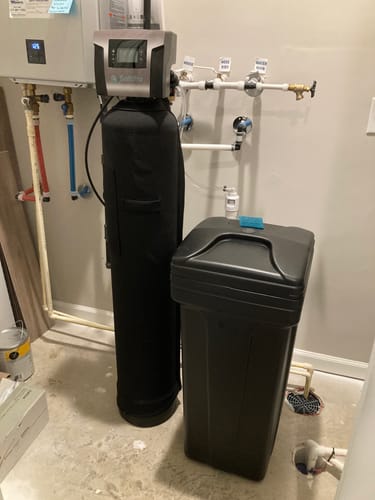
The single biggest factor driving your backwash schedule is iron concentration. Think of it as your filter's workload indicator—the heavier the load, the more frequent the cleanup.
Iron concentration is the single biggest driver of your backwash schedule—consider it your filter's workload indicator.
Here's what the numbers tell us:
- Above 5 ppm: Backwash every 2-3 days. Your media fouls quickly at these levels, and delays cost you efficiency.
- Between 1-5 ppm: Every 3-5 days keeps performance dialed in.
- Below 1 ppm: Weekly backwashing is typically sufficient.
- Multiple contaminants present: Bump your frequency to every 1-2 days—competing contaminants accelerate media saturation greatly.
We can't stress this enough—regular iron monitoring isn't optional if you want to avoid expensive system failures.
Test consistently, adjust accordingly, and you'll stay ahead of problems before they escalate.
Which Filter Media Requires the Highest Backwash Flow Rate?
Now that we've covered how iron concentration shapes your backwash schedule, let's talk about what's happening inside the filter itself—specifically, whether your media is actually getting clean.
Both catalytic media and Birm demand the highest backwash flow rates—10 to 12 GPM per square foot. Miss that threshold and you're leaving trapped iron behind, slowly strangling your filter's efficiency.
Green sand is slightly more forgiving, requiring 8 to 10 GPM per square foot, but it's uniquely sensitive to pH levels between 6.2 and 8.5, so chemistry matters just as much as flow.
Here's the takeaway: your backwash system must be sized to your specific media. Get that wrong, and no frequency adjustment will save your filter's performance long-term.
Can Your Well Pump Meet Backwash Flow Requirements?
So your filter media demands 10-12 GPM per square foot—but can your well pump actually deliver that? This question matters more than most homeowners realize.
We recommend regularly comparing your pump's flow capacity against your filter's specific backwash requirements. A catalytic media system needs 10-12 GPM per square foot, while green sand requires 8-10 GPM.
If your pump falls short, debris gets trapped in the media, filtration efficiency drops, and your system's lifespan shrinks.
For households dealing with iron concentrations above 5 ppm, the stakes are even higher. Your pump must support backwashing every 2-3 days to prevent media fouling.
Don't assume your pump qualifies—verify it. Knowing your pump's actual capacity protects your water quality and your investment.
How Do You Know Your Backwash Cycle Is Failing?
Catching a failing backwash cycle early can save you from costly repairs and deteriorating water quality. Watch for these four warning signs:
Catching a failing backwash cycle early can mean the difference between a simple fix and an expensive repair.
- Pressure drops — Significant gauge pressure loss signals saturated media needing immediate backwashing.
- Weak water flow during backwash — Insufficient flow indicates a failing control valve or underpowered pump, leaving media inadequately cleaned.
- Returning water quality issues — Rust reappearance or foul odors confirm the backwash cycle isn't performing effectively.
- Inconsistent regeneration suction — A weak or irregular suction pattern points to injector assembly problems disrupting the entire backwash process.
Don't overlook frequency either. Under high-iron conditions, skipping backwash cycles accelerates media fouling, shortening your filter's lifespan and degrading system performance faster than you'd expect.
Frequently Asked Questions
How Often Should an Iron Filter Backwash?
We recommend backwashing your iron filter every 4 days to 2 weeks. High iron levels above 5 ppm demand cycles every 2-3 days, while moderate levels require every 3-5 days for peak performance.
Should You Rinse Every Time You Backwash?
Yes, we recommend rinsing after every backwash cycle. It clears remaining debris, restores the filter media's stratification, and prevents channeling—ensuring your iron filter consistently delivers peak filtration efficiency with every cycle.
What Is the Filter Backwash Rule?
We recommend backwashing every 4 days to 2 weeks, depending on your water usage and iron concentration. If your iron levels exceed 5 ppm, you'll need to backwash more frequently—every 1-3 days—to prevent media fouling.
How Long Should a Backwash Cycle Be?
We recommend running your backwash cycle between 10 to 20 minutes. This duration guarantees thorough media cleaning, prevents incomplete filtration, and extends your filter's lifespan, keeping your iron removal system performing at its absolute best.






