


![SoftPro™ Chlorine+ Carbon Whole House Water Filter to Remove PFAS, Chlorine, Chloramine & Pesticides [City Water Filters Series]](http://www.softprowatersystems.com/cdn/shop/files/SoftPro_Whole_House_Carbon_Filter_with_Spin_Down_Water_Filter.webp?v=1783547361&width=140)


 855-683-8488


How Iron Contamination Quietly Drains Your Wallet Year After Year

Iron contamination quietly drains your wallet through rising energy bills, frequent repairs, and shortened appliance lifespans. It cuts water heater life from 12 years to just 6, drops appliance efficiency by 30%, and adds $200–$400 in annual maintenance costs alone. Emergency repairs can run up to $1,000, and energy bills climb 15–30% as iron-clogged elements work harder. Over time, total costs easily reach five figures — and there's a lot more you'll want to know.
Key Takeaways
- Iron contamination reduces appliance efficiency by 30%, increasing energy bills by 15–30% annually and adding hundreds to household expenses.
- Water heaters exposed to iron buildup have their lifespan cut in half, from 12 years to just 6.
- Annual maintenance costs from iron damage range from $200–$400, with emergency repairs costing up to $1,000.
- Iron damage occurs internally before visible signs appear, leaving homeowners unaware until costly failures happen.
- Total financial losses from iron contamination can reach five figures over time, potentially doubling overall home expenses.
How Iron Contamination Silently Destroys Your Home Appliances

When iron sneaks into our water supply, it doesn't just stain our sinks — it quietly wages war on every appliance it touches.
Iron doesn't just stain your sink — it silently declares war on every appliance it touches.
We're talking about a 30% efficiency drop that forces our appliances to work harder, burning through more energy and driving up utility bills.
Consider our water heaters. Iron buildup cuts their lifespan from 12 years down to 6 — we're replacing them twice as often.
Washing machines and dishwashers aren't spared either; iron corrodes their internal components, triggering premature breakdowns.
The financial damage compounds fast. Annual maintenance costs climb $200-$400, and emergency repairs can hit $1,000.
Those brownish water and rust-colored stains we're tempted to ignore? They're warning signals — and dismissing them accelerates both appliance deterioration and financial loss.
Warning Signs Iron Is Already Damaging Your Appliances
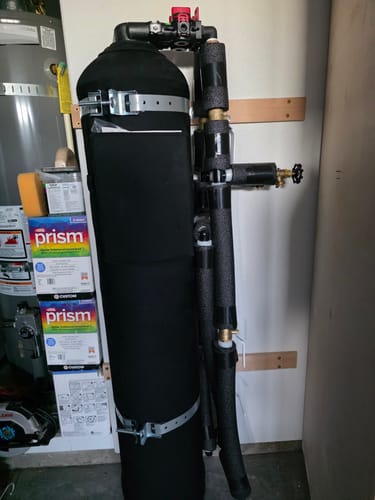
So how do we ascertain if iron has already taken up residence in our appliances?
Watch for reddish-brown stains on dishes and laundry—that's corrosion signaling serious internal damage.
A metallic taste or odor in your drinking water? That's iron contamination actively undermining your appliances' performance.
Notice your dishwasher or washing machine running longer cycles than usual? Iron deposits are likely clogging or degrading internal components.
Unusual noises during operation confirm that underlying damage is progressing.
Here's the financial reality: iron buildup insulates heating elements, forcing appliances to work harder and driving energy bills up 10-20%.
These warning signs aren't coincidental—they're compounding problems quietly draining our wallets.
Catching them early means the difference between a simple fix and a costly replacement.
What Iron Damage Actually Costs Homeowners Each Year
Five figures—that's the sobering territory iron damage can push homeowners into when its costs compound over time.
Let's break it down precisely. You're looking at $200–$400 annually in maintenance alone, plus energy bills climbing 15–30% as iron-clogged appliances strain to perform. That inefficiency isn't minor—it's measurable money disappearing monthly.
Now consider your water heater. Iron contamination can slash its lifespan from 12 years to just 6, pushing replacement costs near $5,000.
Layer in emergency repairs ranging from $250–$1,000 whenever iron-related failures strike unexpectedly, and the pattern becomes undeniable.
Here's what makes iron contamination particularly costly: it's cumulative. Each year of inaction compounds the damage, and over time, your total home expenses can effectively double.
Understanding this isn't alarmist—it's essential financial intelligence.
How Iron Buildup Cuts Appliance Lifespan in Half
Behind those annual dollar losses is a mechanical story worth understanding—iron doesn't just stain your sinks, it silently dismantles your appliances from the inside out.
Your water heater, designed to last 12 years, may fail at 6. Your washing machine's internal components corrode prematurely, cutting operational life in half. Dishwashers suffer damaged heating elements and functional decline well before they should.
Iron doesn't just stain—it silently cuts your appliances' lifespans in half before you ever see it coming.
Across every affected appliance, efficiency drops by over 30%, accelerating the breakdown cycle and pushing replacements sooner than budgeted.
We're not talking about minor inconveniences—we're talking about systematically losing thousands in appliance value ahead of schedule.
Understanding this mechanical deterioration is the first step toward stopping it before iron quietly forces your hand on another premature replacement.
How to Stop Iron Contamination Before It Costs You More
The good news is we can stop iron from draining our wallets—but only if we act before the damage compounds. Installing an iron removal system at the main water line immediately shields every appliance downstream, extending their lifespan by 5-7 years.
We should also test our water regularly—iron levels exceeding 0.3 mg/L silently accelerate appliance failure. Quarterly maintenance inspections catch early corrosion and buildup, saving us $200-$400 annually.
Adding phosphate-based treatments protects metal surfaces, boosting efficiency while slowing iron's destructive grip. Finally, keeping pipes clean and drainage systems well-aerated reduces contamination risk markedly.
These aren't optional upgrades—they're strategic investments. The homeowners who master these proactive measures stop paying iron's hidden tax before it ever appears on their repair bills.
Frequently Asked Questions
What Is Iron Contamination?
Iron contamination happens when iron-bearing rocks and minerals dissolve into our water supply, creating ferrous or ferric iron. We'll notice it as brown, rusty water or stains on our sinks and laundry.
How to Remove Iron Contamination?
We can tackle iron contamination by installing a whole-home filtration system, testing water regularly, applying phosphate-based treatments, and scheduling quarterly inspections—these proactive steps'll protect our appliances and prevent costly, long-term damage.






