


![SoftPro™ Chlorine+ Carbon Whole House Water Filter to Remove PFAS, Chlorine, Chloramine & Pesticides [City Water Filters Series]](http://www.softprowatersystems.com/cdn/shop/files/SoftPro_Whole_House_Carbon_Filter_with_Spin_Down_Water_Filter.webp?v=1783547361&width=140)


 855-683-8488


How Iron Water Ruins White Laundry — And What It Costs to Fix

Iron water silently ruins white laundry by leaving rust stains, yellowing fabrics, and making linens rough and stiff. Two forms of iron — dissolved and oxidized — both wreak havoc in your wash. Even worse, reaching for bleach permanently bonds those stains into your fabric. Costs can climb to $2,500 or more annually between treatments and replacements. Stick with us, and we'll show you exactly how to stop the damage before it starts.
Key Takeaways
- Iron in water causes yellow staining, fabric stiffness, and mysterious spots that worsen over time without proper treatment.
- Two iron forms exist: ferrous (invisible, dissolved) and ferric (oxidized, visible), both damaging white laundry differently.
- Chlorine bleach permanently bonds iron stains to fabric fibers, making discoloration impossible to reverse through rewashing.
- Annual costs can reach $2,560, combining weekly rust remover treatments and fabric replacements from iron water damage.
- Solutions range from water softeners ($400–$2,500) to filtration systems ($1,500–$3,000), offering varying protection levels.
How Iron Gets Into Your Water Supply and Stains White Clothes

When rainfall seeps through iron-rich soil and rock, it dissolves minerals and carries them into our groundwater — and that's how iron ends up flowing right out of our taps.
Rainfall seeps through iron-rich soil, dissolving minerals that quietly travel into groundwater and straight to your tap.
Well water is especially vulnerable since it pulls directly from mineral-dense aquifers.
Here's where it gets interesting: iron exists in two forms.
Ferrous iron is dissolved and invisible, while ferric iron is oxidized and visible as rust.
When ferric iron contacts white laundry, it reacts with detergents and fabric fibers, leaving those stubborn yellow, red, or brown stains we all dread.
Iron bacteria compound the problem further.
These microbes feed on dissolved iron and produce slimy deposits inside plumbing, which means our washing machines become staining agents themselves.
The Hidden Signs Iron Water Is Damaging Your Laundry
| Hidden Sign | What's Actually Happening |
|---|---|
| Yellowing whites over time | Iron oxidizing within fabric fibers |
| Post-ironing mystery spots | Rusty water sputtering from clogged vents |
| Stiff, rough-feeling linens | Iron mineral buildup altering texture |
| Bleach making stains worse | Chlorine permanently setting rust discoloration |
Recognizing these early warning signs matters enormously. Once iron stains set — especially after bleaching — we're often looking at replacement costs rather than restoration costs. That's an expensive lesson most of us only learn once.
What It Actually Costs to Keep Washing Iron-Contaminated Laundry
The financial damage from iron-contaminated water adds up faster than most of us realize. Each rust remover treatment runs $15–$30, and if we're battling stains weekly, that's potentially $1,560 annually — before factoring in premature fabric replacement costs averaging $1,000 more. That's a serious hit.
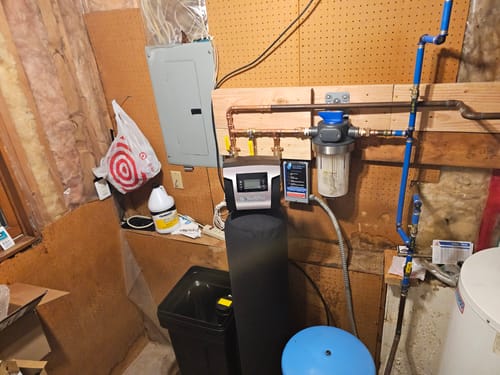
So what's the smarter play? A water softener costs $400–$2,500 upfront but starts cutting those recurring expenses immediately. For severe contamination, a chlorination/filtration system runs $1,500–$3,000 — a steeper investment, but one that protects both our laundry and appliances long-term.
We can also add non-precipitating water softeners to our wash cycle for just $10–$20 monthly, extending fabric life considerably.
Once we see the true numbers, the case for treating iron-contaminated water becomes impossible to ignore.
Why Chlorine Bleach Locks Iron Stains Into Fabric for Good
Most of us reach for chlorine bleach instinctively when we spot white laundry looking dingy — but on iron-stained fabrics, that instinct is catastrophic. Chlorine bleach doesn't lift iron stains; it chemically bonds them permanently into the fabric fibers.
Once that reaction occurs, no amount of rewashing reverses it. What you're left with isn't clean white laundry — it's yellowed, discolored fabric that's practically ruined.
The problem compounds in absorbent materials like cotton, where bleach penetrates deeply, locking iron deeper into every fiber.
Iron contamination often enters during the wash cycle itself through iron-laden water, meaning we're sometimes setting stains we didn't even know existed.
The fix isn't more bleach — it's using the right rust remover from the start, before chlorine makes the damage permanent.
How to Remove Iron From Your Water Before It Strikes Again
Once we realize iron is wrecking our laundry, it's time to cut it off at the source — the water itself.
Start by testing your water — iron type and concentration determine which solution actually works.
Test your water first — iron type and concentration point directly to the solution that will actually work.
For low iron levels, a mechanical water softener handles the job cleanly.
Moderate to high concentrations demand heavier artillery: oxidizing filters or chlorination-filtration systems that neutralize iron before it reaches your washer.
If whole-house treatment isn't feasible yet, a point-of-use filter installed directly at the washing machine buys immediate protection.
Don't overlook iron bacteria either.
Regular well disinfection eliminates the biological source of rust formation, protecting both laundry and plumbing long-term.
Match the solution to your specific iron problem — precision here saves fabric, money, and frustration downstream.
Frequently Asked Questions
How to Fix Ruined White Clothes?
We can fix rust-stained white clothes by applying a commercial rust remover designed for colorfast fabrics, then washing with a non-precipitating water softener. Always add an extra rinse, and never use chlorine bleach—it'll permanently set those stains.
Does Iron in Water Damage Clothes?
Yes, iron in water absolutely damages clothes. It causes yellowing, rust-colored streaks, and stiffness in white fabrics. When we mix iron-heavy water with chlorine bleach, we permanently set those stubborn stains into our laundry.
How to Get White Clothes White Again in Hard Water?
We'll restore white clothes by using a non-precipitating water softener with heavy-duty detergent in every wash and rinse cycle. Add an extra rinse, and apply commercial rust removers to tackle stubborn iron stains effectively.
What Can Remove Iron Mold From White Clothes?
We can tackle iron mold using a commercial rust remover made for fabrics or an oxalic acid solution. Just remember to rinse thoroughly—and never reach for bleach, as it'll permanently set those stubborn stains.






