


![SoftPro™ Chlorine+ Carbon Whole House Water Filter to Remove PFAS, Chlorine, Chloramine & Pesticides [City Water Filters Series]](http://www.softprowatersystems.com/cdn/shop/files/SoftPro_Whole_House_Carbon_Filter_with_Spin_Down_Water_Filter.webp?v=1783547361&width=140)


 855-683-8488


How Much Does Iron Shorten the Life of Your Appliances? (With Numbers)

Iron in your water can shorten appliance lifespans by 30–50% and strip 3–5 years from water heaters and dishwashers alone. Once iron levels exceed 0.3 mg/L, rust clogs pipes, burns out heating elements, and drives energy bills up 15–30% annually. We're talking $2,000 or more in cumulative damage within just a few years. The full picture of what iron is actually doing to your home is even more eye-opening than these numbers suggest.
Key Takeaways
- Iron in water above 0.3 mg/L can shorten appliance lifespans by 30-50%, costing thousands in premature replacements.
- Water heaters lose 3-5 years of service life due to iron sediment attacking heating elements directly.
- Dishwashers and washing machines experience up to 20% reduced cleaning efficiency from iron-related water flow restrictions.
- Iron buildup increases energy consumption by 15-30% annually, accelerating appliance failure and raising utility bills significantly.
- Cumulative iron damage across appliances can exceed $2,000 within just a few years.
How Iron Corrodes, Clogs, and Degrades Appliances

When iron-laden water flows through our appliances, it sets off a chain reaction of damage that quietly chips away at their lifespan. Iron particles accelerate internal corrosion, shrinking appliance lifespans by 30-50%. That's not just wear and tear—that's years of lost utility.
Rust deposits compound the problem by clogging pipes and heating elements, forcing appliances to work harder and consume 10-20% more energy.
Dishwashers and washing machines lose up to 20% cleaning efficiency as restricted water flow undermines their performance.
Water heaters take a particularly hard hit. Iron sediment coats heating elements, cutting their lifespan by 3-5 years.
Without intervention, we're looking at more frequent repairs, premature replacements, and costs that snowball well beyond what most homeowners anticipate.
Which Appliances Take the Hardest Hit From Iron?
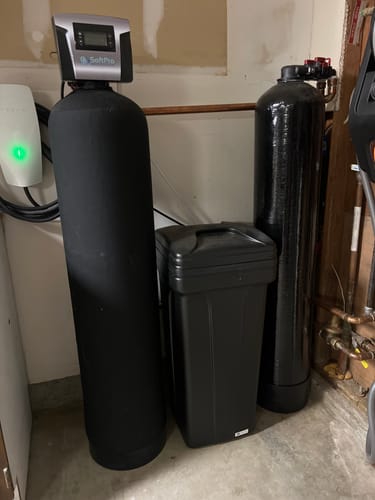
Not all appliances suffer equally when iron enters the picture. Some take a far harder hit than others, and knowing which ones helps us prioritize protection.
Dishwashers face the steepest consequences—iron buildup slashes their lifespan by 30-50%, turning a long-term investment into a short-term expense.
Iron buildup hits dishwashers hardest—slashing their lifespan by 30-50% and turning a long-term investment short.
Water heaters aren't far behind, losing 3-5 years of service life as deposits choke efficiency.
Washing machines deal with a different kind of damage: rust stains ruin clothing while performance drops up to 20%.
What ties these together? Every affected appliance works harder to compensate for clogged components, driving energy consumption up 10-20%.
We're not just talking shortened lifespans—we're talking higher utility bills alongside them.
Iron creates a compounding problem that hits us from multiple directions simultaneously.
How Many Years Does Iron Actually Take Off Appliance Life?
How much of an appliance's life does iron actually steal? More than most homeowners realize.
Iron buildup can shave 3 to 5 years off appliances like dishwashers and water heaters—and in severe cases, it's cutting lifespan by 30 to 50%. That's not gradual wear; that's premature failure on an accelerated timeline.
Here's what drives those numbers: iron sediment attacks heating elements directly, forcing them to work harder and burn out faster.
Water heaters already consuming 15-30% more energy due to iron buildup aren't just costing you more monthly—they're exhausting their operational capacity sooner.
Once iron levels exceed 0.3 mg/L, the damage compounds quickly. Understanding these thresholds helps us make smarter treatment decisions before replacements become unavoidable.
How Much Iron Damage Costs You Each Year
The annual price tag of iron damage adds up faster than most homeowners expect. Let's break down exactly where your money's going:
Iron damage costs add up faster than most homeowners expect—and the breakdown reveals exactly where your money disappears.
- Appliance wear: Iron above 0.3 mg/L accelerates replacement cycles, costing thousands prematurely.
- Energy bills: Iron buildup inflates utility costs by 15-30% annually—hundreds of unnecessary dollars.
- Pipe repairs: Clogged components average $500 yearly in preventable repair costs.
- Cleaning products: Iron staining demands specialty cleaners, adding $200-$300 annually.
These aren't isolated expenses—they compound. Within just a few years, cumulative iron damage can exceed $2,000.
That's real money disappearing into a problem most homeowners don't even realize they have. Understanding these numbers is the first step toward stopping them.
How to Choose an Iron Filtration System for Your Home
Now that we comprehend what iron damage costs us, let's put that money back where it belongs—in our pockets.
Choosing the right iron filtration system starts with knowing your water's iron concentration. Levels above 0.3 mg/L accelerate appliance failure, so test first.
Next, confirm the system targets both ferrous and ferric iron—dissolved and oxidized forms require different treatment mechanisms. A system handling only one type leaves you vulnerable.
Check the flow rate, too. A system that can't keep up with your household's demand creates pressure drops that defeat the purpose.
Finally, prioritize systems with straightforward filter replacement schedules. Consistent maintenance is what sustains performance.
A whole-house system can cut energy costs by 10-20%—that's real, measurable savings protecting every appliance simultaneously.
Frequently Asked Questions
What Is the 50 50 Rule for Appliances?
The 50-50 Rule tells us that iron in your water can shorten your appliances' lifespan by 30-50%, meaning you'll replace them nearly twice as often—costing you considerably more over time.
Can Appliances Last 20 Years?
Yes, appliances can last 20 years or more—but only under ideal conditions. We're talking proper maintenance, regular servicing, and installing iron filtration systems to prevent the accelerated wear that iron-contaminated water causes.
How Can I Tell if I Have Iron in My Water?
We'll spot iron by watching for reddish-brown stains on sinks, a metallic taste in tap water, or clear water turning brownish-orange after sitting. Testing confirms it—levels above 0.3 mg/L signal a problem.
What Is the Average Lifespan of an Appliance?
Appliances don't last forever—dishwashers average 9-10 years, washing machines 10-15, water heaters 8-12, and refrigerators 10-20. Maintenance and water quality are the biggest factors we can control to maximize that lifespan.






