


![SoftPro™ Chlorine+ Carbon Whole House Water Filter to Remove PFAS, Chlorine, Chloramine & Pesticides [City Water Filters Series]](http://www.softprowatersystems.com/cdn/shop/files/SoftPro_Whole_House_Carbon_Filter_with_Spin_Down_Water_Filter.webp?v=1783547361&width=140)


 855-683-8488


How to Protect Your Water Softener Resin From Iron Fouling and Extend Its Service Life

To protect your water softener resin from iron fouling, we recommend installing pre-treatment systems like activated carbon filters or coagulants to intercept iron before it ever reaches the resin bed. Choose iron-resistant resins like Purolite SST, which capture iron at the bead surface. Keep your brine tank above half full, regenerate every four to seven days, and clean the resin annually. Everything you need to build a complete protection plan is ahead.
Key Takeaways
- Install pre-treatment systems like activated carbon filters or coagulants to reduce iron levels before water reaches the softener resin.
- Select iron-resistant resins, such as Purolite SST, which capture iron at the bead surface to slow fouling progression.
- Perform annual deep cleanings and semi-annual light cleanings to remove iron deposits and maintain resin performance.
- Schedule regeneration cycles every 4–7 days, maintaining proper salt concentrations to flush accumulated iron from the resin bed.
- Monitor incoming water quality consistently and deploy coagulants or pre-filters immediately when iron levels spike.
Why Iron Fouling Destroys Softener Resin Over Time

When iron sneaks into your water supply, it doesn't just cause rust stains in your sink — it slowly suffocates your softener's resin beads.
Dissolved iron precipitates directly onto those beads, forming stubborn deposits that block ion exchange. Once that process is compromised, your softener struggles to do its job.
The consequences compound quickly. You'll notice discoloration and foul odors in your softened water — both signs that resin damage is already underway.
Your system compensates by demanding more frequent regeneration cycles, burning through salt and driving up costs. Left unchecked, fouled resin becomes completely ineffective within just a few years, forcing an expensive replacement.
Iron fouling isn't a slow inconvenience — it's an accelerating threat that quietly dismantles your system from the inside out.
Pre-Treatment Systems That Block Iron Before the Resin
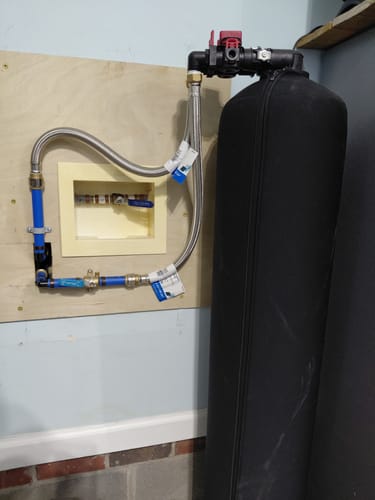
The smartest move we can make is stopping iron before it ever touches the resin. Pre-treatment isn't optional—it's the defense line separating a thriving system from a fouled one.
| Pre-Treatment Method | Primary Function | Iron Reduction Benefit |
|---|---|---|
| Activated Carbon Filtration | Removes natural organic matter | Reduces oxidizing agents causing fouling |
| Aluminum/Iron Coagulants | Captures suspended solids | Lowers iron levels pre-resin |
| Macroporous Weak Base Anion Resin | Traps organics and iron | Shields standard resin beds |
| Purolite SST Softening Resin | Surface-level iron capture | Slows fouling progression |
| Water Quality Monitoring | Tracks incoming iron levels | Enables early intervention |
Each layer compounds the last. We're not guessing—we're systematically dismantling iron's ability to reach the resin at all.
The Right Resin Type for Iron Fouling Resistance
Blocking iron before it reaches the resin buys us time—but choosing the right resin from the start is what wins the long game.
Not all resins handle iron equally. Purolite's Shallow Shell Technology (SST) resins capture iron near the bead surface, keeping fouling contained and dramatically slowing degradation.
Higher cross-linked resins add another layer of protection, resisting oxidative damage that iron accelerates. Together, these design advantages mean fewer resin replacements, less downtime, and tighter operational control.
We're not just buying resin—we're investing in service longevity. The right choice today directly extends the interval before our next costly intervention.
Consult with a specialist like Purolite to match the exact resin engineered for your iron challenge. Precision here pays off exponentially downstream.
When to Clean, Regenerate, or Replace Fouled Softener Resin
Even the best resin eventually tells us it's struggling—we just need to know how to listen. Pressure drops and rising conductivity readings are your resin's distress signals. When those appear, act decisively.
Here's our recommended decision framework:
- Clean thoroughly at least once annually; perform lighter cleanings every six months to prevent fouling before it compounds.
- Regenerate consistently every 4–7 days using salt concentrations matched to your water hardness.
- Call a professional when hard water symptoms intensify despite routine maintenance—deeper fouling demands expert intervention.
- Replace entirely every 10–15 years, since aging resin loses capacity regardless of how well you've maintained it.
Mastering this rhythm means you're never reactive—you're always ahead of the problem.
Salt Levels, Regeneration Cycles, and Monitoring Routines That Prevent Iron Fouling
Iron is resin's most relentless enemy, and it doesn't announce itself—it quietly accumulates until your system's already losing the battle.
That's why prevention beats recovery every time.
Keep your brine tank at least half full—low salt means incomplete regeneration, and incomplete regeneration means iron gains ground. Set regeneration cycles to fire every four to seven days based on actual usage, not guesswork.
Demand-initiated regeneration takes that further, syncing cycles to real consumption and minimizing unnecessary resin exposure.
Add sediment or pre-filters upstream to intercept iron before it ever touches the resin.
Then monitor incoming water quality consistently—if iron levels spike, deploy coagulants proactively.
These aren't optional steps. They're the disciplined routines that separate a system that lasts from one that quietly fails.
Frequently Asked Questions
What Is the Lifespan of Water Softener Resin?
We're looking at a typical lifespan of 10 to 15 years for water softener resin, but water quality, chlorine exposure, and iron levels can greatly accelerate degradation, shortening that window considerably.
Why Are States Banning Water Softeners?
States are banning water softeners because they discharge excess sodium into wastewater, raising salinity levels that harm aquatic ecosystems, degrade soil quality, and create costly municipal water treatment challenges — driving demand for salt-free alternatives.
Can Resin Remove Iron From Water?
Yes, we can use ion exchange resin to remove dissolved ferrous iron from water. It swaps iron for sodium ions during softening, but high ferric iron levels'll foul the resin, reducing its effectiveness.
How to Maintain Water Softener Resin?
We recommend cleaning resin lightly every six months and deeply annually, monitoring iron levels consistently, using high-purity salt, employing activated carbon pre-filtration, and scheduling professional inspections to catch early degradation signs before they compromise performance.






