


![SoftPro™ Chlorine+ Carbon Whole House Water Filter to Remove PFAS, Chlorine, Chloramine & Pesticides [City Water Filters Series]](http://www.softprowatersystems.com/cdn/shop/files/SoftPro_Whole_House_Carbon_Filter_with_Spin_Down_Water_Filter.webp?v=1783547361&width=140)


 855-683-8488


Hydrogen Sulfide and Iron in Well Water: How to Treat Both Effectively With a Single System

When iron and hydrogen sulfide share your well water, you're dealing with two contaminants that reinforce each other's damage. Iron causes rust stains and clogs pipes, while hydrogen sulfide accelerates corrosion and fills your home with that rotten egg smell. Treating just one leaves the other free to cause havoc. Fortunately, combined systems like Katalox Light filtration, aeration, or hydrogen peroxide treatments tackle both simultaneously. Stick with us and we'll walk you through everything you need to make the right call.
Key Takeaways
- Iron and hydrogen sulfide commonly co-exist in well water due to shared acidic conditions, bacterial activity, and low-oxygen environments.
- Treating only one contaminant leaves the other causing staining, corrosion, appliance damage, and escalating repair costs.
- Katalox Light filtration uses manganese dioxide to simultaneously remove both iron and hydrogen sulfide in one system.
- Aeration systems naturally oxidize hydrogen sulfide and iron without chemicals, making them ideal for moderate contamination levels below 2 mg/L.
- Adding a carbon filter as a final polishing stage captures residual particles, ensuring complete removal of both contaminants.
Why Iron and Hydrogen Sulfide Appear Together in Well Water

When you pull water from a well, you're tapping into a complex underground environment where iron and hydrogen sulfide often travel together.
Here's why: both contaminants thrive under the same geological conditions, particularly in acidic bedrock where they dissolve freely into groundwater.
Sulfur-reducing bacteria make this pairing even more common. These microbes love low-oxygen environments, exactly what groundwater provides, and they simultaneously produce hydrogen sulfide while accelerating iron oxidation.
When organic matter enters the equation, bacterial activity intensifies, pushing both contaminants higher.
Organic matter fuels bacterial growth, sending iron and hydrogen sulfide levels sharply upward.
There's also a chemical relationship at play. High iron concentrations promote metallic sulfide formation, which links directly to hydrogen sulfide presence.
In fact, wells exceeding 0.3 mg/L of iron almost always show detectable hydrogen sulfide levels, confirming their shared underground origins.
The Corrosion, Staining, and Health Risks Iron and H2S Cause
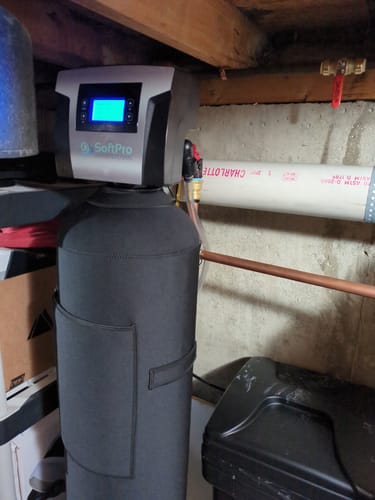
Now that we recognize why iron and hydrogen sulfide show up together, let's look at what they actually do to your home and health.
These two contaminants don't just create inconveniences—they actively damage your home and threaten your well-being.
| Problem Area | Iron Impact | H₂S Impact |
|---|---|---|
| Staining | Brown/red/yellow fixtures and laundry | Black/yellow metallic sulfide stains |
| Plumbing | Clogging and blockages | Accelerated corrosion |
| Appliances | Shortened lifespan | Deterioration from sulfide exposure |
| Health | Minimal direct risk | Eye and respiratory irritation |
| Costs | Higher maintenance bills | Expensive repairs over time |
Left untreated, you're looking at compounding damage—corroded pipes, ruined appliances, stained laundry, and water that smells and tastes terrible. The longer you wait, the more expensive the consequences become.
What Happens When You Only Treat One and Ignore the Other
Treating only one contaminant while ignoring the other is like patching one hole in a leaky boat—you're still sinking. If you tackle hydrogen sulfide but leave iron untreated, you're still dealing with staining, clogging, and a system that's quietly failing.
Iron worsens taste and odor, undermines your H2S treatment equipment, and accelerates corrosion when both contaminants interact. The repair bills compound fast. Conversely, treating iron alone doesn't eliminate the sulfur smell or stop H2S from corroding your plumbing.
Both contaminants feed each other's damage. Partial solutions create a false sense of security while the untreated problem quietly destabilizes everything downstream.
That's why dual treatment isn't optional—it's the only approach that actually protects your water quality, your plumbing, and your wallet long-term.
Which Single-System Treatment Methods Actually Work Best
So once we've established that dual treatment is non-negotiable, the next logical question is: what actually works? We've tested and researched the best single-system options, and here's what consistently delivers results:
| Treatment Method | Removes H₂S | Removes Iron |
|---|---|---|
| Katalox Light Filtration | ✅ Yes | ✅ Yes |
| Aeration Systems | ✅ Yes | ✅ Yes |
| Hydrogen Peroxide | ✅ Yes | ✅ Yes |
| Ion Exchange Filters | ✅ Yes | ✅ Yes |
Each method works differently. Katalox uses manganese dioxide to oxidize both contaminants simultaneously. Aeration introduces oxygen, converting hydrogen sulfide into filterable sulfur. Hydrogen peroxide hits harder, tackling elevated iron levels with minimal maintenance. Ion exchange swaps contaminants for chloride ions but demands regular upkeep.
Whatever you choose, test your water afterward. Results don't lie.
How to Choose the Right Combined Treatment System for Your Well
Choosing the right combined treatment system comes down to 3 key variables: your hydrogen sulfide concentration, your iron levels, and how much ongoing maintenance you're willing to commit to.
Here's how we break it down:
- Moderate contamination (H₂S below 2 mg/L): Aeration systems oxidize both contaminants naturally—no chemicals required.
- Higher concentrations: Manganese dioxide oxidizing filters or hydrogen peroxide-integrated systems like Katalox handle broader contamination ranges efficiently.
- Final polishing: Always include a carbon filter stage to capture residual oxidized particles from both contaminants.
Whatever system you're considering, consult a water treatment professional.
They'll assess your specific concentration levels and plumbing configuration, preventing costly mismatches and ensuring long-term performance with minimal maintenance surprises.
Frequently Asked Questions
How Do You Remove Sulfur and Iron From Well Water?
We'll tackle both sulfur and iron using a single system—aeration, hydrogen peroxide injection, or catalytic media like Katalox light oxidizes contaminants, converting them into filterable particles, eliminating that rotten-egg odor and discolored water simultaneously.
How Do I Get Rid of Hydrogen Sulfide in My Well Water?
We recommend using aeration or activated carbon filtration to eliminate hydrogen sulfide from your well water. For persistent issues, a Katalox light filter effectively tackles both hydrogen sulfide and iron, giving you clean, odor-free water.
What Kills Hydrogen Sulfide Bacteria?
We can kill hydrogen sulfide bacteria using shock chlorination, hydrogen peroxide, or aeration systems. Each method disrupts the anaerobic conditions these bacteria thrive in, effectively eliminating them while restoring your water's safety and freshness.
How to Treat Well Water With High Iron Content?
We recommend using water softeners, iron removal systems, or oxidation methods like hydrogen peroxide or chlorine for high iron levels. For concentrations above 3.0 ppm, twin-tank or catalytic systems deliver the most reliable, long-lasting results.






