


![SoftPro™ Chlorine+ Carbon Whole House Water Filter to Remove PFAS, Chlorine, Chloramine & Pesticides [City Water Filters Series]](http://www.softprowatersystems.com/cdn/shop/files/SoftPro_Whole_House_Carbon_Filter_with_Spin_Down_Water_Filter.webp?v=1783547361&width=140)


 855-683-8488


Iron Bacteria Removal Methods for Well Water: From Shock Chlorination to UV Treatment Compared

When iron bacteria invade your well, they don't go down without a fight. These organisms hide behind protective biofilms that standard filtration can't penetrate. Shock chlorination is your most powerful first strike, flooding the well with high-dose chlorine to knock out established colonies. UV treatment alone won't cut it since biofilms block the light entirely. Together, though, they form a layered defense that actually works, and we'll show you exactly how.
Key Takeaways
- Shock chlorination is the most effective method for eliminating iron bacteria, flooding the well with high-dose chlorine to destroy established colonies.
- UV treatment alone cannot eliminate iron bacteria, as protective biofilms block UV light and prevent effective disinfection.
- Iron bacteria produce reddish, slimy biofilms that clog pipes, create unpleasant odors, and degrade overall water quality.
- Combining shock chlorination with UV disinfection creates a layered defense, addressing both immediate contamination and ongoing bacterial prevention.
- Routine maintenance, including annual UV bulb replacements and post-treatment monitoring, is essential to prevent iron bacteria from returning.
What Is Iron Bacteria and Why Is It So Hard to Kill?

Iron bacteria are microscopic organisms that feed on dissolved iron in your well water, using it to produce a reddish, slimy biofilm that coats your pipes, clogs your filters, and leaves behind an unpleasant musty odor.
While they won't make you sick, they'll steadily degrade your water quality and drive up maintenance costs.
What makes them genuinely difficult to eliminate is their protective biofilm. That slimy coating acts like armor, shielding the bacteria from standard filtration methods that would otherwise neutralize common contaminants.
By the time you notice the telltale reddish sludge or reduced water flow, the colony is already well-established.
That's why understanding their biology isn't just academic—it's the foundation for choosing treatments that actually work.
How Shock Chlorination Targets Iron Bacteria and When It's Enough
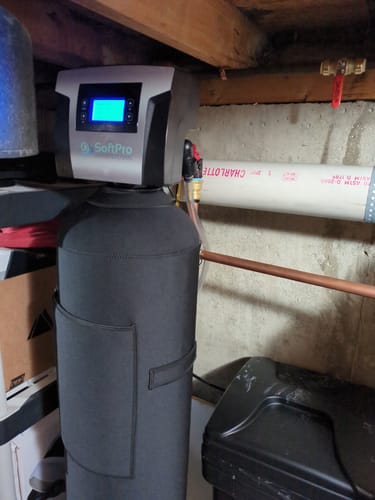
When iron bacteria dig in deep, shock chlorination is often our first and most powerful line of attack.
We're flooding the well with high chlorine concentrations, circulating it thoroughly, letting it sit for hours, then flushing everything out. It's aggressive, deliberate, and effective at knocking iron bacteria back considerably.
But here's what we need to understand: shock chlorination kills bacteria; it doesn't eliminate them entirely.
They can resurge, especially after well maintenance or when contamination signals reappear. That's why we treat it as a strategic reset, not a permanent fix.
When we combine shock chlorination with UV disinfection, we're building a layered defense—one that handles immediate threats while protecting against what's coming next.
Layered defense isn't redundancy—it's strategy. Handle today's threat while standing guard against tomorrow's.
That's the difference between managing a problem and actually solving it.
Why UV Alone Won't Eliminate Iron Bacteria
UV treatment sounds like a clean, modern solution—and it is, but only up to a point. When iron bacteria enter the picture, UV's limitations become painfully clear.
| UV Treatment | Iron Bacteria Reality |
|---|---|
| Neutralizes pathogens effectively | Doesn't target iron bacteria |
| Relies on direct light exposure | Biofilms block UV penetration |
| No residual disinfection effect | Recontamination goes unchecked |
| Works best in clear water | Iron particulates scatter UV light |
| Strong standalone solution | Requires shock chlorination first |
Iron bacteria build biofilms that act like shields, protecting themselves and neighboring microorganisms from UV exposure. High dissolved iron compounds this problem, creating conditions where bacteria thrive post-treatment. UV simply can't eliminate what it can't reach—making shock chlorination the necessary first step before UV treatment becomes truly effective.
Shock Chlorination vs UV: Which One Actually Works on Iron Bacteria?
So now that we recognize UV treatment can't crack iron bacteria on its own, let's settle the real debate—which method actually gets the job done?
Shock chlorination wins this round. It delivers a concentrated chlorine blast that eliminates iron bacteria from your well and plumbing system immediately. UV simply wasn't designed for this fight—it targets pathogens like E. coli, leaving iron bacteria completely untouched.
But here's the nuance mastery-minded homeowners need: shock chlorination is a one-time knockout, not a permanent solution. Without ongoing well maintenance and water quality management, iron bacteria will stage a comeback.
The smartest approach? Combine both methods. Start with shock chlorination to eliminate existing colonies, then deploy UV disinfection as your continuous defense against other contaminants. That's genuine long-term protection.
The Two-Step Treatment Plan That Keeps Iron Bacteria From Coming Back
The two-step treatment plan is the closest thing to a permanent fix you'll find for iron bacteria.
First, we hit the problem hard with shock chlorination — flooding your well and plumbing with a high chlorine dose that wipes out existing bacteria and any other microorganisms hiding in the system. That's your knockout punch.
Shock chlorination floods your well with high-dose chlorine — wiping out iron bacteria and hidden microorganisms in one powerful hit.
But here's where most people stop short.
Chlorination alone doesn't prevent recontamination. That's why we follow it with a UV disinfection system, creating a continuous sterilization barrier that targets bacteria and viruses without chemicals.
The final piece? Routine maintenance.
Annual bulb replacements and regular system checks keep your UV unit performing at full strength. Together, these steps don't just solve today's problem — they protect your water year-round.
Frequently Asked Questions
What Is the Best Water Treatment for Iron Bacteria?
We've found that combining shock chlorination with UV treatment delivers the best results. Shock chlorination eliminates existing iron bacteria instantly, while UV treatment continuously prevents regrowth, giving you lasting, clean, bacteria-free well water.
What Is One Benefit of Using UV Light Instead of Chlorination?
One benefit we love about UV light is that it won't alter your water's taste or smell. Unlike chlorination, it leaves zero chemical residue, so you're drinking pure, naturally fresh-tasting water every time.
Will Shocking a Well Get Rid of Iron Bacteria?
Yes, shocking your well can eliminate iron bacteria! We circulate high-dose chlorine throughout your entire system, let it sit 12-24 hours, then flush it out—effectively killing those slimy, odor-causing microorganisms that've invaded your water supply.
Which Disinfection Method Is the Most Cost-Effective in Water Treatment?
We'd say shock chlorination wins short-term affordability, but UV systems save more money long-term. If you're battling recurring iron bacteria, investing in UV treatment eliminates repeated chemical costs, making it the smarter financial choice overall.






