


![SoftPro™ Chlorine+ Carbon Whole House Water Filter to Remove PFAS, Chlorine, Chloramine & Pesticides [City Water Filters Series]](http://www.softprowatersystems.com/cdn/shop/files/SoftPro_Whole_House_Carbon_Filter_with_Spin_Down_Water_Filter.webp?v=1783547361&width=140)


 855-683-8488


SoftPro Iron Filter Complete Review: Real Results After 18 Months
Hi, I'm Robert. I live in California. Craig "The Water Guy" Phillips asked me to share my experience as a homeowner on Iron Filter I purchased. This is how my adventures played out. I hope this helps you in your decision.
Eighteen months ago, I was dealing with one of the most frustrating water problems a homeowner can face: iron contamination that was slowly destroying my home's plumbing and leaving rusty stains on everything. What started as minor discoloration in my bathroom fixtures had escalated into a full-blown crisis that was affecting our daily lives in ways I never imagined.
The rust-colored water coming from our taps wasn't just unsightly—it was embarrassing when guests visited, expensive to clean up after, and genuinely concerning from a health perspective. I spent countless hours researching solutions, comparing technologies, and trying to understand the complex world of iron filtration systems. After extensive evaluation, I invested in a comprehensive iron filter system, and I want to share exactly what that experience has been like.
This isn't a quick product overview or a list of manufacturer specifications. This is my real story of living with iron-contaminated well water, the research journey that led me to choose this particular solution, the installation process I went through, and most importantly, the actual results I've experienced over a year and a half of daily use. I'll cover everything from the initial investment costs to the ongoing maintenance requirements, the performance under different conditions, and whether I'd make the same choice again.
The Iron Contamination Problem That Changed Our Lives
Did you know that iron contamination affects more than 25% of private wells in the United States?
I certainly didn't realize how common this issue was until I found myself dealing with it firsthand.
Our problems started subtly about three years ago. I first noticed a slight metallic taste in our morning coffee, which I initially attributed to our old coffee maker. Then came the orange-brown stains in our toilet bowls and shower that no amount of scrubbing could remove. Within six months, the situation had deteriorated significantly.
The iron levels in our well water tested at 4.2 parts per million (PPM), which is more than twenty times the EPA's secondary standard of 0.3 PPM for aesthetic purposes. This level of ferrous iron was causing multiple problems throughout our home. Our white laundry was developing permanent rust stains, our dishwasher was leaving brown spots on glassware, and the aerators on our faucets were clogging with iron deposits every few weeks.
What really concerned me was the effect on our water heater. The iron was creating sediment buildup that reduced efficiency and required more frequent maintenance. Our plumber warned that the iron deposits could significantly shorten the lifespan of our water heater and other appliances. He estimated we were looking at thousands of dollars in premature appliance replacements if we didn't address the iron contamination.
The health implications were also troubling. While iron isn't typically dangerous at these levels, the metallic taste made drinking water unpleasant, leading our family to rely more on bottled water. The iron was also creating an environment where iron bacteria could thrive, producing that characteristic sulfur-like odor that made our water smell like rotten eggs intermittently.
Before finding the right solution, I tried several unsuccessful approaches. We installed a basic sediment filter, which had no impact on dissolved iron. I purchased iron removal cartridges from the hardware store, but they lasted only a few weeks before becoming saturated and useless. We even tried adding bleach to our well, which provided temporary relief but required constant maintenance and created its own set of problems with chlorine taste and odor.
Research Journey: Understanding Iron Filtration Technology
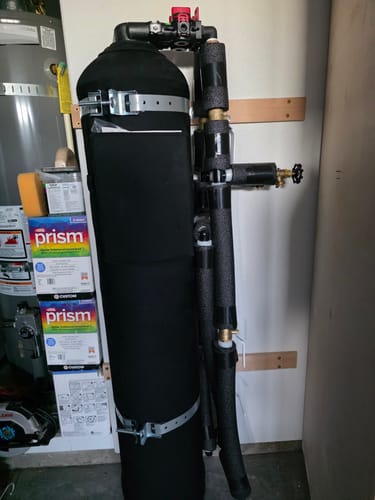
Frustrated with the temporary fixes, I dedicated several weeks to understanding iron filtration technology. This research phase was crucial because I discovered that not all iron filters are created equal, and choosing the wrong system could result in wasted money and continued problems.
I learned that iron exists in water in two primary forms: ferrous iron (dissolved) and ferric iron (precipitated). Our water testing revealed we had primarily ferrous iron, which is invisible when it first comes out of the tap but oxidizes and turns orange-brown when exposed to air. This explained why our water looked clear initially but left stains after sitting.
The most effective systems for our situation use an oxidation process followed by filtration. I researched three main approaches: air injection systems, chemical oxidation systems, and catalytic media filters. Each technology has specific advantages depending on water chemistry, iron concentration, and other contaminants present.
Air injection systems work by introducing oxygen into the water to convert ferrous iron to ferric iron, which can then be filtered out. These systems are effective for iron levels up to 10-15 PPM and also address hydrogen sulfide odors. The maintenance requirements include periodic air injection and backwashing cycles.
Chemical oxidation systems use chlorine or other oxidizing agents to convert iron, then remove the oxidizer with carbon filtration. While effective, these systems require ongoing chemical costs and more complex maintenance procedures.
Catalytic media systems use specialized filter media that both oxidizes and captures iron without requiring chemical addition. These systems typically have lower operating costs but may have higher upfront equipment costs.
After analyzing our specific water conditions, household size (family of four), and budget constraints, I determined that an air injection system would provide the best combination of effectiveness, reliability, and reasonable operating costs for our situation. The key factors in my decision were our iron concentration level, the presence of hydrogen sulfide odor, and my preference for a system that didn't require ongoing chemical purchases.
Unboxing and First Impressions
When the iron filter system arrived, I was immediately impressed by the packaging quality and attention to detail. The main components were well-protected with custom foam inserts, and everything arrived in perfect condition despite the substantial weight of the control valve and tank assembly.
The system included a 10-inch diameter by 54-inch tall fiberglass tank, a programmable control valve with digital display, air injection assembly, pressure tank for the air charge, and all necessary fittings and bypass valves. The build quality was immediately apparent—the control valve felt solid and well-engineered, with clear indicators and a logical control interface.
The documentation package was comprehensive, including detailed installation instructions, programming guide, water testing recommendations, and troubleshooting procedures. I appreciated that the manufacturer provided both technical specifications and practical guidance for homeowners attempting DIY installation.
One concern I had was the system's physical footprint. The main tank measures approximately 32 inches in height after installation, plus the additional space required for the air injection components. I had measured our utility room carefully, but seeing the actual equipment made me realize how important proper spacing is for maintenance access.
The air injection assembly was more sophisticated than I expected, featuring a venturi valve, check valves, and pressure regulation components. This complexity initially worried me about potential failure points, but the engineering appeared robust and well-thought-out for long-term reliability.
Installation Experience and Setup Process

I decided to tackle the installation myself, partly to save on professional installation costs and partly because I wanted to thoroughly understand how the system works. The process took most of a weekend, but that included time for careful planning and some unexpected complications.
Pre-installation preparation involved shutting off the main water supply, draining the pressure tank, and installing bypass valves around the intended filter location. I had purchased additional fittings and flex connectors to accommodate the specific layout of our utility room plumbing.
The most challenging aspect was positioning the equipment for optimal performance and maintenance access. The air injection system requires specific placement relative to the control valve and tank, and I had to modify my initial plan to ensure proper air flow and easy access to the pressure gauge.
Connecting the air injection assembly required careful attention to the venturi valve orientation and check valve positioning. The instruction manual was clear, but I double-checked each connection against the diagrams to ensure proper installation. Getting the air pressure correctly set took several adjustments and required monitoring over the first few days of operation.
Programming the control valve was straightforward once I understood the logic. The system allows for customizable backwash frequency based on water usage patterns and iron concentration. I initially set it for daily backwashing but later adjusted to every other day based on actual performance.
The first startup was exciting and nerve-wracking. After carefully checking all connections for leaks, I gradually restored water pressure and activated the system. The initial backwash cycle took about 45 minutes and discharged a significant amount of rusty water, which was encouraging evidence that the system was immediately working.
During the first week, I monitored the system closely, checking air pressure daily and observing the backwash discharge. The system consistently maintained proper air charge and operated quietly except during regeneration cycles.
Performance Analysis and Real-World Results
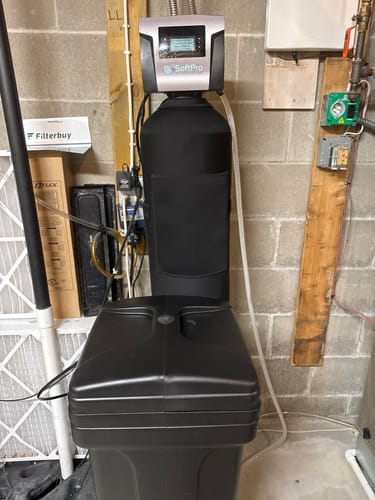
The transformation in our water quality was dramatic and immediate. Within 24 hours of installation, our tap water was running clear with no metallic taste or odor. I conducted water testing using both test strips and professional laboratory analysis to document the improvement.
Pre-filtration iron levels tested at 4.2 PPM, while post-filtration tests consistently showed iron levels below 0.1 PPM, which exceeds EPA guidelines for aesthetic quality. The system also eliminated the hydrogen sulfide odor that had been intermittently present, reducing sulfur levels from 2.1 PPM to undetectable levels.
Over the 18 months of operation, I've tested the water quarterly and performance has remained consistently excellent. Even during periods of heavy water usage, such as when we hosted extended family for holidays, the system maintained effective iron removal without any breakthrough or performance degradation.
The impact on our household appliances became evident within weeks. Our dishwasher started producing spotless glassware again, and the brown stains in our toilet bowls and shower gradually disappeared as existing iron deposits were cleaned away. Most importantly, we stopped experiencing the constant clogging of faucet aerators and showerheads.
I measured water pressure before and after installation to ensure the system wasn't creating problematic flow restrictions. Pressure dropped by approximately 3 PSI, from 52 PSI to 49 PSI, which is barely noticeable during normal use. Even with multiple fixtures running simultaneously, we haven't experienced any flow rate issues.
The air injection system operates at a flow rate of up to 15 gallons per minute, which easily handles our peak demand. During backwash cycles, the system uses approximately 150 gallons of water and operates for about 35 minutes. This occurs every other day based on our current programming.
One unexpected benefit was the improvement in our laundry. White clothes that had developed permanent rust stains gradually returned to their original appearance after several washes with the treated water. Our washing machine also stopped showing signs of iron buildup in the drum and dispensers.
Daily Living Impact and Family Benefits
The most significant change has been the return of confidence in our home's water quality. My wife no longer hesitates to use tap water for cooking, and our children can drink directly from faucets without that metallic taste that had become our unwelcome normal.
Coffee and tea taste dramatically better, allowing us to appreciate the actual flavors without iron interference. We've eliminated our reliance on bottled water for drinking and cooking, which has resulted in both cost savings and reduced plastic waste. I estimate we were spending approximately $40 per month on bottled water, which means the filtration system has already begun paying for itself.
Household cleaning has become significantly easier. The bathroom fixtures that required weekly scrubbing to remove iron stains now stay clean with minimal maintenance. Our shower glass doors, which had developed permanent orange discoloration, gradually cleared up and now remain spotless with regular cleaning.
Guests have commented on the improved taste and clarity of our water, which was particularly gratifying since the iron problem had been a source of embarrassment. During a recent dinner party, several friends asked about our water treatment system after noticing the quality difference.
The elimination of hydrogen sulfide odor has made our utility room much more pleasant. Previously, the intermittent rotten egg smell made doing laundry unpleasant and concerning. Now the area smells neutral, and I'm confident about the air quality when working on maintenance tasks.
Our water heater performance has improved noticeably. The recovery time is faster, and our plumber confirmed during routine maintenance that iron sediment accumulation has stopped. He estimated this could extend the water heater's lifespan by 5-7 years, representing significant cost avoidance.
Operating Costs and Long-Term Economics
Understanding the true cost of ownership has been important for evaluating whether this investment made financial sense. Beyond the initial equipment cost, the ongoing operational expenses include electricity for the control valve, water used during backwashing, and periodic maintenance requirements.
The electrical consumption is minimal—the control valve uses approximately 5 watts during operation, similar to a small LED light bulb. Based on our electricity rates, this adds roughly $3-4 annually to our utility bills.
Water consumption for backwashing represents the largest ongoing cost. Each cycle uses approximately 150 gallons, and with every-other-day regeneration, that's about 27,000 gallons annually. At our municipal water rates of $8 per thousand gallons, backwashing costs approximately $216 per year.
The air injection system requires minimal consumables. The venturi valve and check valves are designed to last for years under normal conditions. I've replaced the air volume control valve once during the 18 months, at a cost of $25, but this was precautionary rather than necessary due to failure.
Professional maintenance isn't required, but I have the system inspected annually by a water treatment specialist. This costs $125 and includes testing, calibration, and cleaning of components. While not mandatory, I consider this good insurance for protecting my investment.
When I calculate the cost savings from eliminating bottled water purchases, reduced appliance maintenance, and avoided premature replacements, the system has already achieved positive cash flow. The protection of our water heater alone justifies the investment, considering replacement costs would exceed $2,000.
Comparing to alternative solutions, the ongoing costs are reasonable. Chemical oxidation systems would require monthly purchases of chlorine and carbon filters, while other technologies have different maintenance requirements and consumable costs.
Honest Assessment: Limitations and Considerations
While I'm extremely satisfied with the system's performance, honesty requires acknowledging some limitations and considerations that potential buyers should understand.
The physical space requirement is significant. The system occupies approximately 6 square feet of floor space when you include clearance for maintenance access. Homeowners with limited utility room space might find this challenging, and the equipment must be protected from freezing temperatures.
Noise during regeneration cycles is noticeable but not problematic. The backwash process creates water flow sounds similar to a washing machine filling and draining. Since regeneration typically occurs early morning or late evening based on programming, this hasn't been disruptive, but it's audible from adjacent rooms.
The system requires consistent electrical power to maintain programming and operate the control valve. During power outages, the system stops functioning, and we temporarily return to iron-contaminated water. A battery backup is available but represents additional cost and complexity.
Water usage for backwashing might concern homeowners on private wells with limited capacity. While 150 gallons every other day isn't excessive for most wells, those with marginal water production should verify adequate flow rates before installation.
The learning curve for optimization took several months. Understanding the relationship between backwash frequency, water usage patterns, and performance requires observation and adjustment. I modified the programming three times during the first year to achieve optimal efficiency.
Seasonal variations in water chemistry have required minor adjustments. During spring months when groundwater chemistry changes due to runoff and seasonal variations, I've occasionally needed to increase backwash frequency to maintain optimal performance.
The investment cost is substantial for many homeowners. While the long-term economics make sense, the upfront expenditure requires careful budget planning and represents a significant home improvement investment.






