


![SoftPro™ Chlorine+ Carbon Whole House Water Filter to Remove PFAS, Chlorine, Chloramine & Pesticides [City Water Filters Series]](http://www.softprowatersystems.com/cdn/shop/files/SoftPro_Whole_House_Carbon_Filter_with_Spin_Down_Water_Filter.webp?v=1783547361&width=140)


 855-683-8488


Iron Filter First Flush Startup Problems: What to Watch for Closely During Initial Operation

When your iron filter runs its first flush, pay close attention—it tells you everything about system health. Watch for discolored or rusty water, which signals iron breakthrough. Listen for gurgling sounds confirming proper air injection; silence means trouble. Check that flow rates stay above 5.3 GPM and water runs clear. Foul odors or cloudiness point to bigger issues. Stick with us, and we'll walk you through exactly what each warning sign means.
Key Takeaways
- Discolored or rusty water during the first flush signals iron breakthrough, indicating exhausted media or incomplete filtration requiring immediate attention.
- Listen for gurgling sounds during air draw; silence indicates clogged injectors or a malfunctioning venturi system.
- Flow rates below 5.3 GPM suggest clogging, incorrect system sizing, or trapped air pockets reducing filtration effectiveness.
- Foul odors or cloudy output point to chemical imbalances or malfunctioning backwash and regeneration cycles needing inspection.
- Iron staining on fixtures after flushing signals media failure or operational deficiencies requiring regeneration or professional evaluation.
Why the First Flush Sets the Tone for Your Iron Filter

The first flush of your iron filter isn't just routine startup noise — it's a diagnostic window that tells us whether the system is working the way it should. What you see, hear, and measure in those first moments reveals everything about system health before small issues compound into serious failures.
Discolored water signals iron breakthrough or exhausted media. Foul odors confirm something's chemically off. Cloudy output suggests the backwash and regeneration cycles aren't operating correctly.
No gurgling sounds during air draw? That points directly to clogged injectors or a failing air injection system.
Pressure drops and sluggish flow rates expose clogging or media binding early, when intervention is still simple.
Pay close attention — the first flush earns its diagnostic reputation every single time.
Noises and Air Pockets Your Iron Filter Shouldn't Be Making
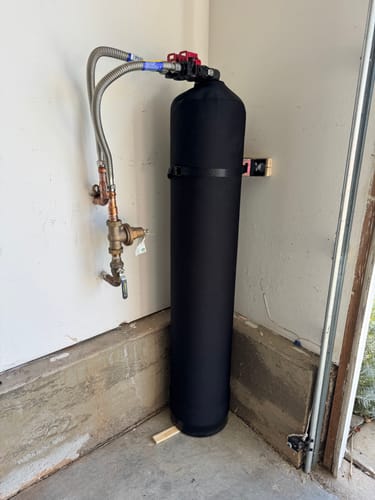
Sounds tell us more than we often give them credit for. During startup, gurgling or sucking noises are actually good signs—they confirm air's being injected properly through the venturi.
Silence, oddly enough, is the red flag here. If you're not hearing those characteristic sounds, suspect a blocked injector or malfunctioning venturi immediately. Don't wait.
Trapped air pockets create inconsistent flow rates and compromise filtration effectiveness in ways that aren't always obvious until the damage is done. Watch for hissing or continuous bubbling too—those point to air leaks requiring prompt inspection.
During backwash cycles, unexpected noises can signal early clogging or mechanical failures. When air draw fails entirely, clean or replace the injector and venturi components before running another cycle.
What Flow Rate and Water Clarity Tell You at Startup
What're flow rate and water clarity actually telling us during startup?
They're our clearest diagnostic signals, and we shouldn't ignore them.
If flow rate drops below roughly 5.3 GPM in FOB systems, we're likely looking at clogging or incorrect sizing—catch it early.
During that first flush, water should run clear. Any turbidity or discoloration points directly to media problems: improper installation or iron bypassing the filter entirely.
Here's where it gets critical—if clarity doesn't improve within the first few minutes, we're dealing with either failed media or a compromised air draw system.
Watch for rusty or brown hues specifically; those indicate iron breakthrough and an incomplete filtration setup.
Monitoring both signals together lets us diagnose problems before contamination spreads further.
Iron Breakthrough in a New Iron Filter and What to Do Next
Rusty, discolored water during that first flush is one signal we can't afford to ignore—it means iron is breaking through instead of getting captured. That rusty tinge tells us the filtration isn't performing correctly, and we need to act fast.
Our first move is running a regeneration cycle. This resets the media and restores the system's iron removal capacity—often resolving the issue quickly.
While we're troubleshooting, we should also watch pressure. Sudden drops suggest clogging or sluggish media response, both worth addressing immediately.
If breakthrough continues after regeneration, we inspect the injector assembly. Persistent problems often trace back to a malfunctioning air injection system, not the media itself.
Consistent backwashing every four to six weeks during early operation keeps saturation from compounding these startup headaches.
When Your Iron Filter's First Flush Points to a Bigger Problem
Sometimes that first flush isn't just a hiccup—it's the system telling us something deeper is wrong. When we spot rusty, discolored water, we're likely dealing with iron breakthrough from exhausted or under-regenerated media.
That first flush isn't a hiccup—it's the system exposing iron breakthrough from exhausted, under-regenerated media.
If pressure suddenly drops, suspect clogging or faulty installation. Missing that gurgling sound during air draw? The injection system needs immediate inspection.
Watch the backwash frequency closely. Excessive cycling signals overwhelmed media or unusually high iron concentrations entering the system.
And if iron staining persists on fixtures after flushing, we're looking at media failure or operational deficiencies—not a minor quirk.
Each warning sign compounds the picture. Rather than addressing symptoms individually, we need a thorough evaluation.
The first flush reveals the filter's true condition—and ignoring these signals guarantees bigger failures ahead.
Frequently Asked Questions
What Are Common Problems With Iron Filters?
We'll commonly see clogged media beds, air injection failures, iron bacteria contamination, inadequate regeneration cycles, and dirty injector assemblies — all causing reduced flow, poor water quality, and untreated iron breakthrough in your system.
What Is the Correct Order for Water Treatment?
We recommend placing your backwashable sediment filter after the pressure tank, then your iron and sulfur filters, and finally your water softener—ensuring contaminants are removed sequentially for peak system efficiency.
What Are Potential Problems Resulting From Not Soaking the Media in Poe Filters Before Start Up?
If we don't soak the media before startup, we're risking air pockets, uneven filtration, iron breakthrough, premature wear, clogged channels, discolored water, and damaged plumbing — all of which compromise our filter's long-term performance and effectiveness.
How to Check Iron Filter System for Clogging?
We'll want to monitor for sudden pressure drops, inspect flow rates for decreases, listen for gurgling during air draw phases, visually check media for iron buildup, and backwash every 4-6 weeks to prevent clogging.






