


![SoftPro™ Chlorine+ Carbon Whole House Water Filter to Remove PFAS, Chlorine, Chloramine & Pesticides [City Water Filters Series]](http://www.softprowatersystems.com/cdn/shop/files/SoftPro_Whole_House_Carbon_Filter_with_Spin_Down_Water_Filter.webp?v=1783547361&width=140)


 855-683-8488


Iron Filter Initial Setup: How to Correctly Flush Out All Installation Debris Before Use

To flush your iron filter correctly, start by shutting off the main water supply and opening a nearby cold-water faucet to release trapped pressure. Slowly reopen the main valve, then run the faucet closest to your filter for 5–15 minutes, depending on your filter type. This clears installation debris, trapped air, and carbon fines before they reach your taps. There's more to getting this process exactly right than most people realize.
Key Takeaways
- Shut off the main water supply, then open a nearby cold-water faucet to safely release any residual system pressure before flushing.
- Confirm the cartridge and O-ring are properly installed to prevent leaks before reintroducing water to the filtration system.
- Gradually reopen the main valve to avoid pressure surges, then run the faucet closest to the iron filter continuously.
- Flush sediment filters for at least 5 minutes and carbon-based filters for a full 15 minutes to clear installation debris.
- Confirm success when water runs clear, pressure stabilizes, and no unusual tastes or odors remain from all taps.
Why Flushing Your Iron Filter Actually Matters

When you first set up an iron filter, flushing it isn't just a formality—it's what separates a system that works from one that causes headaches. Trapped air, installation debris, and carbon fines don't disappear on their own. They linger, and if you skip this step, you'll notice it fast—discolored water, clogged faucets, inconsistent pressure, or frustrated appliances running harder than they should.
Flushing clears all of that out before it becomes your problem. It stabilizes pressure, protects your water heater and washing machine from fine particle buildup, and sets your filtration up to actually perform.
Think of it as commissioning your system properly. What you do in these first few minutes directly determines the reliability and water quality you'll experience long-term.
What You Need to Flush an Iron Filter
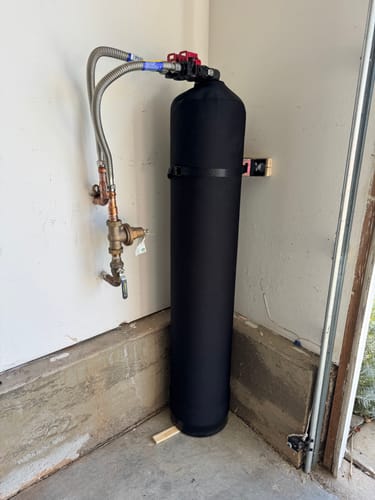
Before we touch anything, there are a few things to have in place—and getting them right upfront keeps the whole process smooth.
Here's what we'll need ready before flushing begins:
Before the flush begins, a few key things must already be in place—and getting them right makes all the difference.
- Main water shutoff access – We'll turn this off first to safely relieve system pressure.
- A nearby cold-water faucet – Opening this releases residual pressure before we handle the filter.
- A confirmed cartridge and O-ring installation – Both must be secured correctly to prevent leaks during flushing.
- A faucet closest to the filtration system – This is where we'll run water for 5–15 minutes until it clears completely.
Getting these four elements in order isn't just prep work—it's what separates a clean, successful flush from unnecessary headaches.
How to Flush Your Iron Filter the Right Way
Flushing the iron filter correctly means the difference between a system that performs well from day one and one that causes problems right out of the gate.
Start by shutting off the main water supply and opening a nearby cold-water faucet to release trapped pressure. Then, gradually reopen the main valve to prevent pressure surges, and let the cold-water faucet closest to the filtration system run continuously.
Work through each fixture one at a time, flushing for 5–15 minutes until the water runs clear. Never use hot water during this process—it'll damage the filter media and contaminate your hot water system.
Once you're done, inspect every connection for leaks. Skipping that final check is how small issues become big problems fast.
How Long Should You Run the Flush Cycle?
How long you run the flush cycle depends on the type of filter you're working with. Here's a reliable range to follow:
- Sediment filters – A shorter flush of 5 minutes typically does the job.
- Carbon-based filters – Run these for the full 15 minutes to clear carbon fines thoroughly.
- Multiple fixtures – Flush them simultaneously until water runs completely clear.
- Every filter replacement – Repeat this process each time, without exception.
Rushing this step is where most people go wrong. Flushing too quickly—or with hot water—risks damaging the system or leaving debris behind.
We recommend restoring pressure gradually and staying patient throughout. Those extra minutes directly protect your water quality and extend your system's performance.
Signs Your Iron Filter Flush Was Successful
Once you've completed the flush cycle, you'll want to confirm it actually worked. Here's what to look for:
Clear water from every tap. No cloudiness, no discoloration — just clean, consistent flow across all fixtures.
Stabilized water pressure. If pressure felt erratic during flushing, a noticeable evening-out signals that trapped air has fully escaped the system.
No unusual tastes or odors. Installation contaminants and carbon fines leave a signature — once they're gone, your water should taste neutral and smell clean.
Steady flow sustained over time. We recommend confirming that clear water runs consistently for the final few minutes of your 5–15 minute flush window.
Hit all four markers, and your iron filter is properly cleared and ready for reliable performance.
Frequently Asked Questions
How to Backflush an Iron Filter?
To backflush your iron filter, we'll switch it to backwash mode via the control valve, reverse water flow to dislodge debris, monitor for 5–15 minutes, then restore service mode for clean, filtered water.
How Long to Backwash an Iron Filter?
We recommend backwashing your iron filter for 10 to 15 minutes per cycle. This duration guarantees thorough debris removal and peak media cleaning, protecting your system's components while maximizing filtration efficiency and prolonging your filter's lifespan.
How Often Should You Flush a Sediment Filter?
We recommend flushing your sediment filter every 1-3 months for routine maintenance, after each replacement, following power outages, and whenever you notice pressure drops or reduced flow rates to maintain peak performance.
Does an Iron Filter Remove Sediment?
Iron filters aren't designed to remove sediment — they target iron compounds. We recommend installing a dedicated sediment filter before your iron filter to protect it and keep your system performing at its best.






