


![SoftPro™ Chlorine+ Carbon Whole House Water Filter to Remove PFAS, Chlorine, Chloramine & Pesticides [City Water Filters Series]](http://www.softprowatersystems.com/cdn/shop/files/SoftPro_Whole_House_Carbon_Filter_with_Spin_Down_Water_Filter.webp?v=1783547361&width=140)


 855-683-8488


Iron Filter Leaking Around the Control Valve: How to Accurately Diagnose and Permanently Fix It

When your iron filter leaks around the control valve, the culprit is usually worn O-rings, corroded components, mineral buildup, or loose fittings. We can diagnose it by inspecting seals, checking connections for pooling water, and listening for hissing during regeneration. Most fixes involve tightening fittings, replacing O-rings with silicone-greased replacements, or swapping cracked valve parts. Getting the diagnosis right the first time saves you from unnecessary replacements—and everything you need to know is just ahead.
Key Takeaways
- Inspect seals, O-rings, and fittings for wear, corrosion, or looseness to accurately identify the leak source before replacing parts.
- Tighten loose fittings first, as they are frequently the primary cause of control valve leaks.
- Replace worn O-rings and seals every 3–5 years, applying silicone grease to ensure a water-tight seal.
- Monitor the valve during regeneration cycles for hissing or bubbling sounds indicating pressure or seal failures.
- Conduct monthly leak checks and routine cleaning to prevent sediment buildup and catch minor issues early.
Why Your Iron Filter Control Valve Is Leaking

Most leaks trace back to a handful of culprits. Worn seals and O-rings lose their ability to hold a proper seal over time.
Corrosion—especially common in high-iron environments—quietly degrades valve components from the inside.
Mineral buildup creates excessive pressure that forces water through vulnerable points.
Loose fittings or improper installation let water escape before it ever gets filtered.
Each cause tells a different story, and identifying the right one matters. Misdiagnose it, and you'll replace parts unnecessarily.
Nail it, and you'll fix the leak permanently.
Find the Exact Source of the Leak
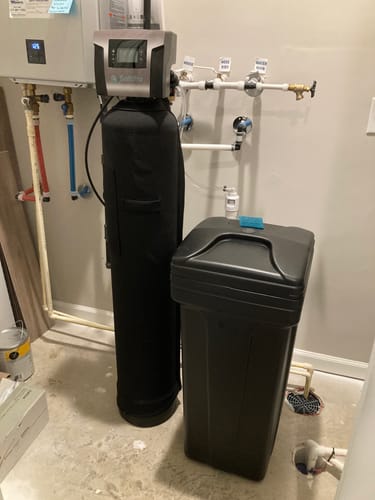
Before replacing any parts, let's pinpoint exactly where the water is escaping. Grab a flashlight and work systematically through these four diagnostic steps:
- Inspect seals and O-rings around the control valve for visible wear, cracking, or displacement.
- Examine all connections and joints for pooling water or corrosion, which betrays the leak's precise location.
- Check valve tightness — loose fittings are often the culprit before anything else needs addressing.
- Monitor during regeneration — manually initiate a cycle and listen for hissing or bubbling while watching for escaping water.
This methodical approach tells us whether we're dealing with a simple retightening, a seal replacement, or a full valve swap — saving us time and unnecessary expense.
Replace the O-Rings, Seals, and Cracked Valve Parts
Once we've tracked down the leak, it's time to swap out the worn O-rings, seals, or cracked valve parts responsible. Using high-quality replacements compatible with your specific iron filter model is non-negotiable—water minerals and chemicals degrade inferior parts fast.
Before assembling, lubricate new O-rings with silicone grease to guarantee a water-tight seal and extend their lifespan.
| Component | Replacement Frequency | Key Tip |
|---|---|---|
| O-rings | Every 3–5 years | Use silicone grease during install |
| Seals | Every 3–5 years | Match to your filter model |
| Valve parts | As needed | Inspect for cracks during routine checks |
Cracked valve components demand immediate attention—ignoring them risks system-wide failure and significant water leakage. Prompt replacement protects both efficiency and water quality.
Fix the Control Valve Leak Without Calling a Plumber
Tackling a control valve leak ourselves saves money and builds confidence in maintaining our iron filter long-term.
Here's our streamlined repair process:
- Inspect fittings and seals — Tighten loose fittings and replace damaged O-rings immediately; these fixes are simpler than most expect.
- Clear sediment buildup — Clean around the control valve regularly to eliminate pressure imbalances that silently worsen leaks over time.
- Examine components visually — Look for cracks or wear patterns on valve parts; catching these early prevents costly failures later.
- Lubricate during reassembly — Apply silicone grease to O-rings before reinstalling them to create a superior, lasting seal.
After repairs, run water through the filter and monitor closely.
Persistent leaks signal hidden internal issues requiring deeper investigation.
Prevent Iron Filter Leaks Before They Happen Again
Keeping our iron filter leak-free long-term isn't complicated — it just requires consistent habits.
Start by inspecting the control valve and surrounding connections regularly, catching wear before it becomes a problem. Replace O-rings and seals the moment they show deterioration — these small components carry enormous responsibility.
Clean the injector assembly and valve housing routinely to prevent sediment buildup, which quietly creates pressure imbalances that stress seals over time.
Using high-quality salt in the brine tank reduces sediment accumulation that can silently compromise valve integrity.
Finally, build monthly leak checks into our maintenance schedule. Minor leaks caught early cost almost nothing to fix — ignored, they escalate fast.
Consistent, proactive maintenance isn't just about avoiding repairs; it's about mastering the system we've already invested in.
Frequently Asked Questions
How to Stop a Water Filter From Leaking?
We'll stop leaks by inspecting O-rings, tightening loose fittings, and cleaning sediment buildup. If issues persist, we'll replace worn seals or consult a professional to guarantee a permanent, reliable fix for your system.
Why Does My Iron Filter Keep Draining?
Your iron filter keeps draining because of a malfunctioning control valve, excessive sediment buildup, or faulty seals. These issues create pressure imbalances and continuous water flow—diagnosing them early prevents costly damage and restores ideal system performance.
What Is the Life Expectancy of a Whole House Water Filter?
We're looking at 5 to 15 years for most whole house water filters, but that range depends heavily on your filter type, water quality, and how consistently you're maintaining and replacing cartridges.
How to Check Iron Filter System for Clogging?
We'll check for clogging by monitoring water flow rate decreases, inspecting pressure gauge drops, removing cartridges for sediment buildup, and flushing the system regularly to maintain peak performance and catch blockages before they worsen.






