


![SoftPro™ Chlorine+ Carbon Whole House Water Filter to Remove PFAS, Chlorine, Chloramine & Pesticides [City Water Filters Series]](http://www.softprowatersystems.com/cdn/shop/files/SoftPro_Whole_House_Carbon_Filter_with_Spin_Down_Water_Filter.webp?v=1783547361&width=140)


 855-683-8488


Iron Filter Causing Low Household Water Pressure After Installation: Is the System Undersized?

If your water pressure dropped right after installing an iron filter, the system is likely undersized or restricting flow more than it should. Iron filters naturally cause a 20-30% pressure drop due to dense media, air injectors, and oxidation processes — but a dramatic loss signals something more serious. Poor sizing creates bottlenecks across every fixture simultaneously. We'll show you exactly how to diagnose the problem and what to do about it.
Key Takeaways
- Iron filters typically cause a 20-30% pressure drop, so some reduction after installation is expected and not always a sizing issue.
- Undersized filters cause drastic flow reductions during peak usage, creating simultaneous bottlenecks across multiple fixtures throughout the home.
- Low incoming pressure below 40 psi significantly worsens pressure problems caused by incorrectly sized iron filtration systems.
- Conduct a bypass test and measure pressure before and after the filter to confirm whether the unit is causing restriction.
- Properly sized systems targeting 50-60 psi operational pressure, based on a comprehensive water test, minimize pressure loss effectively.
Is Your Iron Filter Actually Causing the Pressure Drop?

When your household water pressure suddenly drops after installing an iron filter, the filter itself is often the culprit — but it's not always straightforward.
Iron filters typically create a 20-30% pressure drop during operation, which can slash flow rates from over 60 LPM down to just 20 LPM. That's a dramatic reduction you'll feel immediately at every tap.
Before assuming the worst, let's diagnose properly.
Before grabbing your tools or calling a plumber, take a breath — systematic diagnosis saves time and money.
Install pressure gauges both before and after the filter to measure standing and flowing pressure. If you're seeing significant drops under demand, the filtration resistance is likely your problem.
An undersized system compounds this issue further, struggling to handle your home's iron levels without choking water flow — something proper pre-installation testing would've flagged immediately.
Why Iron Filters Create a Bigger Pressure Drop Than Other Systems
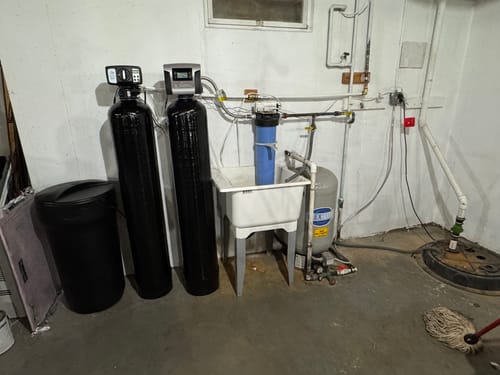
Iron filters create a considerably larger pressure drop than carbon or sediment filters because they're doing far more complex work.
While carbon filters simply absorb contaminants and sediment filters catch particles, iron filters chemically transform dissolved iron before trapping it. That complexity comes with a measurable cost to your flow rate.
Here's what's driving the resistance inside your system:
- Dense filtration media forces water through tightly packed beds, unlike the lighter carbon or sediment materials
- Venturi air injectors introduce additional resistance that other filter types simply don't have
- Chemical oxidation processes slow water movement through the media bed
- Iron accumulation between backwashes progressively restricts flow, dropping rates from 60+ LPM to as low as 20 LPM
Carbon and sediment filters? They'll only cost you a 5–15% pressure drop.
How to Test Whether Your Iron Filter Is Restricting Flow
Before blaming your pipes or pump, it's worth confirming the iron filter itself is the culprit.
Start by measuring standing pressure versus flowing pressure with a gauge—a drop from 4.0 bar to around 3.2 bar signals a restriction worth investigating.
Next, compare flow rates before and after the filter. If you've gone from over 60 LPM down to below 20 LPM, the filter is either undersized or clogged.
Run a bypass test by checking pressure at fixtures with and without the filter in line—consistent low pressure with the filter engaged confirms the problem.
Finally, inspect the cartridge. If it looks worn or heavily fouled, replace it.
Also verify you're backwashing on schedule—neglecting this lets debris accumulate and compounds your pressure drop considerably.
Why an Undersized Iron Filter Kills Your Water Pressure
One of the most overlooked causes of chronic low pressure is simply having the wrong-sized iron filter for your home's demand. When filtration capacity can't match your peak flow needs, resistance builds fast—and your pressure pays the price.
Here's what actually happens inside an undersized system:
- Flow rates collapse from 60+ LPM down to a frustrating 20 LPM during peak usage
- Multi-stage filtration resistance compounds pressure loss, especially with high iron concentrations
- Bottlenecks form across fixtures simultaneously, not just at one tap
- Low incoming pressure below 40 psi amplifies every sizing mistake you've already made
We're talking about a 20-30% pressure drop versus the 5-15% you'd see with a properly matched system. Sizing matters more than most homeowners realize.
How to Right-Size Your Iron Filter and Restore Normal Pressure
Fixing low pressure starts with getting the sizing right—and that means treating your iron filter like the workhorse it actually is.
Start with a proper water test—know your iron levels, flow demands, and peak usage periods before selecting any system.
We recommend targeting systems designed for 50-60 psi operation, which maintains adequate pressure and minimizes drops during heavy use.
Install pressure gauges on both sides of the filter—they'll immediately reveal resistance issues, whether from undersizing or clogging.
Monitor your flow rates closely. If you're dropping from 60+ LPM down to 20 LPM, the filter's choking your system.
An appropriately sized filter eliminates that 20-30% pressure penalty, restoring consistent, reliable flow throughout your home.
Get the sizing right first—everything else follows.
Frequently Asked Questions
Why Is My Water Pressure Low After Installing a Water Filter?
Your water pressure's low because your iron filter's likely undersized, creating excess resistance. We recommend checking inlet pressure (aim for 50-60 psi) and ensuring your filter's flow rate matches your household's demand.
What Are Common Problems With Iron Filters?
We've found that iron filters commonly suffer from clogging, pressure drops of 20-30%, incorrect sizing, and Venturi-related flow issues. Without regular backwashing and cartridge replacement, you'll experience increasingly restricted water flow and poor overall performance.
What Is the Most Common Cause of Low Water Pressure in a Residential Home?
The most common cause of low water pressure is a shutoff valve that isn't fully open. We'll want to check it first, as it restricts flow throughout your entire plumbing system instantly.
Can High Iron in Water Cause Lower Water Pressure?
Yes, high iron can absolutely lower your water pressure! Iron deposits build up inside pipes and fixtures, restricting flow. We're also seeing iron filters themselves induce a 20-30% pressure drop, compounding the problem considerably.






