


![SoftPro™ Chlorine+ Carbon Whole House Water Filter to Remove PFAS, Chlorine, Chloramine & Pesticides [City Water Filters Series]](http://www.softprowatersystems.com/cdn/shop/files/SoftPro_Whole_House_Carbon_Filter_with_Spin_Down_Water_Filter.webp?v=1783547361&width=140)


 855-683-8488


Iron Filter Neglect: The Alarming Truth About What Skipping Backwash Does to Your System

Skipping backwash on your iron filter is a silent system killer. Without regular backwashing, contaminants accumulate, energy consumption climbs by 30%, and iron levels spike — leaving you with metallic-tasting water, rust stains, and sputtering faucets. Water pressure can drop 30–40 PSI, and your filter media wears out far sooner than it should. The repair and replacement costs add up fast. Stick around, because what we've uncovered about neglected backwash schedules will change how you think about maintenance.
Key Takeaways
- Skipping backwash causes contaminants to accumulate, reducing system efficiency and increasing energy consumption by up to 30%.
- Iron buildup restricts water flow, dropping pressure by 30–40 PSI and causing sputtering, inconsistent faucet performance.
- Neglected filters allow iron levels to exceed 0.3 mg/L, producing metallic taste and rust-colored stains on fixtures.
- Without regular backwashing, filter media deteriorates prematurely, leading to expensive repairs or full system replacement.
- High-iron environments require backwashing every 3 days; average households need it every 3–6 weeks minimum.
What Skipping Backwash Actually Does to Your Iron Filter?

When we skip backwash cycles, our iron filter doesn't just get a little dirty — it starts working against us. Contaminants build up unregulated, forcing the system to work harder and driving energy consumption up by 30%. That's inefficiency we're paying for directly.
It gets worse. Without regular backwashing, iron levels exceed safe limits, producing that unmistakable metallic taste and rust-colored staining. Mineral buildup follows, creating sputtering faucets and inconsistent water flow as untreated water bypasses filtration entirely.
Here's what it ultimately costs us: filters that should last 3-6 years fail prematurely, triggering expensive repairs or early media replacement. Skipping backwash isn't a minor oversight — it's a chain reaction that quietly dismantles our entire filtration system from the inside out.
How Does Iron Buildup Kill Your Water Pressure and Flow Rate?
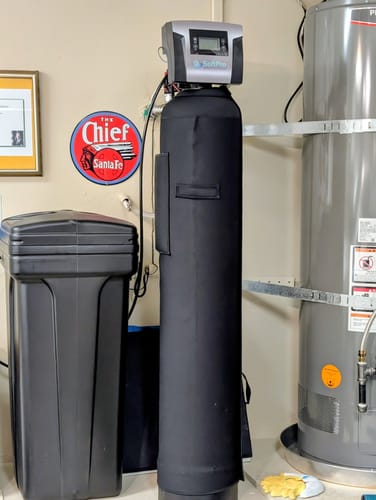
That chain reaction doesn't stop at contamination — it hits us where we feel it most immediately: our water pressure. When iron builds up inside the filter media, it restricts flow and triggers channeling, letting untreated water slip right through. The result? Sputtering faucets, inconsistent flow, and a system that's visibly struggling.
Here's what the numbers tell us: skipping backwash can drop water pressure by 30–40 PSI. That's not a minor inconvenience — that's a system in distress.
It gets worse. Once the media becomes fully saturated, our regeneration cycles have to work longer and harder just to recover baseline pressure. We're not just losing performance; we're accelerating wear on the entire system.
Regular backwashing isn't optional — it's what keeps pressure where it belongs.
What Are the Warning Signs Your Iron Filter Is Failing From Neglect?
So how do we recognize when our iron filter has crossed the line from "needs attention" to "actively failing"? The warning signs are hard to miss once we realize what to look for.
Start with your senses. A metallic taste signals iron levels likely exceeding 0.3 mg/L. Rust-colored stains on sinks confirm the filter's stopped catching what it should. Sputtering faucets? That's mineral buildup choking your system's regeneration cycle.
Then check your wallet. An unexplained spike in your water bill—sometimes reflecting a 30% jump in energy consumption—means your system's working overtime to compensate for neglect.
Finally, test your water. Persistent high iron readings during testing deliver the definitive verdict: insufficient backwashing has genuinely compromised your filter's effectiveness.
How Much Does a Neglected Backwash Schedule Actually Cost You?
Recognizing the warning signs is one thing—but let's put real numbers behind what ignoring them actually costs us. Skipping backwash cycles drives energy consumption up by 30%, meaning we're paying more every month just to run an underperforming system.
Without regular backwashing every 3-6 weeks—using only 5-15 gallons per cycle—mineral buildup strains our plumbing, triggering costly repairs and inflated water bills. Worse, iron filter media that typically lasts 4-6 years degrades faster when fouled, forcing premature replacement.
We're also looking at rust stains, sputtering faucets, and remediation expenses that dwarf what simple maintenance would've cost. The math is brutal: neglect creates compounding costs across energy, repairs, media replacement, and water usage simultaneously.
Prevention is always cheaper than remediation.
How Often Should You Backwash Your Iron Filter to Prevent Damage?
How often we backwash our iron filter isn't a one-size-fits-all answer—it depends heavily on our water's iron concentration. For most households, every 3-6 weeks strikes the right balance between performance and water conservation.
But here's where it gets critical: high-iron environments demand backwashing every 3 days. That's not excessive—that's protecting our investment.
Miss that window, and iron accumulates faster than we'd expect, clogging the media and forcing our system to work harder. We're talking a 30% spike in energy consumption just from delayed maintenance.
The filter that was protecting us starts failing us—delivering rust-stained, metallic-tasting water instead.
Understanding our specific iron levels isn't optional; it's the foundation of an effective backwash schedule that keeps our system performing at its peak.
Frequently Asked Questions
How Long Should an Iron Filter Backwash?
We recommend running your iron filter's backwash cycle for 10 to 30 minutes. The exact duration depends on your system's design and water conditions, so always consult your manufacturer's guidelines for peak performance.
What Are Common Problems With Iron Filters?
Common iron filter problems we'll want to watch for include metallic-tasting water, rust stains on fixtures, sputtering faucets, clogged media, increased energy consumption, and frequent maintenance issues—all typically stemming from neglected backwashing cycles.
What Problem Is Created by Insufficient Backwash Rates?
Insufficient backwash rates cause oxidized iron to build up, creating stubborn clogs that slash your filtration efficiency. We're also seeing significant water pressure drops, making it nearly impossible for your system to operate effectively.
Should You Rinse Every Time You Backwash?
Yes, we always recommend rinsing after every backwash. It removes residual debris, re-settles the media into proper stratification, and guarantees your filter's ready to deliver peak performance—skipping it compromises water quality and accelerates wear.






