


![SoftPro™ Chlorine+ Carbon Whole House Water Filter to Remove PFAS, Chlorine, Chloramine & Pesticides [City Water Filters Series]](http://www.softprowatersystems.com/cdn/shop/files/SoftPro_Whole_House_Carbon_Filter_with_Spin_Down_Water_Filter.webp?v=1783547361&width=140)


 855-683-8488


Iron Filter O-Ring Replacement for Leaking Control Valves: The Step-by-Step Repair Guide

When your iron filter's control valve starts leaking, a worn or damaged O-ring is usually the culprit. Iron buildup, chemical exposure, and temperature swings all break down that tiny rubber seal over time. The good news? Replacing it yourself is straightforward with the right tools, a properly sized O-ring, and silicone lubricant. We'll walk you through every step — from diagnosing the leak to testing the valve — so you can stop that drip for good.
Key Takeaways
- Disconnect power, brine tubing, and water lines before removing the control valve to ensure a safe and clean workspace.
- Inspect the old O-ring for compression marks or cracking, then carefully seat the new one in its groove.
- Always coat the replacement O-ring with silicone lubricant to reduce friction and prevent improper seating during reinstallation.
- Confirm the replacement O-ring's size and material compatibility with your specific control valve model before installation.
- After reassembly, slowly restore water supply and trigger a manual regeneration cycle to verify the repair was successful.
Why Your Iron Filter Control Valve O-Ring Is Leaking

The most common culprits we see are wear and tear from prolonged use, iron and sediment buildup accelerating material breakdown, and improper installation during initial assembly.
A poorly seated O-ring will leak from day one.
Don't overlook environmental factors either. Extreme temperature swings and exposure to harsh chemicals strip the O-ring of its elasticity, making leaks inevitable over time.
Harsh chemicals and extreme temperatures rob O-rings of elasticity, turning environmental exposure into an unavoidable leak waiting to happen.
Here's the good news: identifying the root cause means you can fix it correctly the first time. Regular inspection catches deterioration early, and a timely replacement greatly extends your control valve's lifespan and keeps your system performing at its best.
Tools and Parts You Need for an Iron Filter O-Ring Replacement
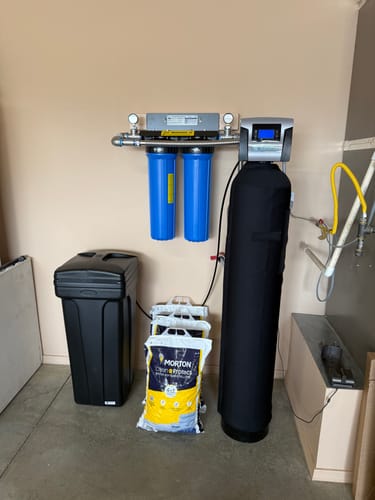
Once you've pinpointed why your O-ring is failing, getting the right tools and parts together makes the actual fix straightforward. Before touching the valve, shut off the water supply and relieve system pressure completely.
Here's everything you'll need:
| Category | Item | Purpose |
|---|---|---|
| Parts | Correct-size replacement O-ring | Primary seal |
| Lubricant | Silicone lubricant | Protects O-ring during install |
| Sealing | Teflon tape or liquid sealant | Prevents threaded connection leaks |
| Tools | Screwdrivers, wrenches, pliers | Disassembly and reassembly |
Always verify your O-ring dimensions against your control valve's specifications—guessing wastes time and risks repeat leaks. Silicone lubricant specifically matters here; petroleum-based alternatives degrade rubber O-rings rapidly. With these components staged and ready, you'll move through the replacement efficiently and confidently.
How to Replace Your Iron Filter Control Valve O-Ring Step by Step
With the right parts staged and pressure fully relieved, we're ready to work through the replacement.
First, disconnect the power, brine tubing, and water lines, then carefully lift the control valve off the tank.
Inspect the old O-ring closely—compression marks or cracking confirm why it failed.
Remove it completely, then seat the new O-ring precisely into its groove.
Don't rush this step; improper seating causes immediate leaks.
Before reassembly, coat the new O-ring with silicone lubricant.
This reduces friction during installation and dramatically extends seal life.
Reinstall the control valve, reconnect every component, and slowly restore the water supply.
Watch the valve closely during that first pressurization cycle—catching a small drip now saves a much bigger repair later.
Why Your New Iron Filter O-Ring Is Still Leaking
Even after a fresh O-ring installation, leaks can persist—and that's frustrating, but it's usually fixable once you identify the root cause.
Let's walk through the most common culprits:
- Dry O-ring: Always lubricate with silicone lubricant—dry O-rings slip out of their groove easily.
- Poor seating: Confirm the O-ring sits evenly, without any twisting or pinching during reassembly.
- Contaminated groove: Clear debris or sediment from the groove; even tiny particles break the seal.
- Wrong O-ring: Verify size and material compatibility with your specific control valve model.
If you've addressed all four issues and leaking continues, inspect the valve seat and housing for cracks or damage.
At that point, replacement of the housing itself may be necessary.
How to Test Your Iron Filter Valve After the Repair
Now that we've tackled the leak, let's make sure the repair actually holds up under real operating conditions. Slowly reintroduce your water supply and watch the valve closely for any drips around the repaired area.
Listen for irregular sounds or unusually high flow rates—both signal installation problems worth addressing immediately.
Next, trigger a manual regeneration cycle. This single test reveals how well the valve performs under actual working conditions rather than just static pressure.
Watch the discharge line throughout; consistent flow confirms no blockages exist inside the valve assembly.
Once regeneration completes, check your brine tank. Salt levels must sit above the water line for ideal iron removal performance.
These three sequential checks—pressure, regeneration, and brine—give you full confidence your repair is solid.
Frequently Asked Questions
How to Stop a Whole House Water Filter From Leaking?
We'll stop that leak by identifying worn O-rings at control valve connections, shutting off water supply, relieving pressure, replacing damaged O-rings with lubricated new ones, reassembling carefully, then gradually restoring water flow while monitoring for leaks.
Why Is My Iron Filter Not Working?
Your iron filter's likely failing due to a leaking control valve, damaged O-rings, incorrect regeneration settings, or exhausted resin media. We'll help you diagnose and fix each issue to restore peak iron-removal performance.
What Is an O Ring on a Water Filter?
An O-ring's a small rubber seal that fits between two mating surfaces in your water filter, preventing leaks by creating a watertight barrier. It's a simple component that's essential to keeping your system running efficiently.
How Does an Air Injection Iron Filter Work?
Air injection iron filters work by pushing air into your water stream, oxidizing dissolved iron into solid particles that your filter media traps and removes, leaving you with cleaner, iron-free water throughout your home.






