


![SoftPro™ Chlorine+ Carbon Whole House Water Filter to Remove PFAS, Chlorine, Chloramine & Pesticides [City Water Filters Series]](http://www.softprowatersystems.com/cdn/shop/files/SoftPro_Whole_House_Carbon_Filter_with_Spin_Down_Water_Filter.webp?v=1783547361&width=140)


 855-683-8488


Iron Filter Sulfur Smell Removal Capacity Exceeded: Clear Warning Signs and Proven Next Steps

When your iron filter can't keep up with sulfur removal, that rotten egg smell breaking through your faucets is your first clear warning sign. Hydrogen sulfide levels above 10 ppm, gurgling noises from the injector, and persistent odors despite regular maintenance all signal your system's hitting its limit. We'll show you exactly how to diagnose the root cause, fix the injector, and prevent breakthrough from happening again—keep going to find out how.
Key Takeaways
- A persistent rotten egg smell signals hydrogen sulfide levels exceeding your iron filter's capacity, especially above 10 ppm.
- Gurgling or sucking noises during operation indicate air injector issues reducing oxidation effectiveness significantly.
- Test hydrogen sulfide and pH levels immediately; readings below 6.5 pH require an acid neutralizer addition.
- Increased backwashing frequency paired with unresolved odors strongly suggests exhausted filter media needing replacement.
- Inspect and properly clean clogged injectors using channel locks to restore adequate airflow and filtration performance.
Why Your Iron Filter Stops Keeping Up With Sulfur

When hydrogen sulfide levels climb above 10 ppm, even a well-maintained iron filter can't keep pace with the demand. The system simply wasn't designed to handle that concentration, and it'll show.
Acidic water compounds the problem fast. When pH drops below 6.5, the filter media begins to foul, losing its oxidizing power just when you need it most. You're fundamentally fighting two battles simultaneously.
Watch your filter's air draw process closely. Unusual noises or irregular backwashing cycles signal that oxidation is breaking down, letting sulfur slip through untreated.
These failures don't happen in isolation—they stack. That's why understanding the root cause matters before throwing solutions at symptoms. Knowing what's overwhelmed your system is the first step toward fixing it permanently.
Warning Signs the Sulfur Smell Is Breaking Through
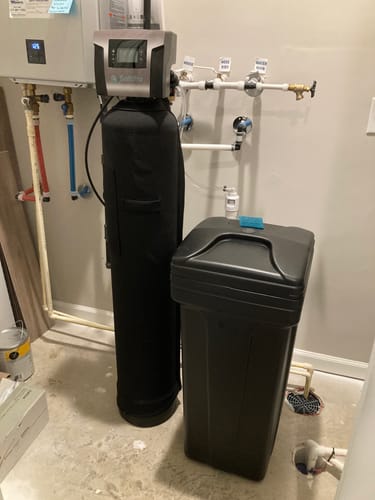
If your water smells like rotten eggs even after routine maintenance, the filter's telling you it's losing the battle. That persistent sulfur odor means hydrogen sulfide is likely exceeding 10 ppm—more than your system can handle.
Watch for these clear signals:
Testing reveals concentrations above 0.5 ppm, demanding immediate action. Your backwashing frequency increases, yet odors stubbornly remain—classic signs of media exhaustion or filter failure.
When test results exceed 0.5 ppm and backwashing no longer works, your filter media is exhausted and failing.
Listen for gurgling or sucking noises near the air injector; that sound means your air draw component is compromised, gutting your system's sulfur-fighting ability.
When flushing and routine maintenance no longer eliminate the smell, the air draw component itself is likely clogged or malfunctioning.
These aren't minor nuisances—they're your system communicating a critical capacity problem you can't afford to ignore.
Step-by-Step Fix When the Sulfur Smell Returns
That sulfur smell creeping back into your water isn't a reason to panic—it's a signal to work through a clear, logical sequence of fixes before the problem compounds.
Start by testing your hydrogen sulfide levels immediately—anything above 10 ppm means your current filter simply can't keep up, and you'll need alternative treatment.
Next, inspect the air draw component for blockages, since a restricted intake quietly kills sulfur removal efficiency.
Then check your pH; if it's dropped below 6.5, add an acid neutralizer to restore ideal conditions.
Finally, document the smell's frequency and intensity—this data tells you whether you're managing a temporary spike or a systemic capacity problem requiring a permanent solution.
Why the Fix Fails Without Addressing the Injector
Every fix we've discussed falls apart if we ignore the injector—it's the linchpin of the entire air injection process. A clogged injector kills air draw, and without air, oxidation stops, letting iron and sulfur win every time.
| Injector Condition | System Outcome |
|---|---|
| Fully clogged | Complete air draw failure |
| Partially clogged | Reduced oxidation, lingering smell |
| Cleaned with toothpick | Temporary fix, risks hole damage |
| Properly cleaned with channel locks | Restored airflow, better filtration |
| Replaced entirely | Ideal, reliable performance |
We've seen homeowners repeat the same backwash cycle wondering why the smell returns—it's almost always the injector. Clean it carefully, but if problems persist, replace it. That small component carries enormous responsibility.
How to Prevent Sulfur Breakthrough Before It Starts?
Prevention is far easier than dealing with a full-blown sulfur breakthrough, so let's build a routine that keeps your system ahead of the problem. Start by testing your water regularly for hydrogen sulfide and pH levels—anything exceeding 10 ppm or dropping below 6.5 demands immediate action.
If pH runs low, install an acid neutralizer to protect your filter's longevity. When iron levels exceed 0.3 mg/L, increase backwashing to every one to three days. Clean your sediment pre-filters monthly to stop buildup before it compromises performance.
Finally, keep a maintenance log tracking water quality trends and filter behavior. Patterns reveal problems early, giving you time to intervene before breakthrough occurs. Consistent habits transform reactive fixes into proactive mastery.
Frequently Asked Questions
Will an Iron Filter Remove Sulfur Smell?
Yes, an iron filter can remove sulfur smell when hydrogen sulfide levels stay at or below 10 ppm. We recommend regular water testing to confirm your system's handling the job effectively.
How to Get Rid of Iron Out Smell?
We'll eliminate that iron smell by keeping iron levels below 0.3 ppm, installing an air injection system like the Fleck 2510AIO, maintaining pH above 6.5, and cleaning sediment pre-filters monthly for consistently fresh, odor-free water.
How to Check Iron Filter System for Clogging?
We'll check for clogging by monitoring water pressure drops, testing iron levels monthly, inspecting fixtures for rust stains, cleaning sediment pre-filters, and listening for gurgling noises during operation—each signals a potential blockage needing immediate attention.
How to Tell if Your Water Has Iron in It?
We can spot iron in our water by watching for orange stains on sinks and toilets, noticing a metallic taste, or using a home test kit to confirm levels exceeding 0.3 ppm.






