


![SoftPro™ Chlorine+ Carbon Whole House Water Filter to Remove PFAS, Chlorine, Chloramine & Pesticides [City Water Filters Series]](http://www.softprowatersystems.com/cdn/shop/files/SoftPro_Whole_House_Carbon_Filter_with_Spin_Down_Water_Filter.webp?v=1783547361&width=140)


 855-683-8488


Iron Filter Stopped Working: A Complete Troubleshooting Guide for Poor Iron Removal Performance

When your iron filter stops working, it's usually caused by one of a few common culprits — saturated filter media, clogged injectors, or incorrect regeneration settings. You'll notice rust stains on fixtures, a metallic taste in your water, or dropping pressure before things get worse. The good news? Most issues are fixable with the right approach. Stick with us and we'll walk you through everything you need to diagnose, clean, repair, or replace your system.
Key Takeaways
- Rust stains on fixtures and laundry indicate saturated filter media, requiring immediate cleaning or replacement for restored iron removal performance.
- Silence during regeneration cycles signals a clogged air injector, which can be cleaned by soaking components in a vinegar solution.
- Incorrect regeneration programming allows untreated iron to bypass the system, causing metallic taste and discoloration in your water supply.
- Salt bridges forming in the brine tank disrupt regeneration, preventing the filter from effectively removing iron during treatment cycles.
- Filter media exhausted after 3–5 years causes persistent poor water quality, making full system replacement a smarter long-term investment.
Why Did Your Iron Filter Stop Working?

When an iron filter suddenly stops doing its job, the cause usually comes down to a handful of common culprits. Understanding these issues helps you diagnose problems faster and restore your system's effectiveness.
When an iron filter fails, a few common culprits are almost always to blame.
Here's what we typically see:
- Saturated filter media – Rust stains on fixtures and laundry are your first warning sign.
- Clogged injector assemblies – These block brine draw during regeneration, crippling iron removal.
- Incorrect regeneration programming – Poor timing lets iron slip right through untreated.
- Salt bridges in the brine tank – They silently sabotage regeneration without obvious warning.
- Low water pressure during peak demand – This signals clogged media struggling under load.
Each culprit has a distinct fix, and we'll walk you through every one.
Warning Signs Your Iron Filter Has Failed
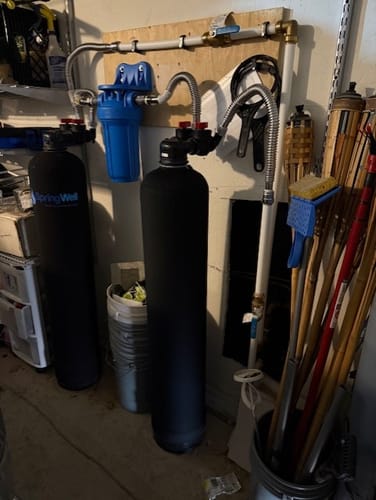
Knowing what to look for is half the battle. Rusty stains on your fixtures and laundry are unmistakable red flags—your filter media is either saturated or failing outright.
Notice a metallic taste in your drinking water? That's iron bypassing your system through compromised components. Don't ignore it.
Declining water pressure, particularly during high-demand periods, signals clogged media that's choking your flow.
Meanwhile, listen during regeneration cycles—absent gurgling sounds mean your air injector isn't oxidizing iron properly, which cascades into broader filtration failure.
Here's what experienced users understand: visual cues like discoloration and odd odors almost always appear before catastrophic failure hits.
Monitor these warning signs consistently, and you'll catch problems early enough to intervene before they escalate into costly repairs.
How to Clean and Backwash Your Iron Filter Media
Once you've spotted the warning signs, cleaning and backwashing your iron filter media is your first line of defense against full system failure.
Start by pressing the regeneration button to release pressure and switch to bypass mode before disassembling the air injector.
Apply a bleach solution directly to the filter media, giving it adequate contact time to eliminate biofilm and contaminants lurking deep within.
Reassemble the injector, then trigger a full regeneration cycle to flush loosened debris out completely.
Run a minimum 15-minute backwash cycle to restore peak flow and water clarity.
Don't underestimate monthly regeneration and periodic injector cleaning—skipping these steps is exactly how clogs develop and efficiency tanks.
Consistent maintenance keeps your system performing at the level you're expecting.
How to Fix a Clogged Iron Filter Injector and Restore Airflow
Even after a thorough backwash, your system still mightn't perform the way it should—and a clogged injector is often the hidden culprit.
Here's a reliable diagnostic tip: during regeneration, listen for gurgling sounds. Silence means restricted airflow, and that's your signal to act.
Start by disassembling the air injector assembly and soaking its components in a vinegar solution to dissolve mineral deposits and biofilm. These buildups quietly strangle your system's oxidation efficiency, making iron removal increasingly ineffective.
Mineral deposits and biofilm silently choke your system's oxidation efficiency—vinegar soaks dissolve the buildup before iron removal fails.
We recommend cleaning the injector every 2–3 years to stay ahead of this problem.
Once cleaned, reassemble everything carefully and run a full regeneration cycle. This flushes out remaining debris and confirms that ideal airflow—and your filter's iron-fighting power—has been fully restored.
Should You Repair or Replace Your Iron Filter?
How do you know when it's time to stop patching things up and just replace your iron filter? Watch for these clear signals: persistent rust stains and odors despite regular maintenance, frequent regeneration cycles that still deliver poor water quality, or weak flow and constant recharging.
These aren't minor hiccups—they're symptoms of deeper failures.
If your water clarity stays poor and iron levels remain elevated despite cleaning efforts, your filter media is likely exhausted. Most media needs replacement every 3-5 years.
Similarly, if your system regenerates constantly without improving results, it's probably undersized for your current demand.
Temporary fixes only delay the inevitable. When underlying performance issues keep resurfacing, replacement isn't just logical—it's the smarter long-term investment in your water quality.
Frequently Asked Questions
Why Is My Iron Filter Not Working?
Your iron filter's likely failing due to clogged media, incorrect regeneration settings, salt bridges in the brine tank, or a dirty injector assembly. Let's diagnose the exact culprit so we can restore peak performance fast.
What Is the Life Expectancy of an Iron Filter?
We'll typically see iron filter media last between 3 to 5 years, but high iron concentrations, frequent regeneration cycles, and poor maintenance can push yours toward that lower end faster than you'd expect.
What Are Common Problems With Iron Filters?
We've seen iron filters fail due to rusty stains, metallic-tasting water, low pressure, sulfur odors, and poor regeneration cycles. Each symptom signals a specific issue — from exhausted media to clogged injectors — demanding targeted troubleshooting for ideal performance.
How to Check Iron Filter System for Clogging?
We'll check for rusty stains, metallic taste, and dropping water pressure first. Then inspect the injector assembly for mineral buildup and listen during regeneration—silence means your air injector's likely clogged and needs immediate attention.






