


![SoftPro™ Chlorine+ Carbon Whole House Water Filter to Remove PFAS, Chlorine, Chloramine & Pesticides [City Water Filters Series]](http://www.softprowatersystems.com/cdn/shop/files/SoftPro_Whole_House_Carbon_Filter_with_Spin_Down_Water_Filter.webp?v=1783547361&width=140)


 855-683-8488


Iron Filter Water Discoloration After Backwash: How Long Is It Normal to See Flushing Brown Water?

After a backwash, it's completely normal to see brown water flushing through your iron filter for anywhere from a few minutes up to an hour. That discoloration is just trapped iron particles and sediment getting released — it's actually a sign your filter is working. High iron levels, like 11 ppm, can extend that flushing time. If brown water persists beyond an hour, something else might be going on, and we'll show you exactly what to look for.
Key Takeaways
- Brown water after backwash is normal, caused by resuspended iron particles and sediment being released when pressure is restored.
- Water typically clears within minutes to one hour after backwash under normal operating conditions.
- Flush continuously until the sight glass clears, then run an additional 30 seconds to remove residual iron.
- Discoloration lasting beyond one hour may indicate inadequate flow, filter inefficiency, or a persistent iron source problem.
- High iron concentrations (11 ppm+) can extend flushing times, requiring longer rinse cycles for complete clearance.
Why Your Iron Filter Flushes Brown Water After Backwash

When you restart the pump after a backwash cycle, that cloud of rusty brown water rushing out isn't a sign that your filter is failing — it's actually the system doing its job.
During backwash, iron particles and settled sediment that had accumulated in the filter media get resuspended. With high iron concentrations like 11 ppm and low pH levels around 5.8, that discoloration becomes even more pronounced.
The key issue is what happens after backwash.
If rinsing stops too soon or flow rates run low, those suspended particles don't fully clear the system. They stay trapped in the media, waiting to flush out the moment you restore pressure.
That's the brown water you're seeing — residual iron, not filter failure.
How Long Should Brown Water Last After Backwash?
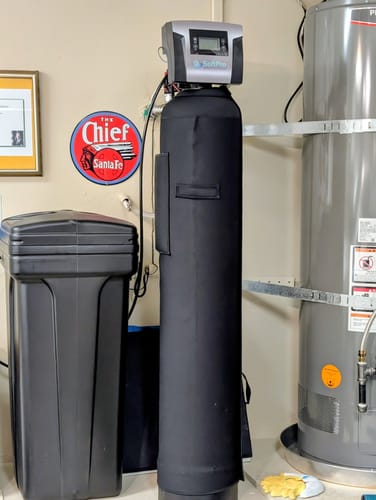
How long is too long? Typically, you'll see brown water clear up within a few minutes to an hour after backwash—that's completely normal.
Brown water after backwash is normal—expect it to clear within minutes to an hour.
We recommend flushing until the sight glass clears, then continuing for at least 30 more seconds to verify contaminants are fully expelled.
Beyond an hour, though, you should start paying attention. Persistent discoloration signals a potential problem rather than standard post-backwash behavior.
Keep in mind that iron concentration matters. Higher iron levels naturally extend flushing times, so your system's baseline will vary.
If brown water continues despite prolonged rinsing, we're likely looking at inadequate flow, filter inefficiency, or iron entering from an untreated source—all situations requiring immediate equipment examination rather than continued waiting.
What Causes Brown Water to Keep Coming Back After Backwash?
Once the brown water persists past that one-hour mark, we need to ask why it keeps returning—because the cause determines the fix.
Recurring discoloration usually points to one of these culprits:
- High iron levels (11 ppm+) overwhelm the filter's conversion and precipitation capacity.
- Insufficient rinse cycles let residual sediment migrate back into your plumbing.
- Short pressure tank retention time prevents complete iron oxidation before water moves through.
- Inadequate post-backwash flushing—we recommend running at least 30 seconds past sight glass clarity.
Each issue compounds the others. If your iron concentration is high and your rinse cycle is short, you're fundamentally recycling the problem.
Identifying which variable is failing first gives you the clearest path toward actually resolving the discoloration.
How to Fix Brown Water That Won't Clear After Backwash
Fixing brown water that won't clear starts with extending your rinse cycle—run taps for at least 30 seconds past sight glass clarity, because cutting that step short leaves residual iron circulating through your pipes.
Next, add a sequestrant like ProTeam's Metal Magic to bind dissolved iron before it oxidizes. Then inspect your valves and flow rates during backwash—sluggish flow signals mechanical failure.
| Problem | Cause | Fix |
|---|---|---|
| Persistent brown water | Short rinse cycle | Extend 30+ seconds past clarity |
| Dissolved iron buildup | No sequestrant use | Add Metal Magic regularly |
| Weak backwash flow | Valve malfunction | Inspect and repair valves |
Finally, test iron levels consistently—data drives smarter treatment decisions and stops guesswork from costing you clarity.
Backwash Habits That Prevent Brown Water in Iron Filters
Five backwash habits can stand between you and consistently clear water—and most of them take less effort than dealing with brown water after the fact.
Here's what we recommend building into your routine:
- Rinse 30+ seconds past sight glass clarity to flush residual iron before it recolors your water.
- Watch your pressure gauge consistently so you catch flow problems before iron accumulates.
- Soak and clean filter media regularly to maintain efficiency and reduce rust particle release.
- Dose sequestrants based on your iron levels to prevent oxidation-driven discoloration during cycles.
The fifth habit ties everything together: backwash on a fixed schedule.
Ad-hoc backwashing destabilizes water clarity and forces longer post-backwash flushing. Consistency compounds—each well-timed cycle makes the next one cleaner.
Frequently Asked Questions
Why Is My Water Still Brown After Filtering?
Your filter's likely struggling to remove dissolved iron, or it's clogged and letting contaminants slip through. We'd recommend extending your rinse cycle by 30 seconds past sight glass clarity to restore clean, clear water.
How Long Should an Iron Filter Backwash?
We recommend backwashing your iron filter for 10 to 15 minutes, following your manufacturer's guidelines. You'll also want to flush at least 30 seconds beyond when you see clear water in the sight glass.
Is Slightly Brown Water Safe?
Slightly brown water's generally safe to drink, though it's unappealing. It's typically rust or sediment causing the discoloration. However, we'd recommend testing your water if discoloration persists, as other contaminants could pose potential health risks.
Should You Rinse Every Time You Backwash?
Yes, we should always rinse after every backwash. It removes residual iron particles and sediment, preventing brown water from returning to our pool when we restart the pump. It's a non-negotiable step for maintaining clarity.






