


![SoftPro™ Chlorine+ Carbon Whole House Water Filter to Remove PFAS, Chlorine, Chloramine & Pesticides [City Water Filters Series]](http://www.softprowatersystems.com/cdn/shop/files/SoftPro_Whole_House_Carbon_Filter_with_Spin_Down_Water_Filter.webp?v=1783547361&width=140)


 855-683-8488


Iron in Well Water and Long-Term Health Effects: What the Best Studies Currently Show

Iron in well water isn't just a cosmetic problem—it's a genuine health concern backed by research. Studies show prolonged exposure can cause gastrointestinal damage, liver deterioration, and conditions like hemochromatosis. Over 70% of tubewell sources in Bangladesh exceed safe iron limits, and hazard quotients surpass safe thresholds in 8% of tested wells globally. We'll walk you through what the latest science actually shows and what you can do to protect yourself.
Key Takeaways
- High iron levels in well water cause gastrointestinal damage, including nausea, vomiting, and diarrhea, with prolonged exposure leading to organ deterioration.
- Cumulative iron intake from contaminated well water can cause hemochromatosis, a serious condition affecting multiple organs, including the liver.
- Men with elevated ferritin levels face a 25% chance of exceeding dangerous thresholds within 12 years of sustained high-iron exposure.
- Adults face greater non-cancer health risks from iron-contaminated well water than children, according to current hazard quotient studies.
- Over 70% of tubewell sources in Bangladesh exceed acceptable iron limits, highlighting widespread global exposure risks.
How Iron Gets Into Your Well Water

When rainwater seeps through the ground, it dissolves iron from rocks and soil, carrying it into aquifers and eventually into our wells. This process intensifies in low-oxygen environments, where iron becomes far more soluble and accumulates more readily.
But natural geology isn't the only culprit. Our own plumbing infrastructure—corroded pipes and aging fixtures—can introduce additional iron directly into the water supply. In iron-rich aquifers, concentrations can exceed 2.81 mg/L, well above what most people expect.
There's another layer worth understanding: iron-utilizing bacteria. These microorganisms accelerate rusting in pipes and surrounding materials, compounding contamination beyond what geology alone would produce.
Knowing these distinct pathways helps us pinpoint the source and choose the most effective treatment strategy.
How to Test Your Well Water for Iron
Now that we recognize how iron finds its way into our wells, the next logical step is figuring out exactly how much of it we're dealing with.
Start visually—yellow or red-tinted water is your first clue. For precise measurements, send samples to an accredited laboratory; anything above 0.3 mg/L is generally considered problematic.
Color-based field tests like Phenol Red, Universal Indicator, and Eriochrome Black T offer quicker, accessible screening options.
Don't stop at iron alone—Minnesota's Department of Health recommends simultaneously testing for water hardness, pH, alkalinity, and iron bacteria to get the full picture.
Schedule these tests periodically, since iron concentrations shift over time and early detection prevents staining, taste deterioration, and potential health consequences down the road.
What High Iron Levels Do to Your Body
Once we recognize how much iron is lurking in our water, the next question is what it's actually doing to our bodies. High iron levels create a cascade of health consequences worth knowing:
- Gastrointestinal damage – Iron's corrosive properties trigger nausea, vomiting, and diarrhea.
- Organ deterioration – Prolonged exposure damages the liver and disrupts metabolic function, especially in diabetics.
- Measurable risk thresholds – Hazard quotients exceed 1 in 8% of tested tubewells, signaling real adverse health potential for adults.
- Iron overload conditions – Cumulative intake can cause hemochromatosis, severely damaging the liver, heart, and glands.
For those with pre-existing liver disease, high iron intake isn't just a risk—it actively accelerates their condition's progression.
What the Research Says About Long-Term Iron Exposure
Research paints a concerning picture of what happens when we drink iron-rich water over years and decades. Studies link long-term high-iron exposure to stomach issues, liver damage, and metabolic disruption.
For men with ferritin levels between 300–1,000 μg/l, there's a 25% chance of exceeding 1,000 μg/l within 12 years—a threshold associated with serious conditions like hemochromatosis, where the body absorbs excessive iron uncontrollably.
Adults carry greater non-cancer risks than children, with hazard quotient values signaling real danger across significant population segments.
The data from Bangladesh is particularly striking: over 70% of tubewell sources exceed acceptable iron limits per the NDWQS. These findings aren't abstract—they underscore why regular water testing isn't optional. It's a genuine long-term health strategy.
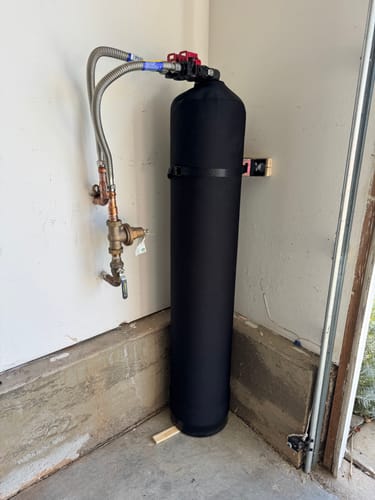
How to Remove Iron From Well Water
The good news is we've got several reliable ways to tackle iron in well water, each suited to different situations.
- Water softeners use ion exchange to swap iron for sodium ions, reducing stains and improving taste.
- Oxidation filtration targets solid iron particles, achieving significant concentration reductions.
- Reverse osmosis removes dissolved iron and broader impurities for thorough household protection.
- Professional consultation identifies whether you're dealing with ferrous, ferric, or organic iron, matching the right solution to your specific conditions.
No system runs indefinitely without attention, though.
We recommend testing every six months or after significant rainfall to confirm your treatment stays effective.
When in doubt, bring in a professional—precise diagnosis leads to better long-term outcomes.
Frequently Asked Questions
Is Well Water With Iron in It Bad for You?
Well water with high iron isn't automatically harmful, but we shouldn't ignore it. Levels exceeding 0.3 mg/L can cause liver damage, stomach issues, and hemochromatosis risk—so we'd recommend testing your water regularly.
What Are the Symptoms of Too Much Iron in Well Water?
When we drink iron-contaminated well water, we'll often experience nausea, vomiting, diarrhea, and a persistent metallic taste. Long-term, we're risking organ damage and elevated ferritin levels from dangerous iron accumulation in our bodies.
What Helps With Iron in Well Water?
We've got options! Home filters, water softeners, reverse osmosis systems, and chemical oxidation all tackle iron effectively. Regular testing and consulting a licensed water treatment specialist helps us pinpoint the best solution for our specific well water.
What Are the Long Term Effects of Iron in Drinking Water?
Long-term iron exposure can damage our liver, trigger gastrointestinal issues, and cause hemochromatosis—a serious iron overload condition. Studies show 73% of tested wells exceed safe limits, making consistent water monitoring and treatment essential for protecting our health.






