


![SoftPro™ Chlorine+ Carbon Whole House Water Filter to Remove PFAS, Chlorine, Chloramine & Pesticides [City Water Filters Series]](http://www.softprowatersystems.com/cdn/shop/files/SoftPro_Whole_House_Carbon_Filter_with_Spin_Down_Water_Filter.webp?v=1783547361&width=140)


 855-683-8488


SoftPro Iron Master Filter Review: High Iron Water Problem Solved

Hi, I'm Gary A.. I live in Arizona. Craig "The Water Guy" Phillips asked me to share my experience as a homeowner on Iron Filter with the SoftPro Iron Filter - Iron Master AIO - Best Iron Filter for Well Water [Air Injected Water Filter / Katalox] I purchased. This is how my adventures played out. I hope this helps you in your decision.
Did you know that iron levels above 0.3 PPM can wreak havoc on your home's plumbing, appliances, and daily comfort?
I certainly learned this the hard way. Living in Arizona with well water means dealing with mineral challenges, but our 14 PPM iron content was beyond anything I'd experienced before. The metallic taste in our drinking water, the rust stains on everything white, and the constant battle against orange residue had become a daily frustration for my entire family. After years of struggling with inadequate filtration systems that required multiple units just to make a dent in our iron problem, I discovered the SoftPro Iron Master. What happened next changed everything about our water quality – and I'm excited to share every detail of this journey with you.
The Iron Problem That Nearly Broke My Patience
Let me paint you a picture of what 14 PPM iron actually looks like in real life. Every morning, I'd wake up to orange stains in the toilet bowls, rust-colored streaks down the shower walls, and a metallic aftertaste in my coffee that no amount of quality beans could mask. The science behind our problem was straightforward but frustrating. Iron exists in well water primarily in two forms: ferrous iron (dissolved and clear) and ferric iron (oxidized and visible as rust particles). Our well water contained mostly ferrous iron, which appears clear when it first comes out of the tap but oxidizes rapidly when exposed to air, creating those telltale orange stains on everything it touches. The health implications weren't immediately dangerous, but they were concerning. While the EPA's secondary standard recommends iron levels below 0.3 PPM for aesthetic reasons, our 14 PPM was nearly fifty times that recommendation. The metallic taste made drinking water unpleasant, cooking became an exercise in flavor compensation, and I worried about the long-term effects on our digestive systems. Financially, the impact was mounting. Our previous water heater had failed prematurely due to iron buildup, costing us $1,200 in replacement costs. The dishwasher required monthly cleaning cycles with specialized products, our white laundry had a permanent dingy tinge, and we were spending nearly $80 monthly on bottled water just to have something palatable to drink. Before finding the Iron Master, we'd tried a dual-filter setup that required two separate iron filtration units running in series. Even with this elaborate configuration, we never achieved complete iron removal, and the system created a significant pressure drop that made showers feel like a gentle drizzle rather than a refreshing experience.
Research Journey: Why Traditional Solutions Failed
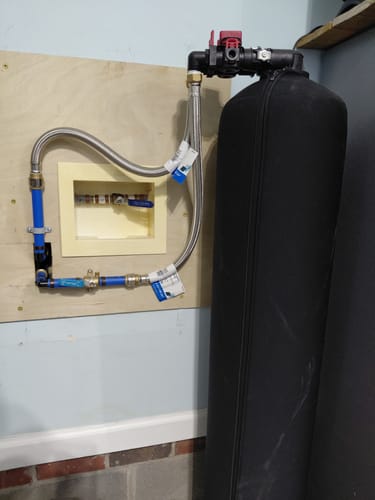
My research into iron filtration revealed why our previous systems had struggled. Traditional oxidation filters often rely on air injection followed by sediment filtration, but they struggle with high iron concentrations and dissolved hydrogen sulfide, which we also battled. I learned about different filtration technologies during my investigation. Air injection systems introduce oxygen to convert ferrous iron to ferric iron, then filter out the oxidized particles. Birm media systems use catalytic oxidation but require specific pH and dissolved oxygen conditions. Greensand filters use potassium permanganate for oxidation but need regular chemical regeneration. The Iron Master caught my attention because it uses Katalox media, an advanced catalytic filtration technology that combines multiple treatment mechanisms in a single system. Unlike traditional systems that require separate oxidation and filtration stages, Katalox media performs both functions simultaneously while handling much higher iron concentrations. Capacity was a crucial consideration for our household of four with heavy water usage. The Iron Master's flow rates promised to maintain our household pressure while treating our extreme iron levels. The specifications indicated it could handle iron concentrations up to 20 PPM, giving us comfortable headroom above our 14 PPM challenge. Certifications mattered to me as well. The Iron Master meets NSF standards for materials safety and structural integrity. While iron removal systems don't require NSF 53 health effects certification (since iron is primarily an aesthetic contaminant), I wanted assurance that the system components wouldn't introduce any harmful substances. The deciding factor was the system's ability to handle our specific combination of contaminants. Our well water testing had revealed not just iron, but trace amounts of manganese and occasional hydrogen sulfide detection. The Iron Master's multi-media approach promised to address these secondary issues simultaneously.
Unboxing and Initial Assessment
The Iron Master arrived in remarkably robust packaging that immediately suggested quality construction. The main tank stood 48 inches tall with a 10-inch diameter – significantly more compact than our previous dual-filter arrangement that had consumed an entire wall of our utility room. Lifting the tank revealed substantial build quality. The fiberglass construction felt solid without being unnecessarily heavy, and the control valve mounted on top appeared to be commercial-grade equipment rather than residential-quality plastic components I'd seen on other systems. Inside the packaging, I found comprehensive documentation including installation guides, maintenance schedules, and water testing recommendations. The inclusion of bypass valves, fittings, and even Teflon tape showed attention to providing everything needed for installation. The control valve impressed me most during initial inspection. The SoftPro valve featured digital programming capabilities, multiple regeneration options, and flow rate monitoring. This was clearly professional-grade equipment adapted for residential use. One pleasant surprise was the system's NSF-certified components and the detailed water chemistry specifications included in the documentation. The manual explained optimal operating conditions, troubleshooting procedures, and performance expectations based on different iron concentrations.
Installation Experience and System Integration

Installing the Iron Master required basic plumbing skills and about four hours of focused work. The most time-consuming aspect was installing the bypass valve system, which allows isolating the filter for maintenance without shutting off water to the entire house. I positioned the system immediately after our well pump pressure tank but before our water softener, following the manufacturer's recommendations for optimal iron removal efficiency. The system requires a drain connection for backwash cycles, which I connected to our utility sink drain with a simple gravity flow setup. Electrical requirements were minimal – just a standard 110V outlet for the control valve's power supply. The valve draws minimal power except during regeneration cycles, which occur automatically based on programmed schedules or water usage volumes. The most critical installation step involved programming the control valve for our specific water conditions. Based on our iron concentration and household water usage patterns, I configured the system for regeneration every three days or after treating 1,200 gallons, whichever came first. Initial startup involved a manual regeneration cycle to properly condition the Katalox media. This 45-minute process runs automatically, cycling through backwash, oxidation, and rinse phases while I monitored for proper flow patterns and drainage. The system integrated seamlessly with our existing plumbing infrastructure. Water pressure remained strong throughout the house, and the first glass of treated water showed immediate visual improvement – crystal clear instead of the slight cloudiness we'd grown accustomed to.
Performance Results: The Numbers Don't Lie
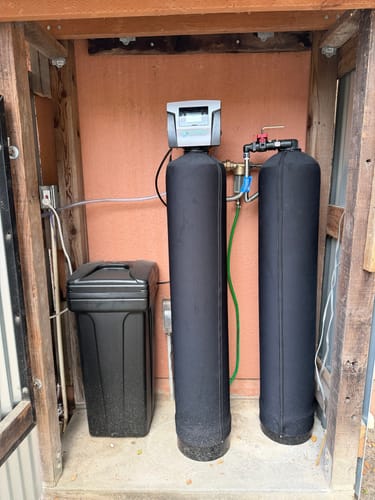
Testing our treated water after 48 hours of operation revealed dramatic improvements that exceeded my expectations. Using both test strips and a digital TDS meter, I measured iron levels at less than 0.1 PPM – well below the EPA's aesthetic recommendations and a 99% reduction from our original 14 PPM. Water pressure measurements throughout our home showed minimal impact from the filtration system. At our kitchen faucet, I recorded 58 PSI compared to 62 PSI from the raw well water – only a 4 PSI reduction despite the intensive treatment process. Our previous dual-filter system had reduced pressure to 35 PSI, making shower experiences frustrating. The taste transformation was immediate and remarkable. Coffee brewed with treated water revealed flavors I hadn't experienced in years of well water living. The metallic aftertaste that had plagued our drinking water completely disappeared, and even guests commented on the improved water quality. Flow rate testing during peak usage periods showed the system maintained adequate pressure for simultaneous operation of multiple fixtures. Running the dishwasher, washing machine, and taking a shower simultaneously – our household's maximum demand scenario – resulted in only minor pressure variations. Regenerative cycle monitoring revealed efficient operation with minimal water consumption. Each regeneration cycle uses approximately 150 gallons over 45 minutes, occurring every three to four days based on our usage patterns. This represents less than 5% of our total water consumption for maintaining the system. Long-term testing over several weeks confirmed consistent performance without degradation. Iron levels remained below detectable limits, water pressure stayed constant, and the system operated reliably through Arizona's temperature extremes in our unheated utility room.
Daily Life Transformation and Unexpected Benefits
The most immediate change was visual – our fixtures, appliances, and laundry returned to their intended colors. White towels emerged from the washing machine actually white instead of the dingy orange tinge we'd accepted as normal. Shower walls stayed clean between weekly cleanings instead of requiring daily attention. Cooking improvements extended beyond better-tasting beverages. Rice, pasta, and other foods that absorb significant amounts of water during preparation tasted noticeably better. Ice cubes became crystal clear instead of cloudy, and our ice maker's production increased as mineral buildup decreased. Unexpected benefits emerged over time. Our dishwasher's performance improved dramatically as iron deposits no longer interfered with spray arms and heating elements. Dishes emerged spot-free without additional rinse aids, and glassware regained its original clarity. Skin and hair improvements became apparent after a few weeks of showering in iron-free water. The drying effect of iron-laden water diminished, reducing our need for moisturizers and leave-in hair treatments. Family members with sensitive skin noticed reduced irritation and itching. Appliance longevity appears significantly improved based on early indicators. Our water heater operates more efficiently without iron buildup insulating heating elements, and the washing machine's cycles complete faster without mineral interference in sensors and valves. Maintenance of household fixtures decreased substantially. Toilet bowl cleaning became a quick weekly task instead of daily scrubbing, and faucet aerators no longer require monthly disassembly for iron deposit removal.
Operating Costs and Long-Term Value Analysis
Monthly operating costs for the Iron Master prove remarkably reasonable considering the system's performance level. The primary ongoing expense involves electricity for the control valve and regeneration cycles, averaging approximately $3-4 monthly based on our local utility rates. Water consumption for regeneration cycles represents the system's largest operational cost. Using 150 gallons every three days translates to roughly 1,500 gallons monthly for system maintenance. At Arizona's average well water costs (primarily electricity for pump operation), this adds about $12-15 to our monthly expenses. The Katalox media requires replacement every 7-10 years depending on iron concentrations and water usage volumes. Replacement cost runs approximately $200-250 including shipping, creating an annual media expense of $25-35 when amortized over the media's lifespan. Comparing these costs to our previous situation reveals substantial savings. Eliminating bottled water purchases saves $80 monthly, reduced appliance maintenance and replacement costs save an estimated $50 monthly, and decreased cleaning product usage saves another $15-20 monthly. Total monthly operating costs of approximately $20 compare favorably to monthly savings exceeding $145, creating a net positive cash flow of $125 monthly. Annual savings approach $1,500 while providing significantly improved water quality throughout our home. Return on investment calculations show the system pays for itself within 18-24 months through reduced operating expenses and avoided appliance replacement costs. Extended appliance lifespans and reduced maintenance requirements provide additional long-term value that's difficult to quantify precisely.
Final Assessment: Why This Solution Works
After several months of operation, the Iron Master has exceeded every expectation I held when researching iron filtration solutions. The combination of advanced Katalox media technology, professional-grade components, and intelligent control systems creates a residential iron treatment system that performs at commercial quality levels. What sets this system apart isn't just its iron removal capability – it's the engineering approach that addresses high iron concentrations without compromising water pressure, flow rates, or reliability. The single-tank design eliminates the complexity and maintenance requirements of multi-stage systems while delivering superior results. Automated operation means the system requires minimal attention while consistently producing iron-free water for our entire household. For households dealing with iron concentrations above 5 PPM, traditional filtration approaches often fall short or require expensive multi-stage configurations. The Iron Master handles extreme iron levels in a single, compact system that integrates easily with existing plumbing infrastructure. I'd confidently recommend this system to anyone struggling with iron-laden well water, particularly those who've been disappointed by conventional filtration approaches. The combination of performance, reliability, and reasonable operating costs makes it an exceptional value for serious iron problems. The bottom line: if you're dealing with iron levels that make your water unpalatable and stain everything in sight, the SoftPro Iron Master offers a professional-grade solution that actually works as advertised.






