


![SoftPro™ Chlorine+ Carbon Whole House Water Filter to Remove PFAS, Chlorine, Chloramine & Pesticides [City Water Filters Series]](http://www.softprowatersystems.com/cdn/shop/files/SoftPro_Whole_House_Carbon_Filter_with_Spin_Down_Water_Filter.webp?v=1783547361&width=140)


 855-683-8488


SoftPro Iron Master Iron Filter Review: My Honest 6-Month Experience

Hi, I'm Daniel W.. I live in Texas. Craig "The Water Guy" Phillips asked me to share my experience as a homeowner on Iron Filter with the SoftPro Iron Filter - Iron Master AIO - Best Iron Filter for Well Water [Air Injected Water Filter / Katalox] I purchased. This is how my adventures played out. I hope this helps you in your decision.
Did you know that over 40% of Americans get their water from private wells, and iron contamination affects nearly 75% of these water sources? I certainly didn't realize how common my problem was until I started researching solutions for the rusty, metallic-tasting water coming from my Texas well.
For three years, I dealt with orange stains on everything - my white shirts turned rust-colored after washing, my coffee tasted like I was drinking liquid pennies, and guests would politely ask for bottled water after one sip from our tap. The breaking point came last spring when my wife's brand-new porcelain sink developed permanent orange streaks that no amount of scrubbing could remove.
After six months of living with the Iron Master system, I can honestly say it's been one of the best investments we've made for our home. But like any significant purchase, it wasn't without its learning curve and a few surprises along the way.
The Iron Problem That Nearly Drove Me Crazy
Living in rural Texas, well water is just a fact of life. What I didn't expect was the level of iron contamination in our water supply. When we first moved to our property, I noticed a slight metallic taste, but I figured it was just "country water" and we'd get used to it.
Boy, was I wrong.
The problems started small. My morning coffee had this underlying metallic flavor that I initially blamed on our old coffee maker. Then I noticed orange rings developing in our toilets that required constant scrubbing. Within six months, the issues escalated dramatically.
Our white laundry started coming out with a dingy, rust-colored tinge. My wife's favorite white blouses were ruined after just a few washes. The shower walls developed orange streaks that seemed impossible to clean completely. Even worse, our guests started commenting on the taste and smell of our water.
I had our water tested by a local lab and discovered we had 4.2 parts per million (PPM) of iron in our water supply. According to EPA guidelines, anything above 0.3 PPM is considered problematic for household use. We were dealing with iron levels nearly 14 times higher than recommended.
The iron in our well water was primarily ferrous iron - the dissolved, clear form that becomes visible ferric iron (the rusty, red particles) once exposed to oxygen. This explained why our water looked clear coming out of the tap but left orange stains everywhere it sat.
Before discovering the Iron Master, I tried several band-aid solutions. We installed a basic sediment filter, which did nothing for dissolved iron. I experimented with iron removal cartridges from the hardware store, but they needed replacement every few weeks and never addressed the root problem. We even considered having bottled water delivered, but the monthly costs were astronomical for a family of four.
Research Journey: Finding the Right Solution
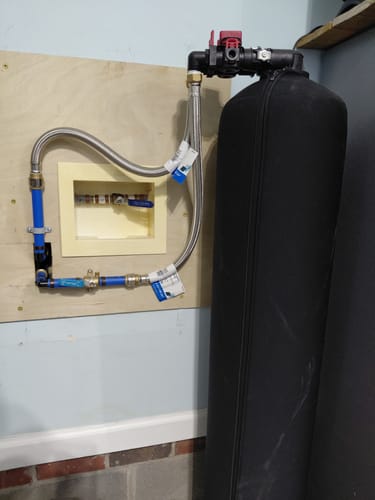
My research phase lasted about two months, and I quickly learned that not all iron filtration systems are created equal. The market is flooded with different technologies, each claiming to be the ultimate solution.
I discovered there are essentially three main approaches to iron removal: oxidation followed by filtration, ion exchange (like water softeners), and catalytic media filtration. Each method has specific applications depending on the type and concentration of iron, water pH, and other factors.
Traditional oxidation systems use chemical injection (chlorine or potassium permanganate) followed by retention tanks and filtration. While effective, these systems require ongoing chemical purchases, storage, and maintenance. For someone like me who travels frequently for work, the maintenance requirements seemed overwhelming.
Water softeners can remove some iron through ion exchange, but they're really designed for hardness minerals like calcium and magnesium. Iron tends to foul the resin beds, requiring frequent regeneration and eventually causing permanent damage. Our water actually had moderate hardness too, so I considered combination systems.
Catalytic media filtration caught my attention because it promised iron removal without chemicals or excessive maintenance. The Iron Master uses Katalox media, which creates a catalytic reaction that converts dissolved ferrous iron to filterable ferric iron, then captures the particles in the same unit.
What ultimately sold me on the Iron Master was its air injection oxidation system combined with Katalox media.
The air injection creates an oxygen-rich environment that naturally oxidizes iron without chemicals. The Katalox media then filters out the oxidized particles and also provides some catalytic action for additional iron removal. This dual-action approach seemed ideal for our high iron levels.
I also appreciated that the system included automatic backwashing to clean the media bed. Based on my research, backwashing frequency and effectiveness are crucial for long-term performance with high iron concentrations.
Unboxing and First Impressions
The Iron Master arrived via freight truck, which I hadn't expected. The delivery driver mentioned it was one of the heavier residential water treatment systems he'd delivered, and I understood why when we moved it into position.
The main unit is substantial - about 54 inches tall and weighing approximately 180 pounds when dry. The fiberglass tank has a professional appearance with clean lines and a durable finish. Unlike some water treatment equipment I'd seen that looks clearly industrial, this unit wouldn't look out of place in a utility room or garage.
The control head is a SoftPro valve, which I'd read about during my research. It's apparently an industry-standard component known for reliability. The digital display shows system status, days until next backwash, and gallons processed. Having this information readily available immediately appealed to my engineering background.
All necessary installation components were included: bypass valves, unions, pressure gauges, and detailed piping schematics. The installation manual was surprisingly thorough - not just generic instructions, but specific guidance for different installation scenarios.
One pleasant surprise was the inclusion of a water testing kit for monitoring iron levels before and after installation. Most manufacturers assume you'll figure out performance on your own, so having actual testing capability included demonstrated attention to customer success.
Installation Experience: Easier Than Expected

I chose to install the system myself, partially to save money but mainly because I enjoy understanding how things work. The installation took most of a Saturday, but that included running new electrical for the control valve.
The Iron Master requires 110V power for the control head and air injection pump. I installed a dedicated GFCI outlet near the planned location, which added about an hour to the project. The electrical requirements are minimal - the entire system draws less than 3 amps during operation.
Plumbing installation was straightforward with basic skills. I installed the system after our pressure tank but before our existing water heater and softener. The bypass valves are essential for maintenance and allow you to temporarily operate on untreated water if needed.
The air injection system required connecting a small air line from the compressor to the venturi fitting on the main inlet. This creates the oxygen-rich environment needed for iron oxidation. The compressor is surprisingly quiet - I can barely hear it running from inside our house.
Initial startup involved programming the control head for our specific water conditions. Based on our iron levels and household size, I set the system to backwash every three days initially. The programming interface is intuitive once you understand the basic concepts.
The first backwash cycle was eye-opening. Watching rust-colored water drain from the system during the rinse cycle confirmed just how much iron we'd been consuming daily. It took about 15 minutes for the rinse water to run clear, indicating the Katalox media was already working.
Within 24 hours, the difference in our water was obvious.
Performance Results: The Numbers Don't Lie
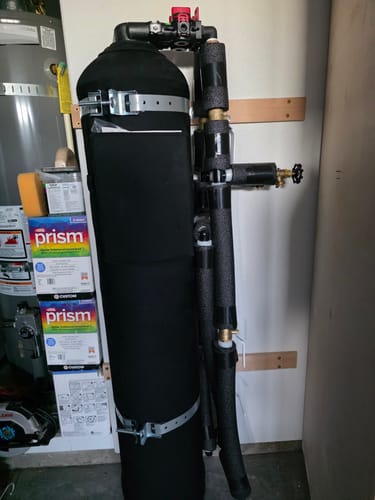
I tested our water religiously for the first month to document actual performance. Using both the included test strips and a more accurate digital meter, I tracked iron levels, pH, and total dissolved solids.
Pre-treatment iron levels consistently measured between 4.0 and 4.5 PPM depending on seasonal variations. Post-treatment levels dropped to 0.1 to 0.2 PPM within the first week - well below the 0.3 PPM EPA guideline for iron in drinking water.
The taste improvement was immediate and dramatic. Our water went from having a strong metallic flavor to being virtually indistinguishable from bottled water. My morning coffee finally tasted like coffee again, and guests stopped requesting bottled water.
Staining elimination took about two weeks to become apparent, simply because existing stains had to be cleaned away first. New orange staining stopped appearing immediately, but I had to scrub away months of accumulated iron deposits from toilets, sinks, and shower surfaces.
Our laundry situation improved gradually as we worked through existing iron buildup in our washing machine. After about a month, white clothes stayed white, and colors appeared brighter without the iron-induced dulling effect.
One unexpected benefit was the elimination of iron bacteria odor. I hadn't realized our water had a slight sulfur smell until it disappeared. Apparently, iron and sulfur problems often occur together in well water, and the oxidation process addressed both issues.
Flow rate through the system measures about 12 GPM at normal household pressure, which easily handles simultaneous usage scenarios like showering while running the dishwasher. We've never experienced pressure drops or flow restrictions.
Daily Living Impact: Beyond Just Iron Removal
Six months later, the Iron Master has improved our daily life in ways I didn't anticipate when researching iron filters. The obvious benefits - better-tasting water and elimination of staining - were immediate and expected.
What I didn't expect was how much time we'd save on household cleaning. Our toilets, sinks, and shower surfaces stay clean much longer without constant iron staining. My wife estimates she spends about 30 minutes less per week scrubbing iron stains that no longer appear.
Our appliances are definitely happier too. The dishwasher produces spot-free glassware without expensive rinse aids. Our water heater operates more efficiently without iron buildup on the heating elements. Even our coffee maker and ice machine function better with clean water.
Laundry day is no longer a source of frustration. White clothes stay white, and we've eliminated the need for iron removal additives and extra rinse cycles. Our clothing actually lasts longer without the constant exposure to iron that was causing premature fabric degradation.
Visitors consistently comment on our water quality now. Several neighbors have asked about our system after tasting the difference. It's gratifying to offer guests water from the tap without embarrassment.
Our skin and hair feel better too. Iron buildup was apparently affecting soap performance, leaving residue that made skin feel dry and hair look dull. These improvements took a few weeks to become noticeable but have been consistent.
Operating Costs and Maintenance Reality
One of my biggest concerns during the research phase was ongoing operational costs. Many iron removal systems require expensive chemicals, frequent filter replacements, or professional service calls.
The Iron Master's operating costs are refreshingly minimal. The air injection system uses virtually no electricity - maybe $2-3 per month based on our electric rates. The automatic backwash cycles use approximately 150 gallons of water every three days, which costs about $12 per month on our well system.
No chemicals are required for normal operation, eliminating ongoing purchases and storage concerns. The Katalox media is designed to last 10-15 years under normal conditions, making it essentially a one-time cost.
Maintenance requirements are minimal but important. I check the system monthly for proper operation and occasionally clean the air injection venturi. The control head tracks total gallons processed and days since last backwash, making monitoring effortless.
The most significant maintenance item is annual replacement of the air injection pump diaphragm, which costs about $25 and takes 10 minutes to install. This is vastly simpler than systems requiring chemical tanks, injection pumps, and retention tanks.
After six months, my total operating costs are running about $20 per month including electricity, water for backwashing, and amortized maintenance parts. Compared to our previous monthly bottled water expenses of $80-100, the system pays for itself quickly.
The return on investment timeline is approximately 18-24 months based on our usage patterns and previous bottled water costs.
Who Should Consider the Iron Master (And Who Shouldn't)
After living with this system for six months, I have a clear sense of who would benefit most from the Iron Master and who might be better served by alternatives.
The Iron Master is perfect for you if:
You're dealing with iron levels between 1-15 PPM in well water. This seems to be the sweet spot for air injection oxidation systems. Lower iron levels might not justify the investment, while extremely high levels might require additional pre-treatment.
You want a chemical-free solution with minimal maintenance. If you travel frequently, work long hours, or simply don't want to deal with chemical storage and injection systems, the Iron Master's simplicity is ideal.
You have moderate DIY skills or don't mind paying for professional installation. While not overly complex, installation does require basic plumbing and electrical work.
Your household uses 500+ gallons per day on average. The system's capacity and backwash frequency are optimized for typical family usage patterns.
You should probably consider alternatives if:
Your iron levels are below 1 PPM. A simple cartridge filter might be more cost-effective for minor iron issues.
You're dealing with extremely high iron levels (over 20 PPM) or complex water chemistry issues. These situations often require professional water analysis and potentially multi-stage treatment systems.
You're in a rental property or plan to move within 2-3 years. The payback period and installation effort might not be justified for short-term situations.
Your well produces less than 5 GPM or has very low pressure. The system requires adequate flow and pressure for proper backwashing and operation.
You have extremely hard water (over 25 grains per gallon) along with iron issues. A combination approach with softening might be more appropriate.
Would I buy the Iron Master again? Absolutely. The combination of effectiveness, reliability, and low maintenance has exceeded my expectations. It's one of those purchases that improves daily life in multiple small ways that add up to significant long-term satisfaction.






