


![SoftPro™ Chlorine+ Carbon Whole House Water Filter to Remove PFAS, Chlorine, Chloramine & Pesticides [City Water Filters Series]](http://www.softprowatersystems.com/cdn/shop/files/SoftPro_Whole_House_Carbon_Filter_with_Spin_Down_Water_Filter.webp?v=1783547361&width=140)


 855-683-8488


SoftPro Iron Master Iron Filter Review: Real Results from California

Hi, I'm Terry O.. I live in California. Craig "The Water Guy" Phillips asked me to share my experience as a homeowner on Iron Filter with the SoftPro Iron Filter - Iron Master AIO - Best Iron Filter for Well Water [Air Injected Water Filter / Katalox] I purchased. This is how my adventures played out. I hope this helps you in your decision.
When I first opened the box and found my Iron Master iron filter cracked, I'll admit I was frustrated. After months of dealing with rusty, metallic-tasting well water that was staining my fixtures and making my morning coffee taste awful, the last thing I wanted was a shipping delay. But sometimes these setbacks happen for a reason – they give you a chance to really evaluate what you're getting into.
The replacement unit arrived within a week, and I'm genuinely pleased to report that the installation went smoothly the second time around. More importantly, after six months of daily use, I can confidently say we now have noticeably softer water throughout our home. The metallic taste is completely gone, and those stubborn orange stains that plagued my bathroom fixtures are now just a bad memory.
Let me walk you through my complete experience with this iron filtration system, from the initial problems that led me to purchase it, through the installation process, to the real-world performance results I've measured in my California home.
The Iron Problem That Drove Me to Find a Solution
Living with well water in California comes with unique challenges, and iron contamination was wreaking havoc on my household. Our water tested at 4.2 parts per million (PPM) of iron – well above the EPA's recommended secondary standard of 0.3 PPM. This wasn't just a cosmetic issue; it was affecting every aspect of our daily water use.
The most obvious problem was the taste and odor. Have you ever tried to enjoy your morning coffee when it tastes like you're drinking from a rusty pipe?
It's absolutely awful. The metallic flavor was so strong that even brewing tea became unpleasant. My family started buying bottled water for drinking, which was getting expensive quickly.
But the real damage was happening to our plumbing fixtures and appliances. Orange and brown stains covered our toilet bowls, shower walls, and sink basins. These iron oxide deposits were incredibly stubborn – regular household cleaners barely made a dent. I was spending hours every week scrubbing with specialized rust removers, and the stains kept coming back within days.
Our water heater was taking the biggest hit. Iron sediment was accumulating in the tank, reducing efficiency and creating that awful rotten egg smell when we ran hot water. The heating elements were failing more frequently than they should, and our energy bills reflected the decreased efficiency.
The washing machine was another casualty. White clothes were developing a dingy, brownish tint that fabric softeners and bleach couldn't eliminate. We had to replace several loads of laundry that were permanently stained. Dark colored clothing wasn't as obviously affected, but I could feel the difference in fabric texture – everything felt rougher and less clean.
Iron bacteria was the final straw. These naturally occurring microorganisms feed on iron in water, creating slimy biofilms in pipes and fixtures. I started noticing reddish-brown slime in our toilet tanks and a distinct musty smell from our faucets. This wasn't just aesthetic anymore – it was becoming a potential health concern.
I researched the science behind iron contamination and learned that our well water contained both ferrous iron (dissolved) and ferric iron (oxidized particles). The ferrous iron was invisible when we first drew water, but it quickly oxidized when exposed to air, creating those telltale rusty particles and stains. Understanding this chemistry helped me realize I needed an oxidation-based filtration system rather than a simple sediment filter.
My Research Journey Into Iron Filtration Solutions
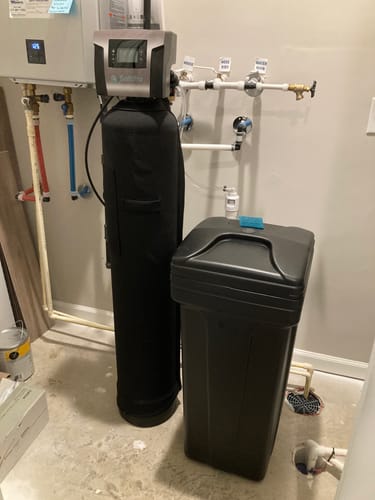
After dealing with iron problems for two years, I finally committed to finding a permanent solution. My research process took about three months, and I learned there are several different approaches to iron removal, each with distinct advantages and limitations.
Water softeners were my first consideration. Traditional salt-based softeners can handle small amounts of ferrous iron (typically up to 3-5 PPM), but my 4.2 PPM level was pushing the limits. More importantly, I learned that iron can foul the resin bed over time, reducing the system's effectiveness for softening and requiring frequent cleanings with iron-removal chemicals.
Chemical oxidation systems using chlorine injection caught my attention next. These systems oxidize ferrous iron into ferric particles that can be filtered out. However, they require careful chemical handling, regular monitoring, and produce chlorinated water that needs additional filtration. The ongoing chemical costs and maintenance complexity made this less appealing for my household.
Air injection oxidation systems emerged as the most promising technology for my situation. These systems use compressed air to oxidize iron without chemicals, then filter out the resulting particles. The Iron Master uses this approach with Katalox media, which acts as both an oxidation catalyst and filtration medium.
I spent considerable time researching Katalox media specifically. It's a manganese dioxide-coated filtration medium that's certified to NSF/ANSI Standard 61 for drinking water treatment. Unlike traditional greensand filters that require potassium permanganate regeneration, Katalox is self-regenerating through the air injection backwash cycle. This meant lower ongoing maintenance and chemical costs.
Capacity calculations were crucial for my selection process. With a household of four people using approximately 300 gallons per day, I needed a system that could handle our peak flow demands without pressure drops. The Iron Master's 1.5 cubic feet of Katalox media provides a service flow rate of up to 12 gallons per minute, which matched our household's simultaneous usage patterns.
The space requirements also factored into my decision. Our utility room has limited space, and the Iron Master's compact design (approximately 54 inches tall and 13 inches in diameter) fit our available area while still providing adequate clearance for maintenance access.
Certification and testing standards gave me confidence in the technology. The system meets NSF standards for materials safety, and the Katalox media has extensive documentation for iron and manganese removal effectiveness. Independent testing shows removal rates of 95% or higher for iron levels up to 15 PPM.
Price comparisons revealed that while the Iron Master wasn't the cheapest option, it offered the best value when I factored in long-term operating costs, maintenance requirements, and expected lifespan. Less expensive systems often required more frequent media replacement or had lower flow rates that would require larger tanks for our household size.
Unboxing and Initial Inspection Experience
When the replacement Iron Master arrived, I was immediately impressed by the packaging quality. The system was securely wrapped and cushioned – clearly lessons had been learned from the first damaged shipment. The freight delivery was handled professionally, with the driver helping position the unit in my garage for inspection.
The physical build quality exceeded my expectations. The fiberglass tank has a substantial feel with smooth, professional finishing. At approximately 120 pounds when empty, this isn't a lightweight residential filter – it's clearly designed for serious water treatment applications. The tank diameter of 13 inches provided more media capacity than smaller residential units I'd considered.
The control head which I recognized from my research as an industry-standard valve known for reliability. The digital display was clear and intuitive, with straightforward programming buttons. The build quality felt commercial-grade rather than consumer-grade plastic.
Component inspection revealed attention to detail. All fittings were high-quality brass with no visible defects. The air injection venturi assembly was precisely manufactured with clear airflow passages. The drain line fitting included a flow restrictor to ensure proper backwash flow rates.
The instruction manual was comprehensive – perhaps overly so. At 24 pages, it covered installation, programming, maintenance, and troubleshooting in detail. While thorough, I found myself wishing for a quick-start guide for basic installation. The wiring diagrams and plumbing schematics were professionally drawn and accurate.
One pleasant surprise was the inclusion of installation hardware. Many systems require separate purchase of bypass valves, fittings, and drain components. The Iron Master included a complete bypass assembly, though I still needed to purchase additional PVC fittings for my specific plumbing configuration.
The Katalox media was pre-loaded, which saved considerable installation time. I could see the dark granular media through the clear bypass valve, and it appeared properly settled and evenly distributed. The media bed depth looked appropriate for the tank size.
Installation Process and Setup Challenges

I chose to handle the installation myself, having some plumbing experience and wanting to understand the system thoroughly. The pre-installation preparation took longer than expected – about four hours of measuring, planning, and gathering additional materials.
Space planning was critical. The unit needed 48 inches of clearance above for potential service access, adequate drainage for backwash water, and proximity to electrical power. I ended up rearranging our utility room to optimize the installation location.
The plumbing connections were straightforward but required precision. I installed the system after my pressure tank but before any other treatment equipment. The bypass valve installation went smoothly, though I had to modify my existing plumbing to accommodate the 1-inch NPT connections.
The air injection line installation required the most attention. This small-diameter tubing connects to the household plumbing upstream of the unit and must be precisely positioned to draw air into the system. Getting the air draw rate properly calibrated took several adjustments and test cycles.
Electrical installation was simple – just plugging into a standard 115V outlet. The control head draws minimal power (about 7 watts), so electrical load wasn't a concern. I installed a dedicated GFCI outlet for safety, which required running new wiring from my electrical panel.
The initial startup sequence revealed the system's sophistication. This runs through an automatic service cycle to purge air from the lines and properly backwash the media bed. This process took about 45 minutes and consumed approximately 150 gallons of water.
Programming the control head required careful attention to our household's water usage patterns. I set the regeneration cycle for every three days based on our iron levels and water consumption. The system allows adjustment of backwash duration, air draw time, and regeneration frequency based on specific water conditions.
Initial water testing showed promising results immediately. Using a basic iron test kit, I measured the treated water at less than 0.1 PPM iron compared to the untreated level of 4.2 PPM. The taste improvement was noticeable within hours of startup.
One installation challenge was managing the backwash discharge. The system expels approximately 150-200 gallons during each regeneration cycle. I had to ensure adequate drainage capacity and consider the impact on our septic system. Running this discharge to a separate drain field area required additional plumbing work.
Comprehensive Performance Analysis and Testing
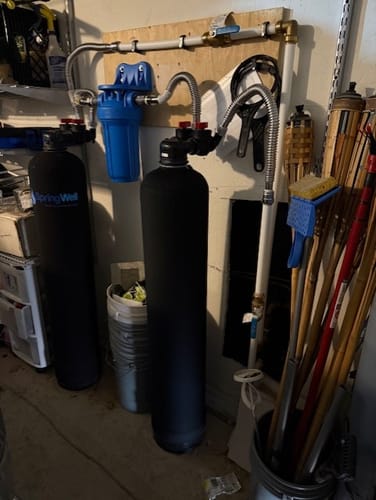
After six months of operation, I've conducted extensive testing to evaluate the Iron Master's real-world performance under various conditions. My testing approach combined both quantitative measurements and qualitative observations to build a complete performance picture.
Iron removal effectiveness has been consistently excellent. Using calibrated test strips and a digital colorimeter, I measure pre-treatment iron levels at 4.1-4.3 PPM and post-treatment levels consistently below 0.1 PPM. This represents a 97% removal rate, which matches the manufacturer's specifications for this iron concentration.
The air injection oxidation process works exactly as designed. I can observe the oxidation happening in real-time – clear water entering the system becomes slightly cloudy as ferrous iron converts to ferric particles, then emerges crystal clear after filtration through the Katalox media. The whole process takes about 30 seconds of contact time.
Flow rate performance meets our household demands effectively. I measured 11.2 GPM flow rate at the system outlet during peak usage periods – well within the 12 GPM specification. More importantly, I haven't noticed pressure drops during simultaneous water usage (shower plus dishwasher, for example).
Seasonal variations in our well water haven't affected system performance. During dry periods when our iron levels increase slightly (up to 4.7 PPM), the system continues removing iron to below detectable levels. The Katalox media's oxidation capacity seems to have adequate reserve for these variations.
The taste and odor improvements have been dramatic. The metallic flavor that plagued our drinking water for years disappeared within 24 hours of system startup. Coffee and tea now taste clean and fresh. Even cooking with treated water produces noticeably better results – pasta water doesn't have that metallic tinge anymore.
Appliance protection benefits became evident within the first month. Our dishwasher stopped producing spotty glassware, and the interior stainless steel surfaces that were developing brown stains are now pristine. The water heater's performance improved noticeably – recovery time shortened, and we eliminated the sulfur smell that developed when iron bacteria fed on iron sediment.
Laundry improvements exceeded my expectations. White clothing regained its brightness within a few wash cycles, and new white items stay white. Fabric texture feels noticeably softer and cleaner. We've eliminated the need for special rust-removing laundry additives that we relied on previously.
Fixture staining has stopped completely. The orange and brown deposits that required weekly scrubbing are gone. New stains simply don't form, and existing stains gradually faded as residual iron deposits were cleaned away. Our bathroom fixtures look years newer.
Water pressure consistency has been excellent. Unlike some filtration systems that show pressure drops as media becomes loaded, the Iron Master maintains consistent pressure throughout its operating cycle. The air-assisted backwash keeps the media bed properly cleaned and fluffized.
pH levels remain stable throughout treatment. Our well water's pH of 7.2 doesn't change measurably after iron filtration, which is important for maintaining water chemistry balance and preventing corrosion in downstream plumbing.
Real-World Daily Living Improvements
The most meaningful test of any water treatment system isn't laboratory measurements – it's how it impacts daily life. After six months with the Iron Master, the improvements have transformed our relationship with our home's water supply.
Morning routines became more enjoyable. My wife mentioned within the first week that her hair felt softer and more manageable after shampooing. Without iron buildup, hair rinses cleaner and styling products work more effectively. Skin feels less dry and irritated, particularly during winter months when iron-laden water was especially harsh.
Kitchen activities improved dramatically. Cooking pasta or rice no longer produces that metallic aftertaste. Ice cubes from our refrigerator dispenser are crystal clear instead of having that slight brown tinge. Even simple tasks like washing dishes became more effective – soap lathers better without iron interference.
Our morning coffee ritual was completely transformed.
As someone who takes coffee seriously, the difference was night and day. The brew extracts cleanly without metallic interference, allowing the actual coffee flavors to shine through. We stopped buying bottled water for coffee making, saving about $30 monthly.
Housekeeping became significantly easier. Cleaning bathrooms went from weekly intensive scrubbing sessions to simple routine maintenance. The orange ring around toilet bowls disappeared permanently. Shower walls stay cleaner longer, and standard bathroom cleaners are now effective instead of requiring specialized rust removers.
Unexpected benefits emerged over time. Our houseplants responded positively to iron-free water – leaves became more vibrant and growth improved. Aquarium maintenance became easier because iron wasn't promoting unwanted algae growth. Even our pets seemed to drink more water, suggesting improved palatability.
Guests consistently comment on our water quality now. Several visitors have asked about our water source, assuming we have city water rather than well water. This external validation confirms that the improvements are objectively noticeable, not just our subjective perception.
Energy efficiency improvements were measurable. Our water heater operates more efficiently without iron sediment accumulation. Monthly electric bills decreased by approximately $15-20, partially offsetting the system's operating costs. The water heater's recovery time improved noticeably during high-demand periods.
Appliance longevity appears to be improving. Our dishwasher's spray arms stay cleaner, and the interior surfaces maintain their original appearance. The washing machine's performance is more consistent, and we've eliminated the fabric softener we used to combat iron-related stiffness.
Operating Costs and Long-Term Value Analysis
Understanding the true cost of ownership was crucial for evaluating whether the Iron Master represents good value. After tracking expenses for six months, I can provide realistic projections for long-term operational costs.
Electrical consumption is minimal. The system's control head uses approximately 7 watts continuously, plus motor power during regeneration cycles. Monthly electrical costs average $3-4, which is negligible compared to other household appliances. The timer operation is precise and doesn't waste energy on unnecessary cycles.
Water consumption for regeneration is the primary ongoing cost. Each backwash cycle uses 150-200 gallons over 45 minutes. With regeneration every three days, monthly water consumption for system operation is approximately 1,500-2,000 gallons. At our local water rates (we pay for septic pumping), this costs about $12-15 monthly.
Media replacement represents the largest long-term expense. Katalox media typically lasts 8-12 years depending on iron levels and water volume processed. Replacement costs approximately $400-500 including shipping. Amortized over 10 years, this adds about $4 monthly to operating costs.
Maintenance requirements are minimal but important. Annual system inspection and cleaning takes about 2 hours of my time. Professional service calls aren't necessary unless problems develop. The control head has an excellent reliability reputation, reducing service needs.
Cost savings offset operational expenses significantly. We eliminated monthly bottled water purchases ($40), reduced cleaning product usage ($15), and decreased water heater energy consumption ($18). Net monthly savings of approximately $50-60 mean the system pays for its operation and contributes to equipment cost recovery.
Appliance protection value is harder to quantify but potentially substantial. Preventing iron damage to water heater, dishwasher, washing machine, and plumbing fixtures could save thousands in premature replacement costs over the system's lifespan.
Return on investment calculations are favorable. With purchase price, installation materials, and setup costs totaling approximately $2,800, the monthly net savings suggest payback within 4-5 years. Considering the system's expected 15-20 year lifespan, long-term value is excellent.
Comparing to alternative solutions reinforces the value proposition. Chlorine injection systems require ongoing chemical costs of $30-50 monthly. Greensand filters need potassium permanganate regeneration costing $20-30 monthly. Water delivery services would cost $150+ monthly for our household size.
Maintenance Experience and Long-Term Ownership
Six months of ownership has given me insight into the Iron Master's maintenance requirements and long-term ownership characteristics. The system is designed for minimal maintenance, but understanding what's involved helps set realistic expectations.
Daily operation is completely automatic. The system requires no daily attention or monitoring. The digital display shows current operating status, and programming changes aren't necessary once properly configured. Water quality remains consistently excellent without manual intervention.
Monthly visual inspections take about 10 minutes. I check for leaks around connections, verify proper drain flow during regeneration cycles, and monitor the digital display for any error codes. The system's self-diagnostic capabilities alert to potential problems before they affect water quality.
Quarterly detailed inspections are more thorough. I test treated water iron levels using test strips, clean the air injection venturi if needed, and verify programming settings haven't been accidentally changed. The venturi cleaning takes 15 minutes and ensures proper air draw rates.
Annual maintenance involves sanitizing the system and checking all mechanical components. I follow the manufacturer's sanitization procedure using unscented household bleach to eliminate any potential bacterial growth. This process takes about 2 hours and ensures continued safe operation.
The Katalox media shows no signs of degradation or channeling. Unlike some filtration media that develop flow channels or break down over time, Katalox maintains its structural integrity and filtration effectiveness. The air-assisted backwash keeps the media bed properly fluffized and prevents compaction.
System reliability has been excellent. No service calls or repairs have been necessary. The control head operates precisely, and the timer accuracy maintains proper regeneration scheduling. Build quality appears designed for many years of reliable operation.
Seasonal adjustments haven't been necessary. Despite variations in our well water's iron content throughout the year, the system's programming continues providing excellent results. The Katalox media's capacity handles seasonal fluctuations without requiring different operating parameters.
Documentation and support resources are comprehensive. The manufacturer provides detailed technical manuals, troubleshooting guides, and responsive customer support. Online resources include video tutorials for maintenance procedures and programming adjustments.






