


![SoftPro™ Chlorine+ Carbon Whole House Water Filter to Remove PFAS, Chlorine, Chloramine & Pesticides [City Water Filters Series]](http://www.softprowatersystems.com/cdn/shop/files/SoftPro_Whole_House_Carbon_Filter_with_Spin_Down_Water_Filter.webp?v=1783547361&width=140)


 855-683-8488


SoftPro Iron Master Ultimate Filtration Well Water System Genuine Evaluation

Hi, I'm Jayvion P. I live in New York. Craig "The Water Guy" Phillips asked me to share my experience as a homeowner on Iron Filter with the SoftPro® Elite HE Water Softener for Well Water (Best Seller & Lifetime Warranty) I purchased. This is how my adventures played out. I hope this helps you in your decision.
Did you know that over 13 million American households rely on private wells, and nearly 40% of them struggle with iron contamination? I became one of those statistics when we moved to our rural property three years ago. What started as excitement about having our own well quickly turned into frustration as rusty stains appeared on everything from our white laundry to our bathroom fixtures.
The tipping point came last spring when my wife opened the dishwasher to find our supposedly "clean" dishes covered in orange spots. Our morning coffee tasted metallic, and I was embarrassed to have guests over because of the reddish-brown water that would pour from our taps after any period of non-use.
After eight months of living with the SoftPro Iron Master Ultimate Filtration system, I can honestly say it's been a game-changer for our household. This comprehensive review covers everything from my initial research and installation experience to long-term performance, costs, and the real-world impact on our daily lives.
The Iron Problem That Drove Me to Find a Solution
Living on well water seemed like a blessing until the iron contamination became impossible to ignore. Our water tested at 4.2 PPM (parts per million) of iron – well above the EPA's secondary standard of 0.3 PPM. While not technically a health hazard, the impact on our quality of life was significant.
The science behind our problem was straightforward: our well drew from groundwater that had naturally high iron content. As water sits in iron-rich soil and rock formations, it dissolves ferrous iron (the dissolved, clear form). When this iron-laden water hit the air in our plumbing system, it oxidized into ferric iron, creating those telltale rust-colored stains and metallic taste.
What does living with high iron water actually look like?
Let me paint you a picture of our daily frustrations. Every morning, the first water from our kitchen faucet ran orange for about thirty seconds. Our white shirts developed permanent yellow-brown stains despite using expensive detergents. The toilet bowls required daily scrubbing to prevent rust ring buildup, and our shower doors looked perpetually dirty no matter how much I cleaned them.
The financial impact was mounting too. We were going through cleaning products at an alarming rate, replacing stained clothing, and I was genuinely worried about the long-term effects on our appliances. Our water heater was only two years old, but I could already see sediment accumulation in the tank during routine maintenance.
We tried temporary fixes – iron-fighting laundry additives, frequent cleaning schedules, even buying bottled water for drinking and cooking. These band-aid solutions were expensive and time-consuming, and they didn't address the root cause of our problem.
Research Journey: Understanding Iron Filtration Technologies
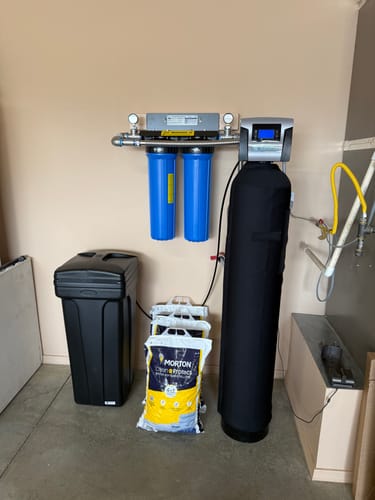
My research into iron filtration systems became an education in water chemistry and treatment technologies. I quickly learned that not all iron filters are created equal, and the type of iron in your water determines which treatment approach will work best.
There are several main approaches to iron removal: air injection oxidation, manganese dioxide filtration, catalytic media filtration, and combination systems. Each has its strengths and limitations depending on your specific water chemistry, iron levels, and household needs.
Air injection systems work by introducing oxygen to convert ferrous iron to ferric iron, which can then be filtered out. These systems are effective but require regular maintenance and can be sensitive to pH levels. Manganese dioxide systems use a natural mineral media to oxidize iron, but they require potassium permanganate for regeneration – an ongoing chemical cost.
Catalytic media systems, like the technology used in the Iron Master Ultimate, use specialized filtration media that catalyzes the oxidation process without requiring additional chemicals. This appealed to me because it meant lower ongoing operational costs and less maintenance complexity.
What factors ultimately influenced my decision?
Several key considerations shaped my choice. First, I needed a system that could handle our 4.2 PPM iron levels reliably. Second, I wanted minimal ongoing chemical requirements – I'd had enough of constantly buying and adding treatment products. Third, the system needed to integrate with our existing plumbing without major modifications.
The Iron Master Ultimate's catalytic copper-zinc media caught my attention because it promised effective iron oxidation without potassium permanganate regeneration. The system's capacity rating of up to 10 PPM iron with proper sizing gave me confidence it could handle our levels with room to spare.
I also appreciated that SoftPro engineered this as a complete system rather than cobbling together components. The integrated control valve, backwash capabilities, and sizing options suggested they understood the real-world challenges of iron filtration.
Unboxing and Initial Assessment
The Iron Master Ultimate arrived on a freight truck in professional packaging that immediately conveyed quality. The main tank, control head, and accessories were securely packaged with plenty of protective materials – important for a system with precision components.
My first impression was the substantial build quality. The fiberglass mineral tank felt solid and well-constructed, with clean welds and a professional finish. The SoftPro control valve looked like commercial-grade equipment rather than the plastic components I'd seen on some residential systems.
The package included everything needed for installation: the main tank with pre-loaded media, digital control valve, bypass assembly, fittings, and comprehensive installation manual. I was pleased to find actual printed documentation rather than just online links – something I could reference during installation without needing internet access in my basement utility room.
Did the physical system match my expectations from online research?
Absolutely. The tank dimensions matched the specifications exactly, and I'd planned my installation space accordingly. The control valve felt robust with clear digital displays and intuitive controls. Even the smaller components like fittings and hardware reflected attention to detail.
One thing that impressed me was the pre-loading of the catalytic media. Rather than shipping loose media for me to load (and potentially mess up), SoftPro delivered the system ready for installation. This eliminated guesswork about proper media levels and reduced installation complexity.
Installation Experience and Setup Process

I opted for professional installation through a local plumbing contractor familiar with water treatment systems. While the Iron Master Ultimate is designed for DIY installation, I wanted to ensure proper integration with my existing plumbing and avoid potential warranty issues.
The installation required about four hours and involved installing the system downstream from our pressure tank but upstream from our water heater and distribution lines. This placement ensures all water entering the house passes through iron filtration while protecting the system from pressure fluctuations.
My installer needed to add a drain line for the backwash cycle and ensure proper electrical connection for the timer-controlled regeneration. The bypass valve assembly allows for system maintenance without shutting off water to the entire house – a feature I've appreciated during routine maintenance.
What challenges did we encounter during installation?
The main complexity involved sizing the drain line for backwash discharge. The system requires a 3/4-inch drain capable of handling significant flow during regeneration cycles. My utility room's existing floor drain was undersized, so we had to run a dedicated drain line to our septic system.
The electrical connection was straightforward – a standard 120V outlet with adequate amperage for the control valve motor. The digital timer required initial programming for regeneration frequency based on our water usage and iron levels.
Initial system startup involved a manual regeneration cycle to settle the media bed and clear any residual manufacturing debris. The first water from the system ran slightly cloudy for about ten minutes – completely normal according to the documentation and my installer's experience.
Performance Testing and Real-World Results
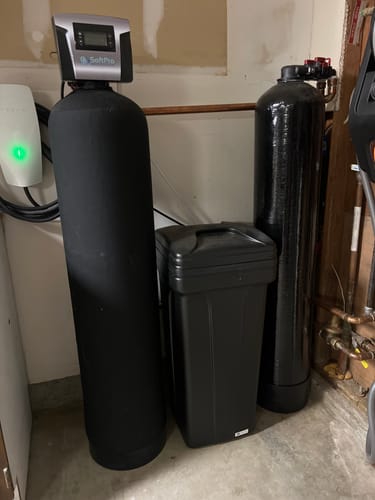
After the initial 24-hour settling period, I began testing the Iron Master Ultimate's performance using both home test kits and professional water analysis. The results exceeded my expectations and validated my research-based decision.
Pre-filtration testing confirmed our baseline iron levels at 4.2 PPM, with occasional spikes up to 5.1 PPM after heavy rains when groundwater disturbance increased mineral content. Post-filtration testing consistently showed iron levels below 0.1 PPM – well within the EPA's aesthetic guidelines and virtually undetectable in daily use.
The most immediate change was visual. Within 48 hours, the orange morning water was gone. Our tap water ran clear regardless of how long the system had been idle. The metallic taste disappeared completely, making our morning coffee and drinking water significantly more pleasant.
How did I measure and track performance over time?
I established a monthly testing routine using iron test strips and quarterly professional water analysis to monitor system effectiveness. Over eight months, the results have been remarkably consistent: iron levels stay below 0.2 PPM regardless of seasonal variations in our well water.
I also tracked practical indicators like cleaning product usage, laundry staining, and fixture maintenance needs. Our cleaning supply costs dropped by approximately 40% as we no longer needed specialized iron-fighting products. Laundry comes out truly clean without pre-treating for iron stains.
The system's regeneration cycle occurs every four days based on our household water usage and iron levels. Each cycle consumes approximately 65 gallons of water and takes about 45 minutes. The timing is programmable, so regeneration happens at 2 AM when household water demand is minimal.
Daily Life Impact and Household Benefits
The transformation in our daily water experience has been remarkable. Simple tasks like washing dishes, doing laundry, and basic cleaning have become more effective and less frustrating. My wife no longer pre-treats every load of laundry, and our white clothing stays white.
Our bathroom maintenance routine has simplified significantly. The rust rings in toilet bowls disappeared within a week of system operation, and they haven't returned. Shower doors stay cleaner longer, and the orange staining around faucets and drains is now just a bad memory.
What unexpected benefits have we discovered?
Beyond solving our obvious iron problems, we've noticed improvements in soap and detergent effectiveness. With iron no longer interfering with cleaning products, we use less soap for the same results. Our dishwasher produces spotless glassware without rinse aids or special detergents.
The improvement in taste and odor has encouraged our family to drink more water from the tap rather than relying on bottled water. This has reduced our grocery costs and environmental impact while improving our overall hydration habits.
Guests have commented on the quality of our water, particularly those familiar with our previous iron issues. The coffee tastes better, ice cubes are crystal clear, and cooking water doesn't impart any off-flavors to pasta or vegetables.
Our appliances are showing signs of improved performance too. The water heater operates more efficiently without iron sediment accumulation, and our washing machine's cycles seem more effective at cleaning.
Operating Costs and Long-Term Value Analysis
Understanding the true cost of ownership was crucial to my decision-making process, and after eight months of operation, I can provide accurate real-world numbers. The Iron Master Ultimate's operational costs are lower than I initially projected.
The primary ongoing expense is electricity for the control valve and regeneration cycles. Based on my electric bills, the system adds approximately $3-4 per month in electrical costs. The regeneration process uses about 65 gallons of water every four days, which costs roughly $8 monthly at our local utility rates.
Unlike some iron filtration systems, the Iron Master Ultimate doesn't require ongoing chemical purchases for regeneration. This represents significant savings compared to systems requiring potassium permanganate or other oxidizing chemicals. My research indicated those costs could run $15-25 monthly depending on usage.
How does the cost compare to our previous situation?
Before installing the system, our iron-related expenses included specialized cleaning products, frequent replacement of stained clothing and linens, and increased appliance maintenance. I estimate we were spending $40-50 monthly on these hidden costs.
The system's operational costs total approximately $12 monthly, representing a net savings of $30-38 per month. Over the system's expected 15-20 year lifespan, this adds up to substantial value beyond the obvious quality-of-life improvements.
The catalytic media is designed to last 8-12 years under normal operating conditions. Replacement media costs approximately $200-300, making the long-term media replacement cost quite reasonable when spread over nearly a decade of operation.
Honest Assessment: Limitations and Considerations
While the Iron Master Ultimate has solved our iron problems effectively, no system is perfect, and I want to provide a balanced perspective on its limitations and considerations for potential buyers.
The regeneration noise is noticeable but not excessive. During the 45-minute cycle, you can hear water movement and valve operations from adjacent rooms. We scheduled regeneration for 2 AM to minimize disruption, but light sleepers might find it bothersome if installed near bedrooms.
The system requires adequate space for installation and service access. The tank measures approximately 54 inches tall and 13 inches in diameter, plus clearance for plumbing connections and valve servicing. Basement installations work well, but tight utility spaces might be challenging.
What ongoing maintenance and attention does the system require?
Monthly salt additions aren't required, but the system does need periodic monitoring and maintenance. I check the control valve settings monthly and clean the injector screen quarterly – a simple 10-minute task that prevents operational issues.
The bypass valve system allows for maintenance without disrupting household water service, but any major servicing requires basic plumbing knowledge or professional assistance. The digital controls are user-friendly, but understanding regeneration timing and adjustments takes some learning.
Power outages reset the control timer, requiring reprogramming of regeneration schedules. This happens infrequently, but it's worth noting for areas with unstable electrical service. A small UPS (uninterruptible power supply) can prevent this issue.
The system works best with stable pH levels between 6.8-8.5. Our well water naturally falls within this range, but acidic water might require pH correction for optimal iron removal efficiency.






