


![SoftPro™ Chlorine+ Carbon Whole House Water Filter to Remove PFAS, Chlorine, Chloramine & Pesticides [City Water Filters Series]](http://www.softprowatersystems.com/cdn/shop/files/SoftPro_Whole_House_Carbon_Filter_with_Spin_Down_Water_Filter.webp?v=1783547361&width=140)


 855-683-8488


Iron Water Test Results Before Buying a Filter: What Each Number Means for the Right Filter Selection

When you look at your iron test results, every number points to a specific solution. Below 3 ppm usually means dissolved ferrous iron—invisible but problematic. Above 3 ppm signals ferric iron, causing those reddish-brown stains. But pH levels, manganese readings, and iron bacteria can completely change which filter you need. One number rarely tells the whole story. Stick with us, and we'll break down exactly what each result means for choosing the right system.
Key Takeaways
- Iron below 3 ppm indicates dissolved ferrous iron, requiring oxidation-based filtration before standard filtering can work effectively.
- Iron above 3 ppm signals ferric iron, producing reddish-brown stains and requiring more advanced or multi-stage filtration systems.
- Manganese readings at or above 0.02 mg/L cause black staining, often necessitating dual-filtration beyond standard iron removal systems.
- pH below 6.8 reduces filter effectiveness and increases corrosion risk, requiring filters specifically designed to handle acidic conditions.
- Visible slimy deposits alongside iron readings indicate iron bacteria, demanding dedicated treatment targeting both the bacteria and iron simultaneously.
What Iron Test Numbers Actually Tell You?

When you get your iron test results back, what do those numbers actually mean for your home's water quality?
Iron concentration is measured in parts per million (ppm), and that single number tells you more than you'd expect. Below 3 ppm, you're likely dealing with ferrous iron—clear water iron that's dissolved and invisible. Above 3 ppm, ferric iron takes over, leaving those unmistakable reddish-brown stains.
Below 3 ppm means invisible ferrous iron. Above 3 ppm means visible stains. One number, two completely different problems.
But here's what most people miss: if your water has a slimy orange texture, that's iron bacteria—an entirely different problem requiring a completely different treatment approach.
Each type demands its own filtration strategy, so knowing exactly which form of iron you're dealing with prevents costly mistakes before you ever purchase a filter.
Which Iron Test Numbers Determine Your Filter Type?
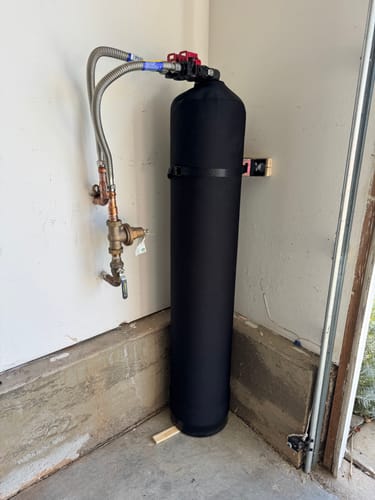
So how do those iron test numbers actually point you toward the right filter? Let's break it down.
If your clear water iron reads above 0.3 mg/L, you'll need specialized filtration to prevent staining and taste problems.
Push past 1 ppm of ferric iron—that reddish discoloration—and you're looking at air injection systems or oxidized-iron-specific filters.
Hit 3 ppm with visible slime buildup? That signals iron bacteria, demanding a dedicated filtration system entirely.
Don't overlook manganese either. At ≥0.02 mg/L, standard iron filters often fall short, requiring additional treatment solutions.
And if your pH drops below 6.8, corrosion becomes a real threat, meaning your chosen filter must handle those acidic conditions effectively.
Each number narrows your options precisely.
How pH, Manganese, and Sulfur Complicate Your Iron Results
Your iron test results don't tell the whole story on their own. pH, manganese, and sulfur can each quietly sabotage a filtration system that looks perfectly matched to your iron levels on paper.
If your pH drops below 6.8, your filter loses effectiveness and your plumbing starts corroding. Manganese above 0.02 mg/L creates black staining and demands a dual-filtration approach. Hydrogen sulfide won't even appear on a standard iron test—you'll need specialized onsite testing to catch it.
Iron bacteria add another layer, producing slimy deposits that overwhelm conventional removal systems entirely.
We recommend treating these variables as non-negotiables before selecting any filter. Skipping this evaluation means choosing equipment based on incomplete data—and that's a costly mistake you won't notice until it's too late.
What Your Iron Level Reveals About Treatment Complexity
Not all iron is created equal, and that distinction matters more than the number on your test report. Clear water iron hides in solution, requiring oxidation before filtration can even work.
Red water iron shows up visibly but responds well to standard filtration. Iron bacteria? That's a different problem entirely—requiring specialized treatment targeting both contamination and iron simultaneously.
Then there's concentration. Once levels exceed 3 ppm, you're typically looking at chemical injection or multi-stage filtration rather than a single-unit fix.
We've seen homeowners buy undersized systems because they focused only on the number without understanding what type of iron they're dealing with.
Your iron level reveals complexity, not just quantity. Knowing the difference between these categories transforms your buying decision from guesswork into precision.
How to Identify Iron Type and Severity on Your Lab Report
Once you know iron type matters, the next step is learning to spot it on the report in front of you.
Ferrous iron won't show up visually in your sample, but your lab will flag it numerically. Ferric iron, however, leaves a trail—rust stains on fixtures and laundry tell you it's already oxidizing.
Your report may also reference iron bacteria, which require separate confirmation testing before you choose a treatment path.
Look closely at your mg/L reading. Anything above 3 mg/L signals you're beyond basic filtration territory.
Also check your manganese and pH values—they're listed on the same report and directly affect which filtration system will actually work for your specific contamination profile.
Frequently Asked Questions
What Is a Good Water Filter Number?
We're looking for iron levels below 0.3 ppm—that's our sweet spot for safe, clean water. Staying under this threshold helps us avoid staining, taste issues, and plumbing headaches without needing advanced filtration systems.
Is 20 Gpg Hard Water?
Yes, 20 gpg is extremely hard water. We're talking serious mineral buildup that'll wreck your appliances, clog pipes, and leave stubborn soap scum everywhere. You'll definitely need a high-capacity softener to tackle it.
Which Is Better, a 5 or 10 Micron Filter?
We recommend a 5-micron filter for iron-heavy water—it captures finer sediment and particulate iron, protecting your treatment system downstream. A 10-micron filter flows faster but misses contaminants that'll compromise your water quality long-term.
What Is the Best Water Filter for Iron?
We recommend filters using Katalox Light media—they tackle ferrous and ferric iron plus iron bacteria. For iron levels above 3 ppm, we'd pair that with an air injection system for superior, long-lasting results.






