


![SoftPro Chlorine+ Carbon Whole House Water Filter to Remove PFAS, Chlorine, Chloramine & Pesticides [City Water Filters Series]](http://www.softprowatersystems.com/cdn/shop/files/SoftPro_Whole_House_Carbon_Filter_with_Spin_Down_Water_Filter.webp?v=1780515157&width=140)
![SoftPro Iron Filter - Iron Master AIO - Best Iron Filter for Well Water [Air Injected Water Filter / Katalox]](http://www.softprowatersystems.com/cdn/shop/files/SoftPro_AIO_Iron_Master_Iron_Filter_Main.webp?v=1772123747&width=140)


 855-683-8488


Is Iron in Your Well Water Actually Harmful to Your Long-Term Health? The Real Answer

Iron in well water isn't typically life-threatening, but it's not harmless either. It can cause skin and hair irritation, metallic-tasting water, and it creates the perfect environment for iron bacteria, which can harbor dangerous pathogens. The EPA flags anything above 0.3 mg/L as a problem worth addressing. We shouldn't wait for visible staining or strange flavors to take action. Stick with us, because what you discover next might change how you think about your water.
Key Takeaways
- Iron in well water above 0.3 mg/L primarily causes aesthetic issues like staining and metallic taste rather than direct toxic harm.
- Iron bacteria thriving in iron-rich water can form biofilms that potentially harbor dangerous pathogens, posing indirect health risks.
- High iron levels may cause skin irritation, hair problems, and negatively affect the taste of food and beverages.
- Regular testing every five years helps monitor iron concentrations before cosmetic problems escalate into serious health concerns.
- Consulting water treatment professionals ensures iron stays below EPA limits, protecting long-term family health and safety.
Where Does Iron in Well Water Actually Come From?

When rain or snow seeps into the ground, it picks up minerals from the soil and carries them straight into your water source — and iron is one of the most common hitchhikers.
But natural seepage isn't the only culprit. Your well's own infrastructure may be working against you. Iron casings and pipes corrode over time, introducing rust directly into your water supply. The longer your system's been exposed to moisture, the worse this gets.
And it doesn't stop there — underground minerals interact with groundwater constantly, releasing iron through processes most homeowners never consider.
Here's what this means for you: the condition and design of your well infrastructure directly determines how much iron you're drinking. It's not just an environmental issue — it's a structural one.
Is Iron in Well Water Bad for Your Health?
But push past that threshold, and things get complicated.
Push past that threshold, and everything changes — fast.
You'll notice discoloration, metallic tastes, and skin or hair irritation first. More concerning, though, is iron bacteria — microorganisms that thrive in iron-rich water and form biofilms capable of harboring genuinely dangerous pathogens.
That's why regular well water testing isn't optional — it's essential.
Knowing your iron levels gives you the control to act before cosmetic annoyances become actual health risks.
How Do You Test Your Well Water for Iron?
So how do we actually know what's lurking in our well water? The first clue is visual—yellow or red-tinted water signals potential iron contamination worth investigating further.
But visible signs aren't enough for precise answers. For accurate iron quantification, we need laboratory testing through an accredited facility. These tests pinpoint exact concentrations, which matters because anything above 0.3 mg/L triggers aesthetic problems like staining and that metallic taste we all want to avoid.
Experts recommend testing private water sources every five years, though visible warning signs should prompt testing sooner.
Here's the real advantage—comprehensive well water testing doesn't just identify iron. It screens for multiple contaminants simultaneously, giving us a complete picture of what we're actually drinking.
What Does High Iron in Well Water Do to Your Home?
High iron levels don't just affect what we drink—they wage a slow war on our entire home. Those reddish-brown stains creeping across sinks, toilets, and laundry? That's iron oxidizing on contact with surfaces, and it's notoriously stubborn to remove.
But staining is just the beginning.
Inside our pipes, iron deposits accumulate steadily, narrowing passageways until blockages form and repair bills arrive. Our appliances—washing machines, dishwashers—quietly collect rust and mineral buildup, accelerating wear we won't notice until something breaks.
Even our food and coffee absorb that metallic tang, subtly degrading every meal we prepare.
High iron doesn't announce itself dramatically. It erodes our home's integrity gradually, expensively, and persistently—which is exactly why catching it early matters so much.
How Do You Remove Iron From Well Water?
Once we comprehend the damage iron inflicts on our homes, the obvious next question is: what do we actually do about it?
First, we need to identify which iron form we're dealing with — ferric (visible rust) or ferrous (clear, dissolved). That distinction determines everything.
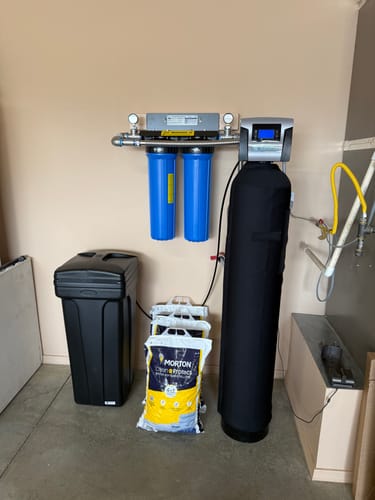
From there, our treatment options include water softeners, oxidizing filters, and reverse osmosis systems.
One particularly effective approach? Aeration followed by filtration — it converts soluble ferrous iron into insoluble ferric iron, which filters out easily.
But here's what many homeowners overlook: treatment isn't a one-time fix.
We need regular testing to confirm iron stays below the EPA's 0.3 mg/L limit.
When in doubt, consulting a water treatment professional guarantees we're not guessing with our family's health.
Frequently Asked Questions
Is Well Water With Iron in It Bad for You?
Well water with iron isn't typically bad for you—it's actually an essential nutrient. While high levels cause unpleasant tastes and aesthetic issues, they rarely pose serious long-term health risks worth worrying about.
How to Remove Iron From Well Water Naturally?
We can remove iron from well water naturally through aeration, sediment filtration, biological filters using iron bacteria, or lime treatments to adjust pH—each method promotes precipitation or filtration, effectively reducing iron concentrations in your supply.
What Are the Symptoms of Too Much Iron in Well Water?
We'll notice metallic-tasting water, skin irritation, hair brittleness, and discoloration in food and beverages. Iron bacteria can also create harmful biofilms, while fixtures and laundry develop stubborn reddish-brown stains signaling excessive iron levels.
Why Does My Well Water Have so Much Iron in It?
Your well water's iron comes from rainwater seeping through iron-rich soil into your well, corroding pipes, or tapping deep underground sources where ferrous iron naturally dissolves—it's a combination of geology and infrastructure working against you.



