


![SoftPro™ Chlorine+ Carbon Whole House Water Filter to Remove PFAS, Chlorine, Chloramine & Pesticides [City Water Filters Series]](http://www.softprowatersystems.com/cdn/shop/files/SoftPro_Whole_House_Carbon_Filter_with_Spin_Down_Water_Filter.webp?v=1783547361&width=140)


 855-683-8488


Is Your Well Water Costing You More Than You Think? The Iron Factor

If your well water has an iron problem, it's costing you more than you'd expect. Even levels as low as 0.3 parts per million stain fixtures, wreck laundry, and clog pipes with bacteria-laden biofilm. Over time, repairs and specialized filtration can run anywhere from $600 to $5,000. Most homeowners never connect these expenses to iron until the damage is done. Stick with us, and we'll show you exactly what's happening inside your system.
Key Takeaways
- Iron levels above 0.3 ppm cause staining, plumbing damage, and appliance wear, silently driving up household maintenance costs.
- Iron bacteria form biofilms in pipes, reducing water flow and increasing energy consumption and repair expenses over time.
- Emergency repairs and specialized iron filtration systems can cost between $600 and $5,000, depending on contamination severity.
- Annual water testing, costing $20–$100, helps identify iron issues early, preventing costly long-term damage to plumbing systems.
- Treatment options like oxidation filters, water softeners, and chemical injection systems range from $800 to $5,000 or more.
What Iron Does to Your Well Water System

Iron might seem like a minor nuisance, but it's quietly working against your well water system in ways that add up fast.
It stains your fixtures, ruins your laundry, and leaves your dishware looking dingy—pushing your cleaning efforts and replacement costs higher over time. That metallic taste? It drives people away from the tap and toward expensive filtration alternatives.
Iron doesn't just stain your fixtures—it silently inflates your costs, one ruined load of laundry at a time.
Here's where it gets worse: iron bacteria form biofilms inside your pipes, strangling flow rates and demanding more frequent repairs.
Each problem compounds the next, creating a cycle that drains your wallet steadily. Treating iron contamination requires specialized filtration systems that layer additional costs onto your maintenance budget. The longer you wait, the more expensive the solution becomes.
The Hidden Costs Iron Adds to Well Water Ownership
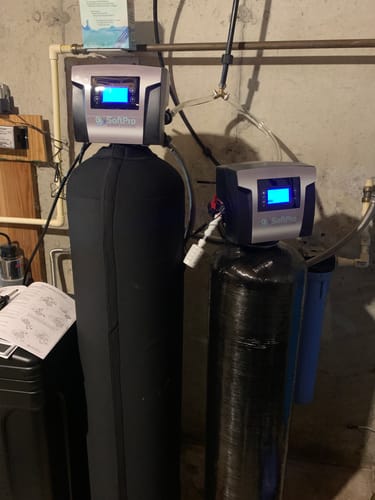
What most well owners don't realize is that the damage iron causes isn't just physical—it's financial, and it compounds quietly over time. Stained fixtures, ruined laundry, and spotted dishes are just the beginning.
Iron bacteria clog pipes and pumps, forcing systems to work harder, driving energy costs up, and accelerating component failure. Replacement parts, emergency repairs, and specialized filtration systems—ranging from $600 to over $5,000—stack up fast.
Then there's the taste and odor problem, often requiring additional treatment layers on top of everything else. Each issue seems manageable in isolation, but together they create a relentless financial drain.
Without routine water testing and proactive treatment, we're effectively letting iron quietly empty our wallets one repair bill at a time.
How to Test Your Well Water for Iron
Knowing exactly how much iron is lurking in your well water starts with a simple test—and it's easier than most of us think. Grab a water testing kit designed specifically for iron detection—they're widely available at home improvement stores and online.
Collect a clean water sample, follow the kit's instructions, and you'll get a reading measured in parts per million (ppm).
Gather your water sample, follow the kit's steps, and get a clear iron reading in parts per million.
Here's the number to watch: the EPA flags anything above 0.3 ppm as potentially problematic, capable of staining fixtures and degrading appliances over time.
We recommend testing at least once a year, though any sudden changes in your water's color, taste, or smell warrant immediate retesting. If iron levels run high, oxidizing filters or water softeners can bring things back under control.
What Your Iron Test Results Actually Mean
Once you've got that number in hand, here's how to make sense of it. The critical threshold is 0.3 ppm—anything above that, and you're looking at potential staining, damaged fixtures, and compromised plumbing.
It doesn't sound like much, but iron's impact compounds quietly over time.
Beyond aesthetics—that metallic taste, the reddish tint—elevated levels often signal something deeper: corroding pipes silently deteriorating inside your walls.
That's where costs accelerate fast.
Here's what makes this tricky: iron levels fluctuate. Seasonal changes, local soil conditions, and shifting water usage patterns mean last year's clean result doesn't guarantee this year's.
Regular retesting isn't optional—it's protective.
And if your results exceed acceptable limits? Treatment systems range from a few hundred to several thousand dollars, depending on complexity.
Well Water Iron Removal Options and What Each Costs
So your results came back above 0.3 ppm—now what? Let's talk solutions and real costs.
Three proven approaches exist:
- Oxidation filtration systems – Most popular choice, running $1,000–$3,000, plus periodic media replacement.
- Water softeners – Effective for moderate iron, costing $800–$2,500+, though high iron levels burn through salt faster.
- Chemical injection systems – Using chlorine or potassium permanganate, these run $1,500–$5,000+ upfront, with ongoing chemical costs.
Here's what surprises most homeowners: that $20–$100 water test we mentioned earlier directly determines which system you actually need.
Skip testing and you risk buying a $2,500 softener when your iron levels demand a $3,000 oxidation system.
Precision matters—both in diagnosis and dollars.
Frequently Asked Questions
What Runs Your Water Bill up the Most?
High iron content drives costs up the most—it forces us to add filtration systems costing $5,000+, triggers frequent pump cycling, and demands annual testing that quietly drains our budget year after year.
What Is the Average Lifespan of a Water Well?
We're looking at 15 to 30 years for a properly maintained well, though some last even longer. The real variable? How well we maintain it—neglect shortens that timeline fast.
Is 3,000 Gallons of Water a Month a Lot?
We'd say 3,000 gallons monthly is actually quite modest — averaging just 100 daily gallons. Most American households consume triple that. For well owners, it's a manageable volume, though iron contamination can quietly inflate your true costs.
What Are the Signs of a Failing Well?
We've seen failing wells show these warning signs: dropping water pressure, cloudy or discolored water, unusual pump sounds, sand or silt appearing, and that telltale metallic taste signaling iron or contaminant buildup.






