


![SoftPro™ Chlorine+ Carbon Whole House Water Filter to Remove PFAS, Chlorine, Chloramine & Pesticides [City Water Filters Series]](http://www.softprowatersystems.com/cdn/shop/files/SoftPro_Whole_House_Carbon_Filter_with_Spin_Down_Water_Filter.webp?v=1783547361&width=140)


 855-683-8488


Low Water Pressure After Iron Filter Installation: When to Backwash vs. When to Replace the Media

If your water pressure dropped after installing an iron filter, a clogged media bed is almost certainly the culprit. Iron particles accumulate over time, restricting flow—especially during peak usage. A 10-20 minute backwash cycle often resolves the problem fast. But if pressure stays low after backwashing, something deeper is going on. Knowing the difference between a media bed that needs cleaning and one that's completely exhausted could save you time, money, and frustration.
Key Takeaways
- A pressure drop of 15 psid or more signals a clogged media bed, making backwashing the immediate recommended first step.
- A 10-20 minute backwash cycle can effectively restore water pressure by clearing accumulated iron from the media bed.
- Persistent low pressure after backwashing suggests deeper issues like compaction, mudballs, or bacterial growth requiring core sampling.
- Contaminant breakthrough, rapid pressure spikes, and repeated backwash failures are strong indicators that media replacement is necessary.
- Media older than 5-10 years that cannot recover pressure through backwashing should be evaluated for full replacement.
Why Your Iron Filter Is Killing Your Water Pressure

When you install an iron filter and suddenly notice a drop in water pressure, the culprit is usually a clogged media bed.
Install an iron filter and notice dropping water pressure? A clogged media bed is almost always to blame.
Iron particles accumulate over time, restricting flow and creating pressure drops—especially during peak usage when your air injection system isn't properly maintained.
Here's what's happening beneath the surface: iron binds to the filter media, gradually choking your system's ability to move water efficiently. You'll feel this most during high-demand periods, when even a partially clogged bed struggles to keep up.
The fix isn't always complicated. Consistent backwashing every 4-14 days—depending on your iron levels—can restore flow.
But if you're ignoring this maintenance window, you're setting yourself up for a pressure problem that only worsens over time.
Signs Your Iron Filter Needs Backwashing, Not Replacement
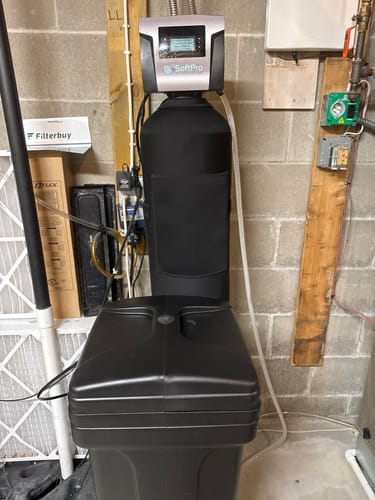
How do you know if your iron filter just needs a good backwash instead of an expensive media replacement? Watch for these specific signals.
A pressure drop of 15 psid or more typically means trapped particulates are clogging the media bed, not exhausting it. Rapid flow rate fluctuations? That's iron buildup calling for backwashing, not a media swap.
If water quality has declined but you haven't backwashed recently, increase your backwash frequency first — every 4-14 days is our recommended range.
Also, listen during the air draw phase; gurgling confirms proper air injection, meaning routine backwashing will restore efficiency.
Before spending money on new media, run a few strategic backwash cycles. Most pressure and quality issues resolve without replacement when you catch them early.
What to Do When Backwashing Fails to Restore Pressure
Sometimes backwashing just doesn't cut it, and that's your cue to dig deeper. If pressure stays low after a couple of cycles, we're likely looking at media bed issues—compaction, mudballs, or bacterial growth that backwashing simply can't fix.
When backwashing fails to restore pressure, the real culprit is likely hiding deeper in the media bed.
Start by inspecting the media bed directly. Core sampling reveals what's hiding beneath the surface, giving us a clearer picture of whether deeper cleaning or full replacement is necessary. If your water's iron content exceeds 3 ppm, increase backwash frequency and duration before drawing conclusions.
Don't overlook the air injection system either. Blocked or failing components disrupt air distribution, compounding pressure problems regardless of how well we backwash.
If the media's between 5–10 years old and nothing's working, replacement isn't just likely—it's inevitable.
How to Tell When Iron Filter Media Is Dead
Knowing your iron filter media has given up the ghost can save you from months of degraded water quality and wasted backwash cycles. Watch for these precise indicators:
| Warning Sign | What It Means |
|---|---|
| Contaminant breakthrough | Media's exhausted, not capturing iron |
| Rapid differential pressure spikes | Internal blockages reducing flow |
| Frequent backwashing failures | Media can't recover between cycles |
Beyond these signals, measure your media depth regularly. Significant erosion beyond normal settling suggests accelerated degradation. We recommend core sampling to detect mudballs or bacterial colonization hiding inside the bed.
Here's the reassuring part: quality iron filter media typically lasts 10–20 years. If you're replacing it sooner, your maintenance protocol or incoming water chemistry deserves a closer look before you invest in new media.
Replace or Backwash: Making the Right Call Fast
Once we've spotted the warning signs that media's failing, the next question hits fast: do we backwash first or go straight to replacement?
Start with backwashing—always. A 10-20 minute backwash cycle clears clogged media beds and can restore pressure without unnecessary cost. If your pressure drop hits 15 psid or more, don't wait; act immediately.
Here's the deciding factor: if backwashing resolves the pressure drop, you've bought more time.
But if you're backwashing more frequently because contaminants are breaking through, or core sampling reveals degradation, replacement isn't optional anymore. Media lasting beyond 3-5 years under poor maintenance rarely rebounds after backwashing.
Rapid differential pressure increases signal internal blockages that no backwash cycle fixes.
Read the data, then commit to the right call.
Frequently Asked Questions
How Often Should I Backwash My Iron Filter?
We recommend backwashing your iron filter every 4-14 days, depending on your water usage and iron content. Staying consistent with this schedule prevents clogging and keeps your system running at peak performance.
How to Fix Low Water Pressure After Installing a Water Filter?
We recommend backwashing your filter every 4-14 days to clear clogged media. If pressure remains low, inspect your air injection system for faults or upgrade to a larger-capacity filter for ideal flow.
What Is the Filter Backwash Rule?
We recommend backwashing your iron filter every 4 to 14 days, with each cycle lasting 10 to 20 minutes. Watch for pressure drops of 15 psid or more—that's your clearest signal it's time.
What Comes First, Rinse or Backwash?
Backwash always comes first. We reverse the water flow to lift and flush out trapped iron particles, then we rinse to clear any remaining debris and restore ideal filter performance.






