


![SoftPro™ Chlorine+ Carbon Whole House Water Filter to Remove PFAS, Chlorine, Chloramine & Pesticides [City Water Filters Series]](http://www.softprowatersystems.com/cdn/shop/files/SoftPro_Whole_House_Carbon_Filter_with_Spin_Down_Water_Filter.webp?v=1783547361&width=140)


 855-683-8488


5 Manganese Dioxide Iron Filter Media Maintenance Mistakes That Are Slowly Killing Your System

The five biggest manganese dioxide iron filter media maintenance mistakes are skipping backwash cycles, replacing media too late, installing components in the wrong order, ignoring oxidized iron and pH imbalances, and deferring maintenance until it snowballs into full system replacement. Each mistake quietly chips away at your system's efficiency, drives up energy costs, and accelerates media degradation. Stick around, because we're breaking down exactly how to spot these mistakes and stop them before they cause serious damage.
Key Takeaways
- Skipping backwash cycles causes compacted media, spikes pressure differentials, and forces your system to work 30% harder than necessary.
- Replacing manganese dioxide media too late triggers staining, metallic-tasting water, and sharp declines in iron and manganese removal efficiency.
- Installing components in the wrong order allows manganese to bypass filtration entirely, rapidly clogging your system and reducing performance.
- pH levels outside 6.5–8.5 accelerate media degradation and allow oxidized iron particles to overwhelm and clog your filtration system.
- Deferring routine maintenance causes cascading failures, ultimately collapsing filtration efficiency and forcing costly full system replacements.
Skipping Backwash Cycles Destroys Manganese Dioxide Filter Media

When we skip backwash cycles, oxidized iron and manganese build up fast, and the filter media pays the price. That buildup doesn't just sit there — it compacts, clogs, and chokes water flow until the system's straining to function.
Skipped backwash cycles let iron and manganese accumulate fast — compacting media, choking flow, and strangling system performance.
Here's what that costs us: pressure differentials spike, forcing the system to work 30% harder and driving energy bills up unnecessarily.
Meanwhile, the media degrades faster than it should, meaning expensive replacements come sooner than planned.
The fix is straightforward — backwash at least every three days, especially in high-iron environments.
That's the threshold that keeps media performing at full capacity and extends its lifespan.
Skipping cycles isn't saving time; it's trading short-term convenience for long-term system failure. We can't afford that trade.
Are You Replacing Manganese Dioxide Media Too Late?
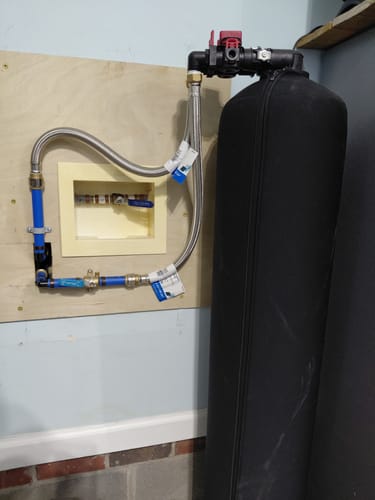
Replacing manganese dioxide media too late is one of the quietest ways a filtration system fails us — and we rarely see it coming until the damage is done.
Beyond the 4-6 year lifespan, efficiency drops sharply, and manganese and iron levels creep back up. We'll notice staining, metallic-tasting water, and rising energy costs — all signs we've waited too long.
Skipping routine inspections and water testing makes it worse, delaying recognition until we're facing costly repairs.
Here's what actually protects us: a firm replacement schedule backed by detailed maintenance records. That simple discipline prevents frequent breakdowns, keeps iron and manganese removal effective, and stops exhausted media from silently undermining everything we've built into our system.
How Wrong Installation Order Breaks Manganese Dioxide Performance
Late replacement quietly kills performance — but even a brand-new media bed fails fast if we've installed our system components in the wrong order. Sequence isn't preference — it's engineering.
| Wrong Order Problem | Consequence |
|---|---|
| Sediment filter placed after manganese dioxide filter | Clogs fast, slashes system efficiency |
| Water softener installed before manganese dioxide filter | Hardness minerals overwhelm iron and manganese removal |
| Reversed component arrangement | Manganese bypasses filtration entirely |
When we ignore correct sequencing — sediment filter first, water softener second, manganese dioxide filter third — we're not just reducing effectiveness. We're accelerating wear, triggering costly repairs, and extending maintenance windows unnecessarily. Every wrong placement compounds the next failure. Getting the order right protects our investment from day one.
How Oxidized Iron and pH Imbalance Poison Your Filter Media
Getting the installation sequence right protects the media bed — but oxidized iron and pH imbalance can poison it from the inside out, even when every component sits in the correct position.
Oxidized iron particles clog manganese dioxide media, slashing flow rates by over 30% and gutting filtration efficiency.
When pH drifts outside the 6.5–8.5 range, iron removal becomes ineffective, and media degradation accelerates — quietly destroying capacity you're counting on.
Here's what most operators miss: excessive iron overwhelms the media completely, forcing costly replacements that proper monitoring would've prevented.
Skipping quarterly water testing for iron levels and pH lets untreated water feed these problems directly into your system.
We can't fix what we don't measure. Test consistently, and you'll catch these threats before they become expensive failures.
Why Ignoring Manganese Dioxide Maintenance Leads to Full Replacement
Most operators don't realize how quickly deferred manganese dioxide maintenance snowballs into a full system replacement.
Skip your backwashing schedule, and you're inviting rapid clogging and channeling that strips the media of its contaminant-removing power. Let pH drift outside 6.5–8.5, and you're actively degrading the media's structure. These aren't isolated problems—they compound fast.
Skipping backwashing doesn't just slow your system down — it destroys its ability to remove contaminants entirely.
Here's what that compounding looks like in practice: oxidized iron and manganese accumulate, filtration efficiency collapses, and suddenly you're facing a complete system overhaul instead of a routine service call.
Delay replacing exhausted media, and your system strains harder, driving energy costs up by 30%. Without documented maintenance schedules, failures catch you off guard, escalating costs and leaving you with prolonged poor water quality.
Prevention is always cheaper than replacement.
Frequently Asked Questions
What Is the Best Media for Manganese Filter?
We recommend manganese dioxide media as the best choice for manganese filtration. It's highly effective, catalyzing dissolved iron and manganese into filterable solids while maintaining peak performance when your water's pH stays between 6.5 and 8.5.
How Can You Troubleshoot Common Issues That May Arise During Filtration Such as Clogging or Slow Filtration Rates?
We'll troubleshoot clogging and slow filtration by monitoring pressure differentials—if it rises over 30%, it's time to backwash. Regularly inspect injectors, test manganese and iron levels, and watch for unusual smells signaling media degradation.
Do Iron Manganese Filters Work?
Yes, they work exceptionally well! We've found that iron manganese filters reliably remove both metals by harnessing manganese dioxide's oxidative power, but only when you're maintaining proper pH levels and keeping up with regular backwashing schedules.
How Long Does a Manganese Filter Last?
Manganese dioxide filter media typically lasts 4 to 6 years, but we've seen poor maintenance and high iron content cut that lifespan dramatically shorter. Stay proactive with backwashing and pH monitoring to maximize yours.






